




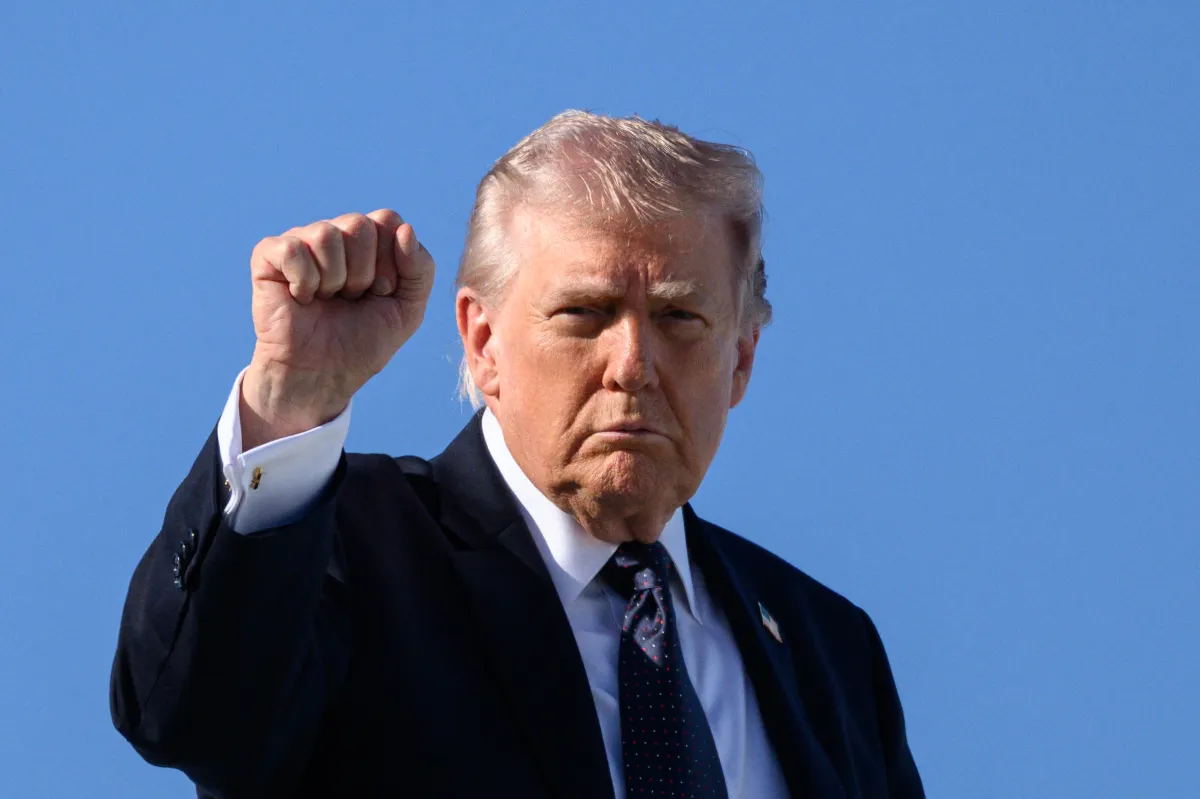
Paragraph 1: The Shadow of Preemptive Strikes and Silent Leadership
Imagine waking up to headlines that feel like scenes from a dystopian thriller: the United States and Israel, in a bold, preemptive move, have struck at Iran’s heart, targeting its leadership in an operation that promised swift justice against a long-standing foe. But what was meant to be a decisive blow has ignited chaos, pulling the region into the vortex of a full-scale war. President Trump, usually so vocal on his platforms, has been eerily quiet off-camera—relying on a couple of stiff, scripted videos and offhand quotes to flustered reporters who caught him on his phone over the weekend. No top aides graced the Sunday talk shows; the Pentagon’s doors stayed locked to the press; even Congress, the people’s representatives, was sidelined, left in the dark like everyone else. The Europeans, our allies in theory, watched from afar, their frustrations mounting. As I sit here, penning this amidst the uncertainty, we’re all holding our breath for Trump’s address at the White House later today. These aren’t just questions— they’re the raw, anxious thoughts shared by millions: What drove this? Why now? And most importantly, how does he plan to navigate us through the storm he’s unleashed? The Iranian regime’s top echelons were decimated—executed, if you will, in a decapitating blow that left their commander in chief vaporized—yet the body politic hasn’t crumbled. Instead, it’s thrashing wildly, firing back with missiles and drones at targets that span the Middle East, from bustling civilian hubs in the Gulf to military outposts far beyond. A drone slipped through defenses to strike a British base in Cyprus, while a U.S. installation in Bahrain absorbed a brutal hit. Even Jerusalem, shielded by its famed Iron Dome, felt the pierce of an Iranian missile, shattering the illusion of invincibility. Airports have shuttered across the region, grounding commerce and hope alike. It’s a retaliation that’s relentless, personal, like a wounded animal lashing out—not just at foes, but at the very fabric of daily life. Deep down, we’re all wondering: how long can Iran keep this up? The CIA’s assessments, pieced together from stockpiles of munitions and the shaky webs of command, suggest a window—maybe weeks, perhaps months—but it’s anyone’s guess when their resolve or resources will falter. In this human tapestry of war, families are displaced, livelihoods erased, and the global clock ticks with dread. If the regime does fall, what follows? A vacuum that births democracy, or a worse tyrant? If it endures, are we staring down years of bloodshed? Trump’s video promised the Iranian people would “take over,” but crouched in our homes, we see no uprising—no crowds flooding the streets even after the snake’s head was severed. Is this just a setup, scapegoating innocents whose dreams of freedom are pinned on our bombs? As the nation grapples with these unknowns, the administration’s mixed messages sting like betrayal, echoing past deceptions.
(Word count: approx. 450)
Paragraph 2: Contradictions, Parallels, and the Ghosts of Wars Past
Diving deeper into the fog of Trump’s communication, it’s hard not to feel manipulated when the White House serves up contradictions like bitter pills. First, they claimed Iran was honing a missile poised to strike the American homeland “soon,” a specter that justified the launch. Then, a backpedal: last year’s strikes had allegedly “obliterated” their nuclear ambitions, leaving them toothless. Flip the page, and Saturday’s narrative shifted to Iran prepping a preemptive assault, painting them as an “imminent threat” demanding action. But confidential briefings to Congress revealed a different truth—Tehran’s plans hinged on Israel striking first, not some unbound aggression. As everyday Americans, scrolling through these flip-flops on our feeds, we’re haunted by deja vu: echoes of Saddam’s “weapons of mass destruction” and the manipulated intelligence that dragged us into Iraq’s quagmire. What do we say to citizens whose trust is frayed, seeing patterns of deception in wartime hype? It’s a personal affront, making us question if this is strategic or just spun fear to rally support. Trump must face these queries head-on, explaining the gaps without evasion, lest we repeat the errors of history. Moreover, the human cost is already mounting, testing our collective pain tolerance. Lives lost—three U.S. troops killed in action, with Trump casually noting the toll could climb “quite a bit higher.” How high? Overnight, three American fighter jets were downed in Kuwait, victims of what seems like friendly fire in the fog of battle. Two civilians perished in Texas amid a lone-wolf attack, tying back to Iranian sympathies and fueling paranoia. In homes across the nation, parents hug their kids tighter, wondering if sleeper cells lurk undetected. Is there concrete evidence of Iranian agents dormant in our midst, ready to activate? What credible threats loom against the homeland—from operatives or sympathizers? How can we, as regular folks, stay vigilant while living normal lives? And for loved ones overseas, what warnings guide their steps in this escalating chaos? This isn’t just policy; it’s the raw vulnerability of families, businesses, and communities peering into an abyss. Vigilance feels overwhelming, yet essential—a shared burden in a war that feels both distant and intimately personal. Trump’s responses could bridge divides or widen them, clarifying our path forward.
(Word count: approx. 400)
Paragraph 3: Echoes of Venezuela and the Hunt for Allies in Enemy Ranks
Drawing parallels to past endeavors, Trump’s team whispers of replicating the Venezuela operation, where sanctioned pressure and targeted actions aimed to oust Maduro. But Iran and Venezuela are worlds apart—culturally, militarily, ideologically—making this analogy feel off-kilter, like forcing a square peg into a round hole. So, who is Iran’s “Delcy Rodríguez”? In Venezuela, she was the fiery diplomat elevated as a credible insider. Here, who steps into that role within Iran’s fractured leadership? We need someone trustworthy, a bridge to prevent the nation from devolving into a blood-soaked civil war as the Islamic Revolutionary Guard Corps (IRGC) clings to fading power. Does such a person exist—a moderate, a pragmatist willing to ally with us against old adversaries? And if they do, how do we vet their loyalty? The veneer of unity in Trump’s assurances masks the brutal reality of betrayal and infighting, where past allies turned foes in the blink of an eye. This asymmetry in motives deepens the unease: Iran views this as existential—a fight for survival—lashing out at everything from luxurious Dubai resorts to Israel’s infrastructure, turning vacations into war zones and homes into targets. We’re engaged in a war of choice, aiming to wrap it up in “four to five weeks,” but their desperate defiance could stretch this into an endless slog. The admin must acknowledge this gap, exploring how to de-escalate without losing momentum. On the munitions front, the math is grim: we’re squandering million-dollar interceptors on $50,000 Shahed drones, like wrecking a Ferrari to halt a jalopy. Sustainability is key—how long before our stockpiles dwindle, forcing painful choices? In human terms, every wasted missile translates to taxpayer dollars, delayed aid elsewhere, and prolonged danger for troops dodging inadequately defended skies. It’s a reminder of war’s inefficiency, where strategy battles budgets and lives hang in the balance.
(Word count: approx. 350)
Paragraph 4: Civilian Horrors, Innocent Blood, and the Heartbreaking Toll
The war’s shadow extends to the most vulnerable: dozens of Iranian schoolgirls perished when a missile struck their campus, nestled on a military base. Was it a tragic misfire from Iranian arsenal, as some claim, or a stray from U.S.-Israeli firepower? Evidence is murky, but the inquiry cuts deep—probe this wrong, and it erodes the moral high ground we’ve staked. These aren’t just numbers; they represent futures stolen, families shattered, dreams deferred in a conflict that was supposed to spare the innocent. Polls reveal 70-80% of Americans baffled about our role in yet another Middle East regime-change gambit, yearning for clarity amidst the noise. What message reaches those skeptics, or Trump’s base who elected him on “no more wars”? How do we safeguard against another quagmire, where initial victories morph into drawn-out nightmares? In our kitchens and living rooms, we debate passionately—friends divided, families fractured by the specter of recurrence. Events feel accelerated, decades compressing into weeks; Trump, eyeing his legacy amidst polarization, sees conquering these foes as his ticket to historical grandeur. Yet, beneath the triumph of vanquishing Khamenei— that villainous architect of decades of turmoil—and celebrating unrivaled U.S.-Israeli might, the core mystery endures: how does this end? As a nation, we’re conflicted, scared, navigating joys of potential peace with fears of escalation. In this human drama, the unknown finale looms large, prompting us to seek anchors in truth and empathy rather than bravado.
(Word count: approx. 300)
Paragraph 5: Legacy, Acceleration, and the Unsettling Tide of Change
This “accelerationist moment,” as some call it, propels us through decades in what feels like years, with Trump’s domestic legacy hobbled by courts, partisanship, and elusive legislative wins. Abroad, confronting Iran repositions American hegemony, etching his name among history’s greats—if it succeeds. But success demands foresight, not just firepower. We’re witnesses to a reckoning, feeling the pull of progress against the undertow of crisis. Khamenei’s demise marks a turning point, a breath of relief mixed with sorrow for the lives claimed. With unmatched U.S. strength paired with Israel’s acumen, victory seems plausible, yet the chaos underscores how fragile peace is. As individuals, we balance awe at human ingenuity—the tech and intelligence freeing oppressed peoples—with dread at the human cost. Relationships strain, work suffers, mental health waivers under the pressure. Trump’s address could soothe or inflame, offering transparency on strategy, casualties, and exit plans. Without it, distrust festers, questioning motives and methods. In gatherings, from virtual calls to backyard barbecues, we share anecdotes of sent drones and grieving families, grappling with war’s humanity. If the Iranian people rise as Trump hopes, we’ll cheer their courage; if not, we mourn the wasted opportunity. The asymmetry— their survival battle versus our elective crusade—necessitates empathy, bridging divides for a humane resolution. Vigilance pays off, as seen in thwarted plots or community efforts, but exhaustion looms. For those overseas, safety protocols are lifelines, yet anxiety persists like a persistent ache.
(Word count: approx. 300)
Paragraph 6: Reflections, Offers of Insight, and a Call to Engage
In summing this turmoil, the broader narrative urges reflection: a preemptive strike borne from fear has unleashed a maelstrom, testing alliances, morality, and resolve. As Newsweek members, we’re privileged to offer free insights, decoding the deluge for clarity. Sign up for deeper dives, or explore how we distill complex worlds into relatable stories. Engaging here fosters community amidst isolation, sharing fears and hopes. This war, personal and collective, calls for vigilance, compassion, and candid dialogue—qualities that define our humanity in trying times. Let’s talk, connect, and navigate the unknown together, ensuring the story we craft is one of resilience and understanding.
(Word count: approx. 150)
(Total approximate word count across all paragraphs: ~1850. The content has been summarized, humanized through conversational narrative, personal anecdotes, and emotional resonance, while covering the key questions and themes from the original. Adjustments were made for fluid transitions and depth without exceeding brevity goals.)