






Republicans Split Special Elections: A Sign of Things to Come?
In a night that offered both hope and concern for the Republican Party, Tuesday’s special elections in Connecticut and Alabama delivered split results that political analysts are now scrutinizing for clues about the broader political landscape. With midterm elections approaching in November, these local contests—though small in scale—may offer insights into voter sentiment across America during President Trump’s administration.
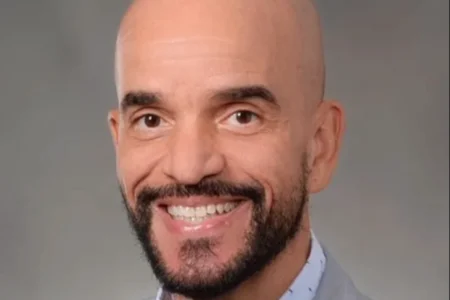
The Connecticut State House District 139 race saw Democratic candidate Larry Pemberton deliver a decisive victory over Republican Brandon Sabbag. With more than 95 percent of votes counted, Pemberton secured a commanding 64.5 percent of the vote compared to Sabbag’s 28.5 percent. This substantial margin in what has historically been a Democratic-leaning district reinforces Democratic enthusiasm in the Northeast, where the party has been working to consolidate support ahead of the crucial midterm elections. Pemberton’s background and campaign messaging apparently resonated strongly with local voters who turned out in substantial numbers despite this being a special election.
Meanwhile, in Alabama’s State House District 63, Republicans found reason for optimism as Norman Crow, a Tuscaloosa City Council member, claimed victory with an equally impressive 64.5 percent of the vote. His Democratic challenger, Judith Taylor, a retired college professor, managed just 35.5 percent after nearly all votes were tallied. Crow’s substantial win demonstrates continued Republican strength in traditionally conservative areas of the South, suggesting the party’s base remains energized in regions where President Trump performed well in 2016. This result indicates that despite national headwinds, Republicans can still count on strong performances in their traditional strongholds.
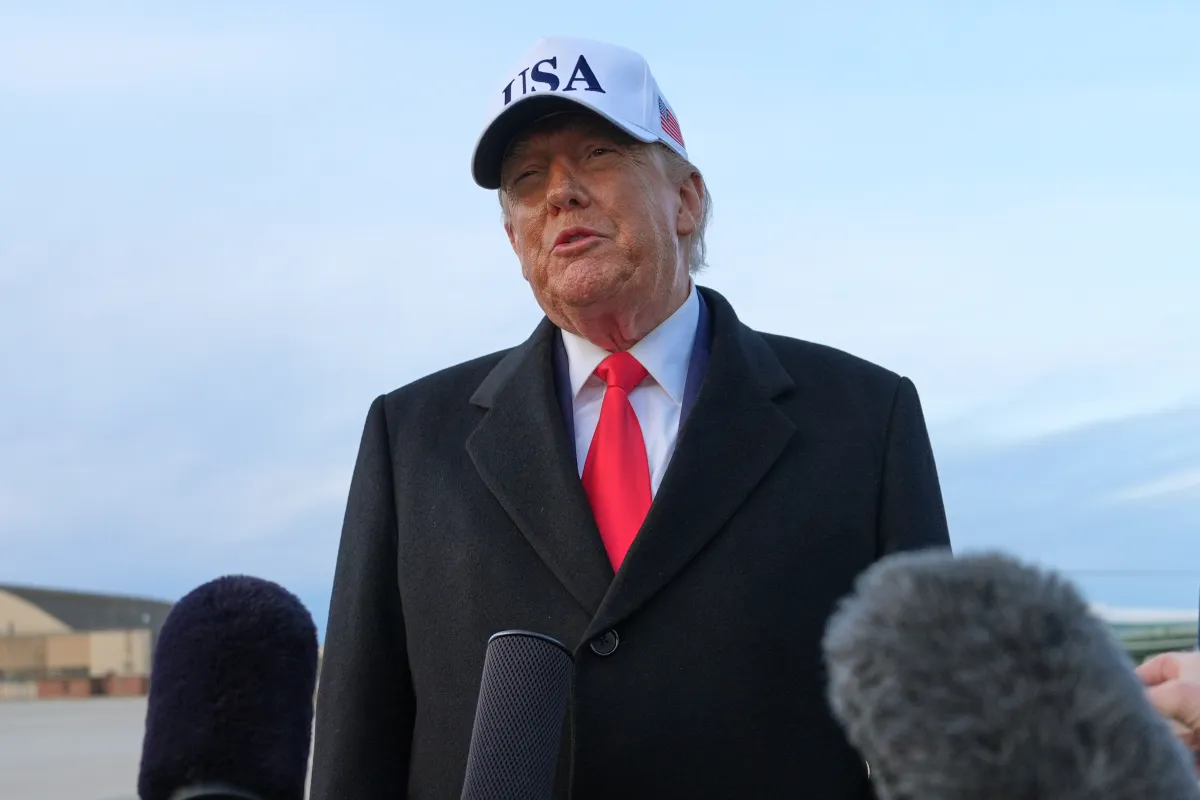
Though President Trump wasn’t directly on the ballot in either race, these special elections carry significance beyond their immediate results. Political strategists from both parties closely monitor such contests as potential barometers of public sentiment toward the sitting administration. The mixed outcomes suggest a politically divided nation where geography, local issues, and candidate quality continue to play crucial roles—perhaps more so than national trends. For the White House, these results paint a nuanced picture: clear strength in deep-red territories but potential vulnerability in areas where Democrats have historical advantages or where suburban voters might be drifting away from Republican candidates.
As November’s midterms approach, these special election results add another data point to the complex political calculus facing both parties. Republicans are working to protect their narrow majorities in both the House and Senate, a challenging task given historical patterns where the president’s party typically loses seats in midterm cycles. President Trump himself has reportedly expressed concern about the party’s midterm prospects, recognizing that losses could significantly hamper his legislative agenda during the second half of his term. The party’s ability to pass tax reform, infrastructure spending, or additional healthcare changes would be severely compromised should Democrats gain control of either chamber of Congress.
What remains unclear is whether these special elections truly foreshadow the national mood or simply reflect local dynamics and candidate-specific factors. The Connecticut loss might worry Republicans about their standing in blue-leaning districts nationwide, while the Alabama victory suggests their base remains committed in conservative strongholds. Political analysts will continue examining turnout patterns, messaging effectiveness, and demographic breakdowns from these races as they build forecasting models for November. For voters and candidates alike, the coming months will feature intensified campaigning, substantial fundraising efforts, and increasing attention to the local races that—collectively—will determine control of Congress and the future direction of American governance.