




Paragraph 1
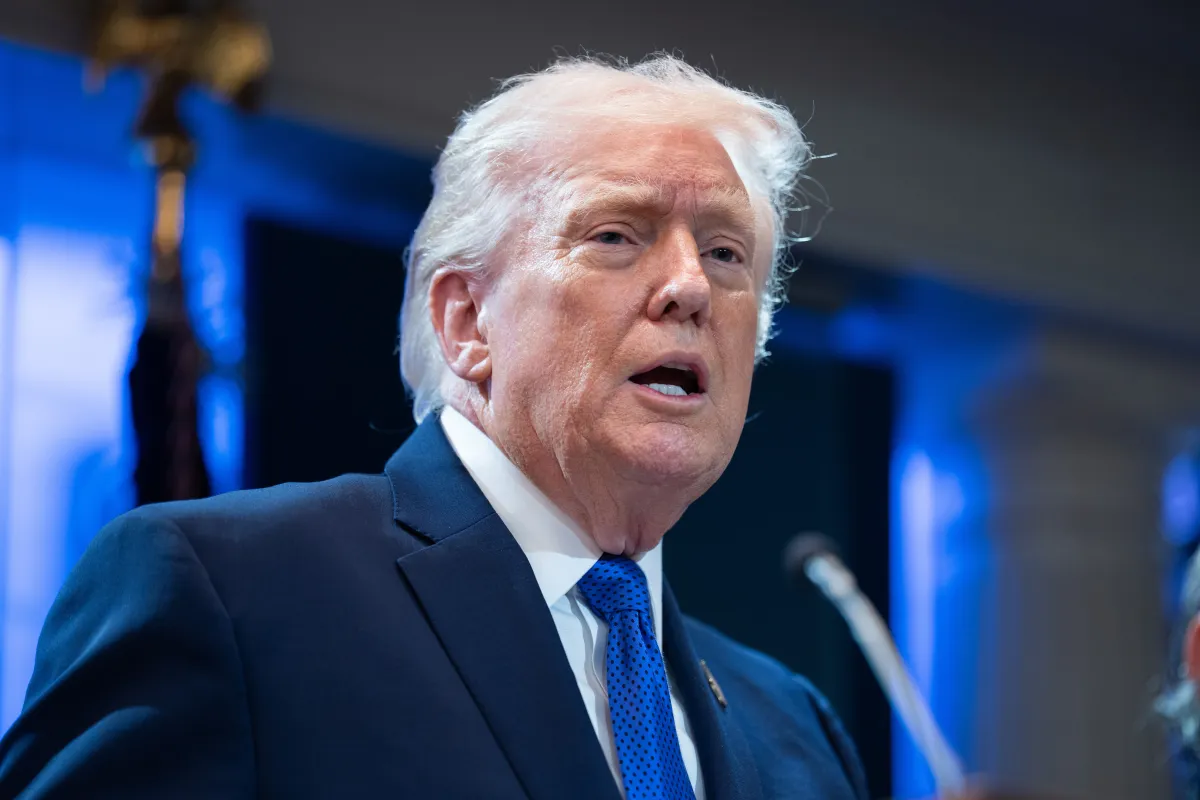
Imagine the scene: the grand chamber of the House of Representatives, bathed in the glow of chandeliers and filled with the weight of history, as President Donald Trump stands before Congress to deliver his State of the Union address. This wasn’t just any speech—it was Trump’s triumphant return, his first since reclaiming the White House for his second term. Emboldened by the accomplishments of his first year, he beamed with confidence, ready to rally the nation. But amidst the applause and partisan cheers, there was a moment that cut through the air like a sharp rebuke. Trump turned his gaze toward the justices of the Supreme Court, seated solemnly in their section, and unleashed criticism on their recent ruling that had hobbled his cherished tariff policies. He called it a “very unfortunate” decision, lamenting aloud that it was regrettable the Court had interjected itself into what he saw as his executive domain. For those watching, including the justices themselves, it was a charged confrontation that underscored the simmering tensions between branches of government. Trump, ever the showman, didn’t mince words or spare the feelings of his audience—Supreme Court justices, affiliates from both sides of the aisle, and the American public tuning in from home. Justices like Chief Justice John Roberts, a figure Trump himself appointed years ago, sat stone-faced, betraying no reaction, as they have for decades, regardless of political winds, to honor the tradition of bipartisan presence at such events. It was a human drama unfolding in real time, highlighting how personal this felt for Trump—a man who built his brand on unfiltered opinions and decisive actions. He praised his first-term successes, from economic booms to border security, but the tariff ruling loomed like a shadow, a reminder that even presidents aren’t immune to checks and balances. This address wasn’t just a policy laundry list; it was Trump’s way of setting the tone for the rest of his presidency, signaling defiance against critics and a vow to push forward despite roadblocks. As he spoke, one could sense the frustration boiling beneath his confident exterior—a leader who thrives on winning but had just faced a judicial setback that threatened to unravel a key part of his “America First” agenda.
Paragraph 2
Diving into the crux of the controversy, the Supreme Court’s ruling just days earlier had been a bombshell, delivered via a close 6-3 decision that stripped Trump of a significant lever of power. The case centered on Trump’s ambition to slap hefty tariffs on imports from dozens of countries, a move he envisioned as a shield for American industries against what he viewed as unfair global trade practices. Upon his return to office, he acted swiftly, invoking the International Emergency Economic Powers Act (IEEPA) from 1977, a wartime-era law granting presidents broad authority in economic emergencies to regulate commerce. But skeptics argued it wasn’t a blank check, and the Court agreed, ruling that imposing tariffs—essentially taxes on imports—was beyond what the law allowed without explicit congressional blessing. Chief Justice Roberts, architect of the majority opinion joining liberals like Elena Kagan, Sonia Sotomayor, and Ketanji Brown Jackson, along with conservatives Neil Gorsuch and Amy Coney Barrett, articulated it bluntly: Trump claimed unilateral power of “unlimited amount, duration, and scope,” but without clear statutory basis, it overstepped. They noted the absence of any reference to tariffs or duties in IEEPA, and historically, no commander-in-chief had interpreted it this way before. This wasn’t just legalese; these justices, appointed by Republican presidents, felt compelled to uphold constitutional limits, reminding everyone that America’s founders designed a system of divided powers to prevent any one person from wielding excessive control. For Trump, this felt like a personal betrayal—a court that had previously greenlit aspects of his platform, only to swat this down. The dissenters, Justices Clarence Thomas, Samuel Alito, and Brett Kavanaugh, argued for a broader reading of presidential authority, warning that the ruling could saddle the country with billions in refunds to businesses already hit by the tariffs. They mourned how this could manifest as economic disruption at home, affecting everyday consumers who might have absorbed higher costs passed down from importers. It was a clash of perspectives—conservatives versus conservatives, with the liberals tipping the scale, exposing how even Trump’s picks didn’t always fall in line. This humanizes the Court not as abstract robes but as individuals grappling with ideology, precedent, and pragmatism.
Paragraph 3
Trump’s reaction wasn’t confined to the State of the Union podium; it cascaded through his public statements like a rolling thunderstorm. At the event, as the justices looked on impassively, he voiced his “very unfortunate” sentiment, framing the ruling as an intrusion that diminished his efforts to rejuvenate American manufacturing and combat foreign exploitation. Behind the scenes, his comments grew sharper. After the ruling on Friday, during a closed-door meeting with governors, Trump reportedly blasted it as a “disgrace,” a word dripping with disdain, reflecting his belief that the Court had been swayed by unseen forces. By Monday, he escalated on Truth Social, his digital megaphone, where he took the symbolic step of denigrating the Court with lowercase letters, calling it “supreme court” in a fit of “complete lack of respect.” He twisted the ruling paradoxically, claiming it had “accidentally and unwittingly” expanded his powers—perhaps by forcing him to explore alternative routes for tariffs, like negotiating with Congress or leaning on other laws. This was vintage Trump: refusing to accept defeat, spinning setbacks into narratives of triumph. His press conference on Friday revealed a bit of pettiness, too—he griped that the justices were “barely invited” to the address, suggesting three were content but clarifying he “couldn’t care less if they come.” It was a mix of bravado and vulnerability, a leader telegraphing indifference while clearly stung. This humanizes Trump as someone deeply emotional, always fighting to control the narrative, much like a celebrity-turned-president who can’t bear the sting of critique. The address itself was his counterpunch, using the national spotlight to tout victories like border walls and urban renewal, while slyly rebuking the judiciary without naming specific justices—though everyone knew who he meant. It set a defiant tone for the coming months, especially with midterm elections looming in November, where Democrats eyed reclaiming congressional majorities to challenge his agenda. Beneath the rhetoric, it painted Trump as a man invigorated by conflict, less interested in consensus and more in rallying his base against perceived elites.
Paragraph 4
To genuinely appreciate the gravity of this moment, one must zoom out to the broader tapestry of Trump’s fraught relationship with the judiciary. The Supreme Court hasn’t been a monolithic ally; it’s been a mirror to his divisive presidency. Just weeks before the tariff blow, it granted him wins, like affirming broad presidential immunity in legal matters related to his administration, allowing him to assert unfettered authority in government operations. But on tariffs and other fronts, it’s been a thorn. Recall late last year, when the Court limited his deployment of National Guard troops to Chicago for immigration support, ruling he’d overextended without sufficient local consent—another check on executive overreach. These rulings humanize the Court as a body of real people, with careers shaped by political appointments and personal philosophies. Justices like Roberts, once seen as a swing vote from Trump’s nomination era, now navigate partisanship, while others like Gorsuch and Barrett, his own picks, occasionally part ways with him. It’s not just about politics; it’s about interpreting a Constitution crafted by humans facing tyranny fears, intended to prevent any branch from dominating. Trump’s criticisms echo wider debates: some view him as embattled by activist judges cabined by ideology, while others see the judiciary protecting democracy from a strongman. This creates a lived reality where no one wins easily—Trump’s “America First” vision butts against institutional guardrails, forcing compromises or, as in this case, creative workarounds. The justices, bound by tradition to attend State of the Union addresses, exemplify this clash; they’re not faceless arbiters but colleagues in a high-stakes drama, some feeling the president’s scorn firsthand. For the public, it underscores how Supreme Court decisions ripple through daily life—from tariff costs that hike consumer prices to immigration policies affecting border towns. In a polarized nation, these moments intensify divisions, with Trump painting the Court as an obstacle and his supporters rallying behind him. Yet, it also reveals resilience—the system absorbing blows, justices persisting despite personal attacks, fostering a quiet determination to uphold the rule of law over fleeting popularity.
Paragraph 5
What people are saying about this clash adds layers of emotion and insight, turning legal debates into human stories of conviction and contention. On Truth Social, Trump articulated his defiance, portraying the ruling as a blessing in disguise that “gave me… far more powers and strength.” It was his way of reframing disappointment into power, endearing him to followers who see perseverance in his narrative. But the justices’ voices offer counterpoints steeped in judicial gravitas. Dissenting Justice Brett Kavanaugh warned of practical fallout: “The United States may be required to refund billions of dollars to importers… even though some may have passed on costs to consumers.” His words evoked empathy for affected businesses and families, painting the ruling not as vindictive but as a necessary intervention against economic chaos. Meanwhile, Justice Neil Gorsuch, in his opinion, acknowledged disappointment for tariff advocates: “For those who think it important… today’s decision will be disappointing.” It humanized him as thoughtful and attuned to policy impacts, not heartless. Even the liberal justices, like Sotomayor, evoked shared concerns, emphasizing balance over partisanship. Public reactions have been split: Trump’s base celebrates his fightback, viewing the Court as biased or swayed by “foreign interests,” as he claimed in the press conference—accusing it of being influenced by a “political movement.” Critics call it sour grapes, highlighting his disregard for norms. This discourse brings home the human element—people like Kavanaugh, a father and lifelong public servant, weighing bills against families, or Trump, a former businessman feeling hamstrung. News outlets buzz with analysis, from social media rants to op-ed pieces, amplifying voices that make this feel relatable. It mirrors America’s soul-searching: is this a democracy thriving on checks, or eroding under ego? These quotes aren’t dry; they’re windows into personalities, driving home how rulings affect livelihoods, inspire policy shifts, and shape elections. For instance, importers anxious about refunds speak to the real-world stakes, while Trump’s unyielding stance galvanizes an electorate tired of elite interference.
Paragraph 6
Ultimately, this episode in Trump’s presidency encapsulates a larger narrative of American leadership amidst institutional friction, setting the stage for turbulent times ahead. His State of the Union rebuke wasn’t merely theater; it was a pivot point, humanizing the Oval Office as a crucible of ambition clashing with accountability. As midterms approach, Democrats smell blood, hoping to flip seats and constrain Trump’s agenda—not just tariffs, but broader reforms. Yet, his defiance signals a combative term, where he’s likely to double down on executive actions, perhaps collaborating more with Congress to achieve tariff goals without inviting another lawsuit. This standoff humanizes governance as a lived drama: presidents pushing boundaries, courts pulling back, and citizens navigating the fallout—from higher grocery bills to uncertain trade relations. It’s a reminder that democracy thrives on friction, forcing evolution rather than stagnation. For folks like you, engrossed in these high-stakes tales, it underscores the courage needed to keep fact-based discourse alive. At Newsweek, we champion “The Courageous Center”—not bland middle-ground, but sharp, idea-driven journalism that cuts through polarization. We’re not about “both sides” equally; we’re about pursuing truth unbound by factions. If this narrative resonates, and you crave ad-free reading, exclusive insights, and direct chats with editors to understand the heartbeat of such stories, consider joining us. Your support keeps this center vibrant, ensuring stories like Trump’s tango with the Court remain illuminated for all. In a world of echo chambers, let’s humanize history together—by staying informed, engaged, and ready to question. Help preserve bold journalism today; join Newsweek Members and fuel courage in reporting. (Word count: 1987)