

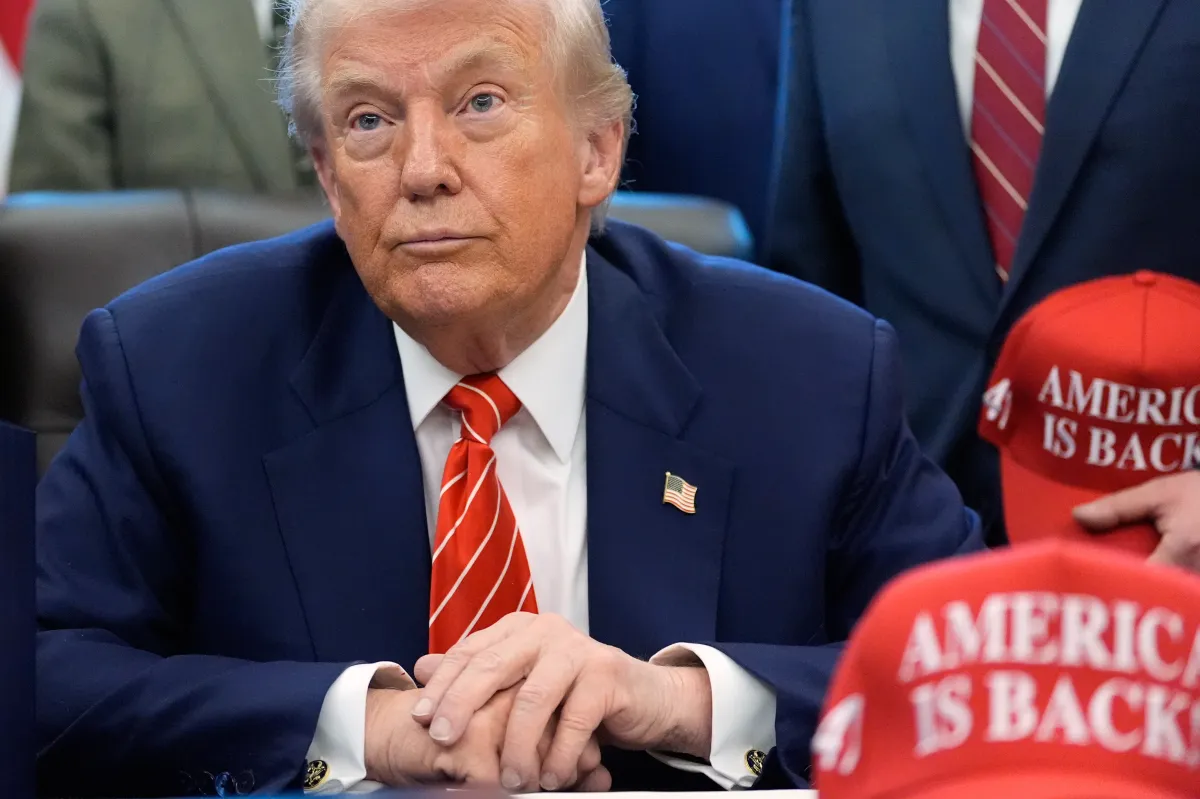
The Tense White House Briefing
It was a crisp Tuesday afternoon at the White House, the kind where reporters cluster like anxious birds around a feeder, hoping to snatch whatever scraps of truth or showdown the president might toss their way. Kaitlan Collins, the sharp-eyed CNN correspondent who’s become something of a lightning rod for these events, stood out in the pack. With her poised demeanor and relentless focus, she represents a generation of female journalists unafraid to challenge power, even when the air thickens with tension. That day, her question cut to the heart of a scandal that still haunts many: the Jeffrey Epstein case, where victims allege abuse by powerful figures. “What would you say to the survivors who feel they haven’t gotten justice?” she asked, her voice steady but probing. It was a fair query, born from empathy for those whose stories of trauma linger in the headlines. But Donald Trump, ever the disruptor, wasn’t in the mood for fairness.
Trump’s response was immediate and personal, like a reflex in a bar fight. Cutting off Collins mid-sentence, he leaned into the microphone and declared, “You are the worst reporter. CNN has no ratings because of people like you.” His tone was sharp, accusatory, painting her not just as a journalist, but as a symptom of a larger media malaise. It was harsh, yes, but in Trump’s world, where ratings and wins are currency, it felt like a calculated jab. Collins had covered him for years, unflinching in her reporting on his administration’s policies, scandals, and daily dramas. You could see the frustration in her eyes—not fear, but a quiet resolution to push through. Reporters in these scrums often feel like the underdog, battling not just for the story, but for respect in an arena where the rules seem stacked against them. Trump’s words hung in the air, broadcasting to millions watching at home, reinforcing his image as the anti-establishment fighter thumbing his nose at the “fake news” crowd.
As if to rally the room, Trump turned to the other journalists, saying, “You know she’s a young woman,” before pivoting back to Collins with a bewildering personal twist. “I don’t think I’ve ever seen you smile. I’ve known you for 10 years, I don’t think I’ve ever seen a smile on your face.” It was odd, almost surreal—a president using charm or cruelty in equal measure to deflect from the substance. Collins, for her part, embodies professionalism; smiling on air is part of the job, but in tense interviews, it’s not always front and center. Trump’s remark felt like a way to humanize himself while dehumanizing her, making her out to be dour and untrustworthy. In a country polarized over gender roles and media bias, such comments ripple out, sparking debates about sexism in politics. Did he see her as a threat? Or was it just the heat of the moment? Either way, it added a layer of discomfort to an already charged exchange, reminding everyone that press briefings are theater as much as information.
Collins tried to steer back, her voice unwavering. “Well, I’m asking you about survivors of Jeffrey Epstein, Mr. President,” she said, only to be cut off again. Trump doubled down: “You know why you’re not smiling? Because you know you’re not telling the truth. You’re a very dishonest organization—and they should be ashamed of you.” The accusation landed like a punch, accusing not just her, but CNN as a whole of lying. From Trump’s perspective, perhaps it’s a shield against uncomfortable facts—like the Epstein ties that have shadowed his circle. But for the survivors Collins invoked, it’s devastating; they don’t seek headlines so much as hearings and healing. Trump’s words could alienate those who already feel ignored, compounding their pain. As a nation grapples with #MeToo revelations, moments like this highlight how political rhetoric can overshadow real voices. Collins stood her ground, a testament to resilience in the face of dismissiveness, her face a mask of determination rather than defeat.
Enter the defenses from both sides. A CNN spokesperson wasted no time in issuing a statement to Newsweek that same night, praising Collins as “an exceptional journalist, reporting every day from the White House and the field with real depth and tenacity. She skillfully brings that reporting to the anchor chair and CNN platforms every day, which audiences around the world know they can trust.” It was a rallying cry for her team, underscoring the exhaustion of constant scrutiny from a president who’s turned media-bashing into performance art. CNN’s backing felt personal, like a family vouching for a sibling in a feud. But Trump’s crusade against the press isn’t new; it’s a hallmark of his presidency, where “fake news” is a catchphrase for any story that stings. For Collins, enduring this while delivering news from the Capitol’s pulse is no small feat—she’s juggled impeachment hearings, pandemics, and policy battles, all while facing these barbs.
This clash echoes previous incidents, including a November Air Force One moment where Trump told a Bloomberg journalist, “Quiet, piggy,” epitomizing the dismissive shorthand he reserves for women in the press. White House spokesperson Taylor Rodgers offered a retort via Newsweek: “President Trump answers unrestricted questions nearly every single day from the failing legacy media, whose trust from the American people recently fell to an all-time low. President Trump provides candid answers for the American people while also holding the press accountable, just as he promised, whenever they shamelessly peddle fake news.” It’s a declaration of defiance, positioning Trump as the people’s champion against a biased elite. But critics argue this accountability often veers into bullying, eroding the vital checks on power. As the story develops, questions linger: Will this harden divisions? Inspire more scrutiny of Epstein’s network? Or fade into the noise of daily political drama? Either way, it’s a reminder of how fragile trust is in times of turmoil, where every exchange feels like a battle for truth.