





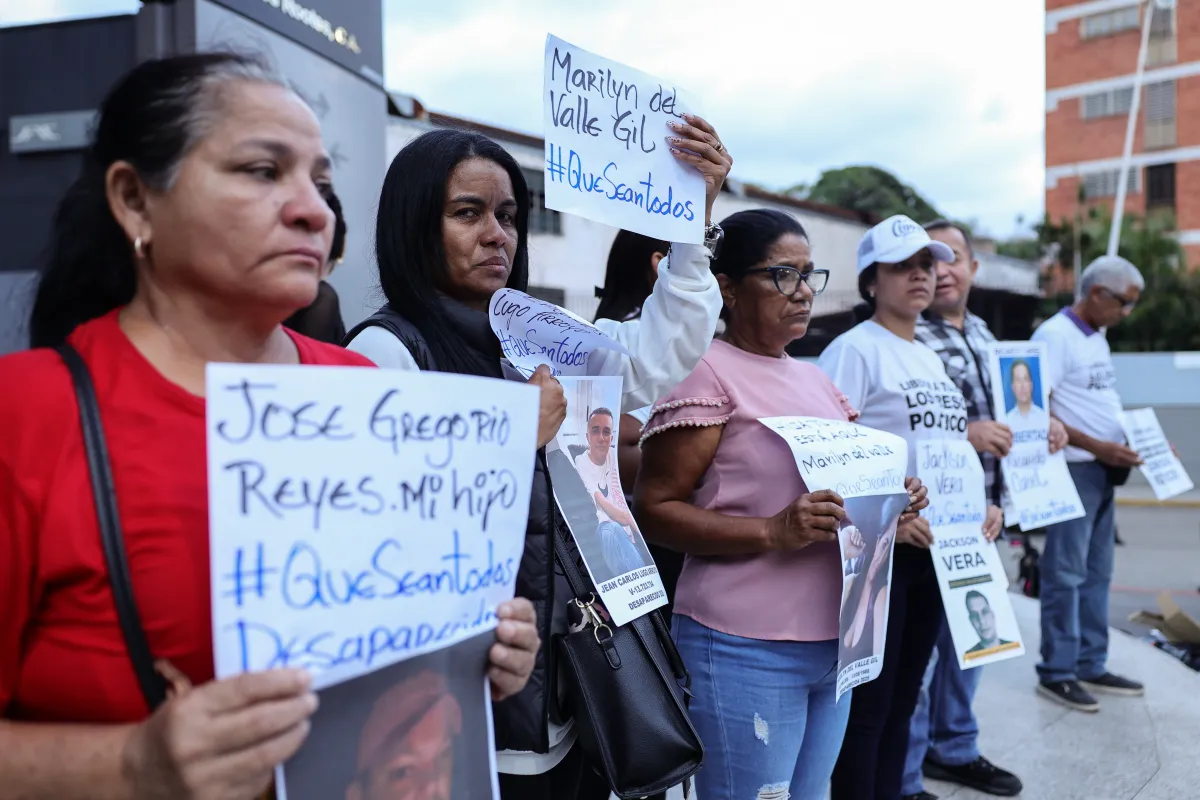
Venezuela Takes Significant Step Forward by Releasing Political Prisoners
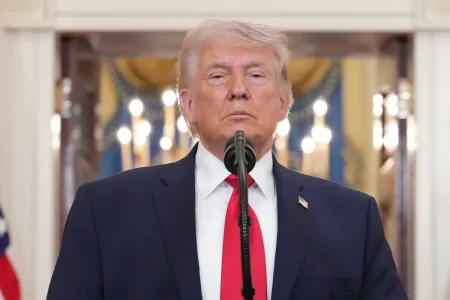
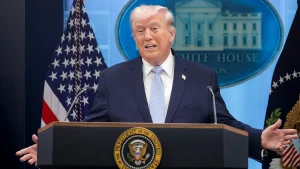
In a noteworthy development for Venezuela’s political landscape, former President Donald Trump announced on Saturday evening via his Truth Social platform that the South American nation has “started the process, in a BIG WAY” of releasing political prisoners. This action represents a potential turning point for Venezuela, which has been facing significant international pressure to improve its human rights record during its transition away from the Maduro regime. Trump’s statement, while celebrating the release, carried a stern tone as he remarked that these freed prisoners “should remember how lucky they got that the USA came along and did what had to be done,” adding a warning that “if they forget, it will not be good for them.”
The United States has consistently emphasized that Venezuela’s release of political prisoners is a crucial prerequisite for achieving stability and fostering cooperative relationships with the U.S. and neighboring countries. Under Interim President Delcy Rodriguez’s leadership, this move appears to signal Venezuela’s willingness to engage with international demands and possibly chart a new political direction. The release follows years of criticism from human rights organizations and foreign governments regarding Venezuela’s detention of opposition figures, journalists, and activists who have spoken out against the government’s policies and actions.
This latest prisoner release builds upon a previous action earlier in the week when Venezuelan authorities freed both citizens and foreign nationals on Thursday. A high-ranking government official characterized this earlier release as a gesture intended to “seek peace,” suggesting a potential shift in Venezuela’s approach to domestic opposition and international relations. These consecutive releases may indicate a strategic decision by the interim leadership to address one of the most prominent human rights concerns that has damaged Venezuela’s standing in the international community for years.
The timing of these releases comes at a critical juncture for Venezuela, which has been experiencing profound economic challenges, including hyperinflation, shortages of essential goods, and mass emigration. The country’s political future remains uncertain as it navigates the post-Maduro transition period. By addressing the issue of political prisoners, the interim government may be attempting to signal its commitment to democratic principles and human rights protections—values that would be essential for rebuilding international relationships and potentially accessing economic assistance that has been withheld due to previous human rights concerns.
For the prisoners themselves, these releases represent the end of what many international observers have described as unjust detentions. Many political prisoners in Venezuela have reported harsh conditions, limited access to legal representation, and in some cases, torture. Their release not only impacts their individual lives but also carries symbolic weight for Venezuela’s opposition movement, which has long advocated for their freedom. However, the conditional nature implied in Trump’s statement raises questions about what expectations might be placed on these individuals following their release.
As this situation continues to develop, the international community will be watching closely to see whether these prisoner releases represent a genuine shift in Venezuela’s approach to political dissent or merely a tactical move to relieve external pressure. The extent and conditions of the releases, the treatment of those who remain detained, and any subsequent actions by the Rodriguez administration will all be crucial indicators of Venezuela’s trajectory. For a country that has experienced such profound political and economic turmoil, the release of political prisoners could potentially mark the beginning of a new chapter—one that the Venezuelan people, who have endured years of hardship, desperately need.