






The Changing Landscape of American Food Culture
In a significant shift for school nutrition programs across America, President Trump has signed legislation reintroducing whole and 2% milk options to school cafeterias nationwide. This policy reversal represents just one facet of a broader reconsideration of long-standing American dietary advice. For decades, certain foods were vilified in official guidelines – full-fat dairy, eggs, and various forms of dietary fat among them. Now, the new federal dietary guidelines are taking a more nuanced approach, acknowledging that many previously restricted foods may actually have a place in a balanced diet. This evolution reflects growing scientific understanding that nutrition isn’t as black and white as once believed, with researchers finding that individual responses to foods can vary greatly and that many traditional foods offer nutritional benefits when consumed appropriately.
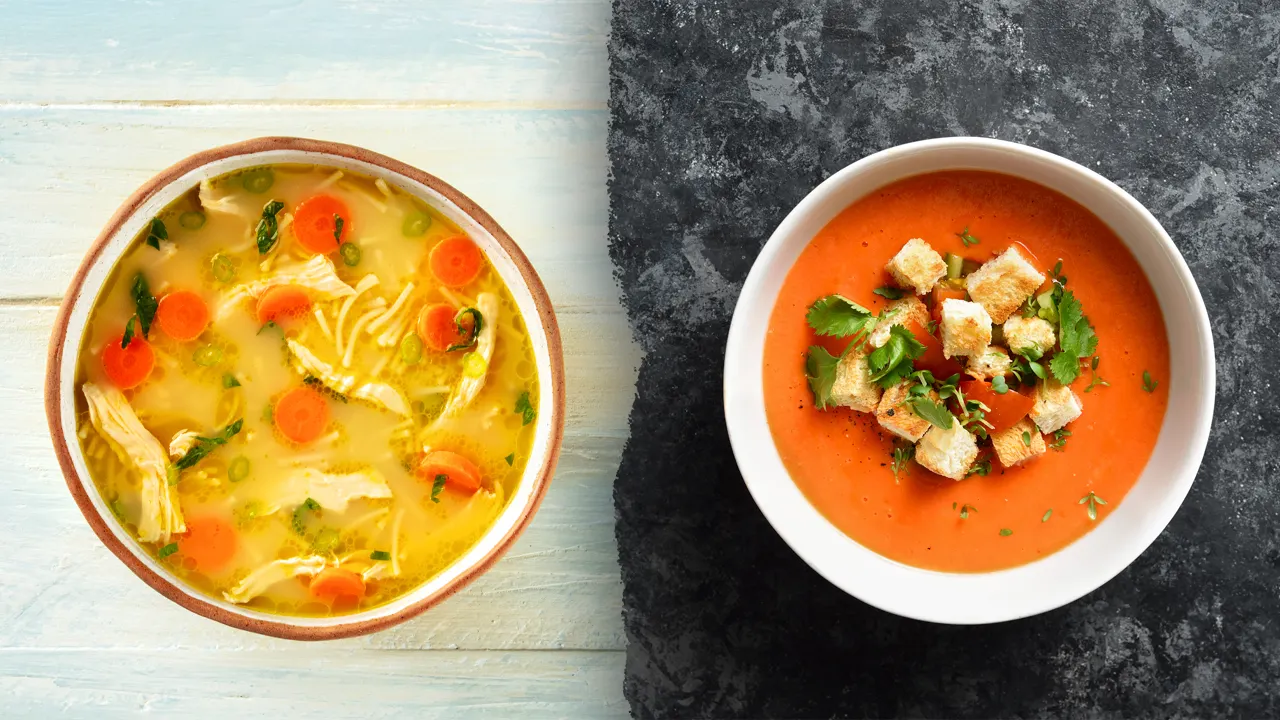
The rehabilitation of carbohydrates is taking an interesting turn as well, with emerging research suggesting that leftover pasta may actually be better for blood sugar management than freshly cooked pasta. When pasta cools after cooking, some of the carbohydrates transform into resistant starch, which digests more slowly and causes less dramatic blood sugar spikes. This finding challenges conventional wisdom about carbohydrates and offers a practical tip for pasta lovers looking to make healthier choices. Similarly, the age-old debate between chicken and tomato soup has nutritionists weighing in on their respective benefits – chicken soup offering protein and minerals, while tomato soup provides lycopene and other plant compounds, suggesting both have valuable places in a healthy diet depending on individual nutritional needs.
The food landscape continues to evolve in regional and cultural contexts as well, exemplified by the intensifying “bagel wars” in Florida, where Northern transplants and snowbirds have created enormous demand for authentic New York-style bagels. Iconic bagel brands are expanding their presence in the Sunshine State, recognizing the powerful connection between food and identity for transplanted Northerners. These culinary touchstones serve as comfort food and cultural anchors for those who have relocated, demonstrating how deeply food is intertwined with our sense of home and belonging. The competition among these establishments goes beyond mere business rivalry – it represents a battle for cultural authenticity and the loyalty of consumers who use food choices to maintain connections to their roots.
Even traditionally controversial foods like red meat are being reexamined in more balanced ways. A cardiologist has shared insights on incorporating red meat into a heart-healthy diet, suggesting that moderate consumption of leaner cuts, proper preparation methods, and balancing meat with plant foods can allow people to enjoy red meat without significantly compromising cardiovascular health. This represents a shift away from absolutist dietary recommendations toward more personalized approaches that consider overall dietary patterns rather than vilifying specific foods. Similarly, fast food chains like Taco Bell are responding to consumer demands for affordability with new value menu options, though these changes inevitably create winners and losers among menu items, prompting mixed reactions from loyal customers.
The intersection of food and social causes is exemplified by Indiana football’s star quarterback and his brother, who have transformed a simple burger into a vehicle for raising awareness and funds for multiple sclerosis research. This creative approach to advocacy demonstrates how food can serve as a powerful medium for community building and charitable action. Their initiative highlights the growing trend of leveraging culinary interests to support meaningful causes, creating opportunities for consumers to align their dining choices with their values. Food entrepreneurs increasingly recognize that today’s consumers seek not just flavor and value but also meaning and purpose in their consumption choices.
Professional mixologists have also weighed in on the culture of alcoholic shots, revealing their favorites while implicitly acknowledging the social rituals that surround drinking culture in America. These insights into professional preferences offer a glimpse into how even casual drinking experiences are becoming more sophisticated as consumer tastes evolve. The growing interest in craft cocktails, quality ingredients, and thoughtful preparation extends to these smaller drinking experiences, suggesting that American palates and expectations continue to become more refined across all segments of food and beverage consumption. Together, these various developments reflect a food culture in constant flux – one that’s simultaneously returning to traditional foods while embracing new scientific understandings, connecting communities around shared tastes, and using culinary experiences as vehicles for broader social engagement.