


A Nation Still Grappling with Gun Violence: Remembering Sandy Hook in Light of New Tragedies
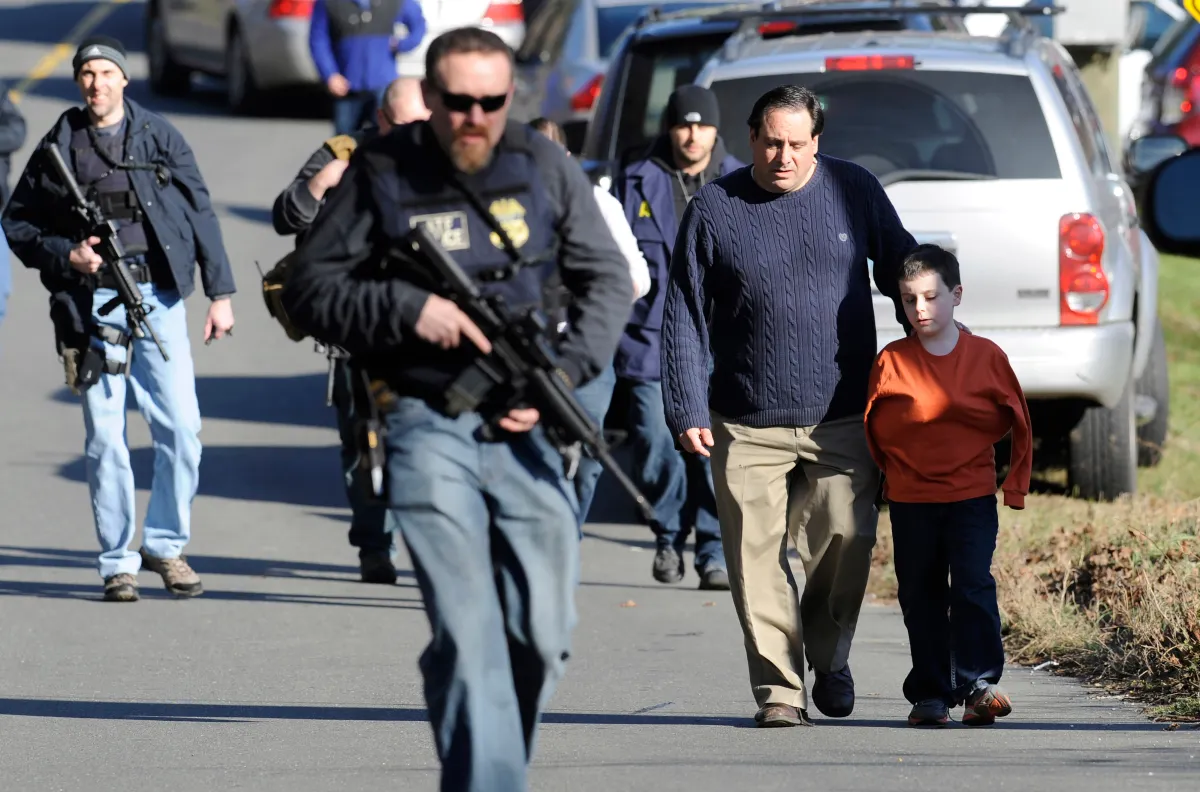
In the somber shadow of the 13th anniversary of the Sandy Hook Elementary School shooting, America finds itself once again confronting the painful reality of gun violence. As Democratic lawmakers and gun control advocates commemorate the 26 lives lost in Newtown, Connecticut on December 14, 2012—20 of them young children—the nation simultaneously mourns fresh tragedies at Brown University in Rhode Island and a Hanukkah celebration in Sydney, Australia. These recent events have reignited the perennial American debate about gun safety reforms, with many Democrats renewing their calls for stricter legislation while facing continued resistance. The Sandy Hook massacre, which remains the deadliest mass shooting at a U.S. elementary school, followed only by the 2022 Uvalde tragedy, prompted initial outcries for gun control that largely failed to materialize into comprehensive federal action. As families of the victims mark another year without their loved ones, politicians and advocates alike grapple with the question of how many more anniversaries will pass before meaningful change occurs.
The discussion surrounding gun control in America has remained deeply polarized since Sandy Hook, with the AR-15 style rifle used in the attack becoming a focal point of debate. Democratic lawmakers consistently push for measures like universal background checks and assault weapons bans, framing these as “common sense” reforms necessary to protect children. Representative John Larson of Connecticut epitomized this stance, writing, “We’ll never, ever give up. It’s time for universal background checks & an assault weapons ban.” Similarly, Representative Dan Goldman of New York expressed frustration at Republican opposition, stating that “Republicans still refuse to pass the commonsense gun safety laws that would keep other families from living this nightmare.” On the other side, many Republicans and gun rights advocates maintain that such restrictions infringe upon Second Amendment protections and that other approaches to violence prevention deserve priority. This fundamental disagreement has resulted in a patchwork of state-level gun policies across the nation, with some states implementing tight restrictions while others expand gun rights, and relatively little movement at the federal level beyond the 2022 Bipartisan Safer Communities Act.
The emotional weight of Sandy Hook continues to fuel advocacy efforts, particularly among those with personal connections to gun violence. Former Representative Gabby Giffords, who survived a shooting in 2011, shared her perspective: “I know what it means to have everything change in an instant because of an act of gun violence, and I will never forget meeting with the Sandy Hook families after the shooting.” Her organization, GIFFORDS, exemplifies the ongoing push for legislative change. Senator Cory Booker similarly highlighted the generational impact, lamenting that “We have let gun violence terrorize an entire generation of American students.” Perhaps most poignantly, Senator Tammy Duckworth noted that the Sandy Hook victims “should be in college right now” had they lived, underscoring the years of potential lost. The Democratic caucus collectively affirmed their “commitment to advancing real gun safety reforms and ensuring that every child in every community can go to school free from the fear of gun violence,” reflecting a consistent party position that the status quo remains unacceptable.
The weekend’s shootings at Brown University, where two people died, and in Sydney, Australia, where sixteen were killed at a Hanukkah celebration, have added urgency to these commemorations and calls for reform. The Sydney attack has drawn particular attention as it occurred in a country often cited by gun control advocates as a model of effective firearm regulation. Following the 1996 Port Arthur massacre, Australia implemented sweeping gun restrictions that dramatically reduced mass shootings in the country. Yet Sunday’s tragedy suggests that even robust regulations cannot completely eliminate the risk of gun violence, complicating the narrative for both sides of the American debate. Representative Judy Chu addressed this intersection of past and present violence, stating, “On the 13th anniversary of the Sandy Hook shooting, this tragedy [at Brown University] is a painful reminder of the cost of inaction.” For many Democrats, the juxtaposition of commemorating Sandy Hook while responding to new shootings underscores what they see as an ongoing failure to adequately address America’s relationship with firearms.
The 2022 Bipartisan Safer Communities Act represents the most significant federal gun legislation in decades, though many advocates view it as merely a starting point rather than a comprehensive solution. The law expanded background checks for gun buyers under 21, provided funding for state crisis-intervention programs, and increased mental health services funding. However, it fell far short of the universal background checks and assault weapons ban that many Democrats have consistently demanded. Senator Tina Smith of Minnesota highlighted this perceived inadequacy, noting that “every year since Sandy Hook, more parents join the growing cohort of families who grieve losing their child to a school shooting.” The sentiment that “thoughts and prayers aren’t enough” has become a common refrain among those advocating for stronger gun control measures, reflecting frustration with what they see as symbolic gestures unaccompanied by substantive policy change. Meanwhile, various gun-related proposals remain stalled in Congress, with little indication that any major new federal legislation will advance in the current political climate.
As Connecticut lowered its flags to half-staff to honor the Sandy Hook victims, the nation confronts the uncomfortable reality that mass shootings have become an enduring feature of American life. New Jersey Governor Phil Murphy encapsulated this ongoing struggle, affirming his state’s commitment to “leading the fight toward a safer future” through measures like holding gun manufacturers accountable and passing gun safety legislation. Yet thirteen years after Sandy Hook shocked the nation’s conscience, the fundamental questions remain largely the same: What constitutes appropriate regulation of firearms in a society that constitutionally protects gun ownership? How can the country balance individual rights with collective safety? And perhaps most pressingly, how many more anniversaries will pass, how many more victims will be mourned, before Americans can find common ground on addressing gun violence? For the families of those lost at Sandy Hook, at Uvalde, at Brown University, and countless other sites of tragedy, these questions are not merely political but profoundly personal—reminders of losses that no legislation, however well-crafted, can ever truly remedy.