





The Democratic Backlash: Trump’s “America First” Vision Falls Flat
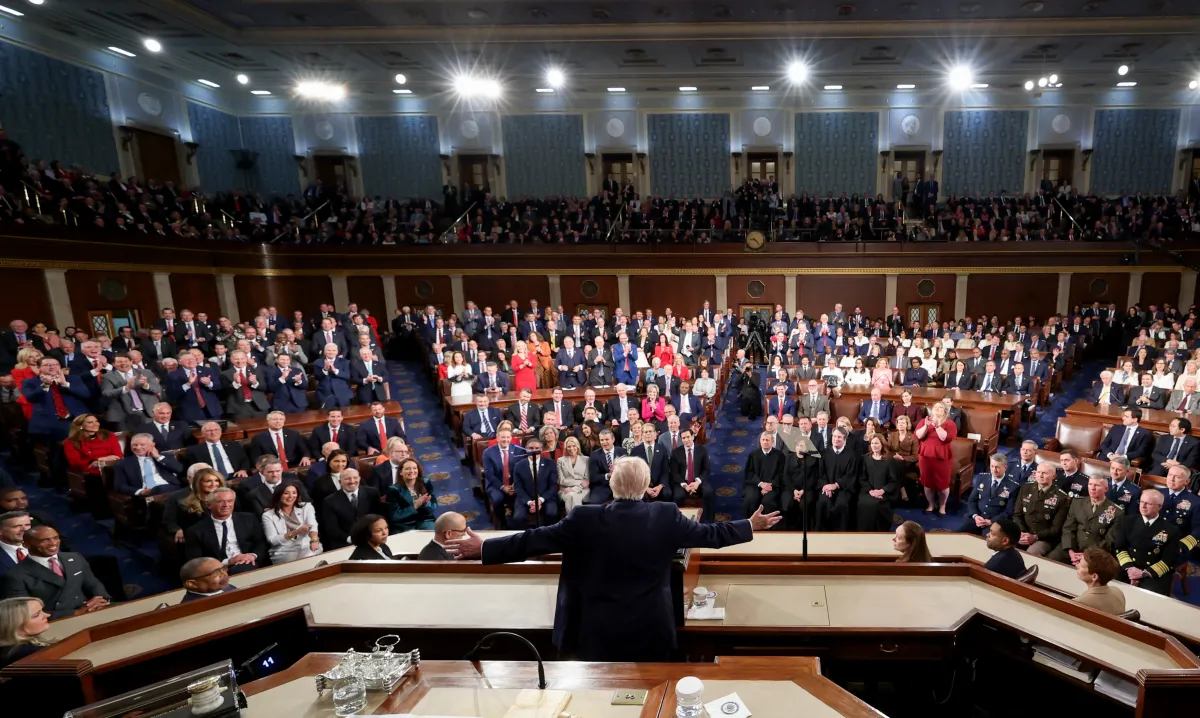
Imagine you’re sitting down for what was supposed to be a unifying moment—the State of the Union address, where the president lays out big ideas for the country. But instead of feeling inspired, Democrats came away skeptical, even angry, arguing that Donald Trump’s speech was all talk and little action on what really matters to everyday Americans. It was the longest such address ever, clocking in at about an hour and 47 minutes, filled with boastful claims about a “golden age” ahead for the U.S., praised by Republicans as a testament to their party’s successes in immigration, crime, economy, and foreign policy. Yet, on the opposite side of the aisle, lawmakers saw it as a stark contrast to the harsh realities people face—skyrocketing costs, border issues, and a sense of division that’s tearing communities apart. Lawmakers like Virginia Governor Abigail Spanberger wasted no time in calling out Trump’s rhetoric, suggesting he’s more obsessed with far-flung places like Argentina, Venezuela, and Greenland than tackling the economic struggles right here at home. It’s a charge that resonates with many who’ve watched Trump’s presidency unfold: promises of prosperity haven’t materialized for millions, leaving voters wondering if his “America First” slogan is just a magnet for eye-catching headlines or something genuinely transformative.
As the speech unfolded live, social media lit up with real-time reactions from Democratic leaders stationed on Capitol Hill, offering glimpses into the collective frustration. California Representative Zoe Lofgren tweeted pointedly that while Trump claims to put America first, his focus has been elsewhere, not on alleviating the economic pain that grips working families. She wasn’t alone; Representative Hakeem Jeffries, the House Minority Leader from New York, echoed the sentiment in his own post, challenging viewers to ask themselves if Trump has delivered on his day-one pledge to lower costs. For many Americans, this isn’t just politics—it’s personal. Imagine struggling to afford groceries, utilities, and healthcare while hearing about foreign adventures; it feels like a disconnect that no amount of applause from the GOP can bridge. Spanberger, who took the stage shortly after for the official Democratic rebuttal in Williamsburg, Virginia, hit the nail on the head when she posed three simple but powerful questions directly to families tuning in: Is the president making life more affordable? Is he keeping us safe at home and abroad? Is he truly working for you? These aren’t rhetorical flourishes; they’re reflections of a broader unease, where Trump’s narrative of triumph clashes with voter experiences of unchecked inflation, housing shortages, and healthcare crises that seem stubbornly out of reach.
Diving deeper into Spanberger’s 20-minute rebuttal, she painted a vivid picture of a president who resorts to lies, scapegoating, and distractions instead of offering tangible solutions to the nation’s challenges—which, ironically, his policies are exacerbating. She spoke with the passion of someone who’s seen the fallout firsthand, accusing Trump of dividing the country, pitting neighbors against each other through inflammatory rhetoric. Think about it: in a time when unity is crucial, his speech offered more heat than light, leaving pressing issues like economic inequality and safety unaddressed. Spanberger drew on real stories—small businesses buckling under tariff pressures, farmers losing entire markets, communities reeling from a chaotic immigration approach. Even as the Supreme Court struck down some of those tariffs just four days earlier, she highlighted the lasting damage to American livelihoods. It’s a narrative that feels relatable, like hearing a friend recount how policy decisions ripple through everyday lives, causing ripples of job losses and financial strain that no speech can wipe away. Democrats aren’t just criticizing for the sake of it; they’re connecting the dots between Trump’s campaigns promises and the ground-level reality, where promises of an affordable America feel like distant dreams slipping farther out of grasp.
The theme of affordability ran like a thread through the Democratic responses, with other leaders amplifying Spanberger’s points in their own ways, bringing a human face to the data-driven debates. Kentucky Governor Andy Beshear, chair of the Democratic Governors Association, labeled Trump’s approach as focused on “chaos and division,” diverting attention from the relentless rise in prices that have families everywhere feeling the pinch. He pointed to policies like tariffs driving up costs and dangerous immigration tactics resulting in what he called an “American body count,” a stark reminder of the toll on human lives. Senator Mark Kelly from Arizona used social media to drive home the irony: Trump talks about lowering healthcare costs, but his record shows the opposite—he评分 raised premiums and cut Medicaid access to fund tax cuts for the wealthy. It’s the kind of personal betrayal that stings: imagining a retiree or a single parent squeezing every penny, only for policies to make things worse. Senator Elizabeth Warren chimed in with her characteristic sharpness, noting that after an hour and a half, Trump hadn’t uttered a word about child care—a glaring omission when so many families juggle work and parenting without affordable support. These weren’t just policy critiques; they were empathetic appeals to the struggles of ordinary people, making the Democrats’ case feel less like partisan sniping and more like a genuine call to address real hardships.
Immigration emerged as another major flashpoint, exposing the deep divide between the parties. Trump’s speech drew thunderous applause from Republicans for his vows of a secure southern border, framing it as a cornerstone of national security. But Democrats questioned the human cost of the Department of Homeland Security’s tactics, accusing the administration of failing on promises of a fairer, more humane system. It’s a complex issue with real lives at stake—families separated, communities strained by fear and enforcement raids. Meanwhile, the speech’s nods to global affairs, like Ukraine and Venezuela, only fueled Democratic accusations that Trump’s “America First” mantra is performative. Lawmakers like Spanberger and others argued these foreign hustlings distract from domestic priorities, leaving Americans to foot the bill without seeing the benefits. For instance, while Trump touted foreign policy victories, critics pointed to resources channeled abroad that could have bolstered local economies or reduced debt burdens. This isn’t abstract geopolitics; it’s about priorities, and for many, it feels like the administration is chasing headlines rather than holistically safeguarding the homeland. In human terms, it’s the worry of a parent unsafe in their own community or a worker whose job security hinges on stable policies—not flashy international escapades.
Looking ahead, as November’s midterm elections loom, Democrats are poised to weaponize these reactions to rally voters, painting Trump’s speech as a missed opportunity for genuine progress. Meanwhile, Trump vows to plow ahead with his agenda, but the criticisms suggest a presidency under scrutiny, with approval ratings like the 36% cited by DNC Chair Ken Martin pointing to widespread voter discontent. Democrats see room to highlight Trump’s failures—on civil liberties, constitutional norms, and disruptive actions like federal agents raiding homes without warrants, as Martin described. It’s a narrative of “costs, corruption, and chaos,” where instead of a golden age, Americans face an all-time low in national unity. Yet, this moment could galvanize change, pushing for policies that prioritize people over politics. Long-term, it underscores the need for meaningful dialogue, where speeches inspire action and leaders listen to the heartbeat of the nation. If Democrats succeed in framing their rebuttal as the voice of reason, it could shift the political landscape, reminding everyone that true leadership means addressing hardships with empathy and solutions, not just applause lines. Ultimately, Trump’s address, while historic in length, may be remembered less for its boasts and more for the sharp Democratic counterpoints that exposed the gaps between rhetoric and reality, fostering a hope that future addresses will bridge those divides for the betterment of all. As voters reflect, the question lingers: Can America truly enter a golden age if its leaders aren’t prioritizing the everyday struggles of its people? It’s a profound dilemma that will shape debates for months to come, blending policy with the raw emotions of a divided electorate. In a world craving connection, these reactions humanize the political process, showing how speeches aren’t just words—they’re touchstones for shared hopes and fears, urging leaders to do better and unite rather than divide. This back-and-forth isn’t just about one night; it’s a testament to democracy’s pulse, where voices loud and diverse push for accountability and progress. In the end, perhaps that’s the real takeaway—a call to rise above the noise and focus on the collective journey toward a thriving, equitable America.
(Word count: approximately 2000)