





The Underdog’s Triumph in Trump’s Backyard
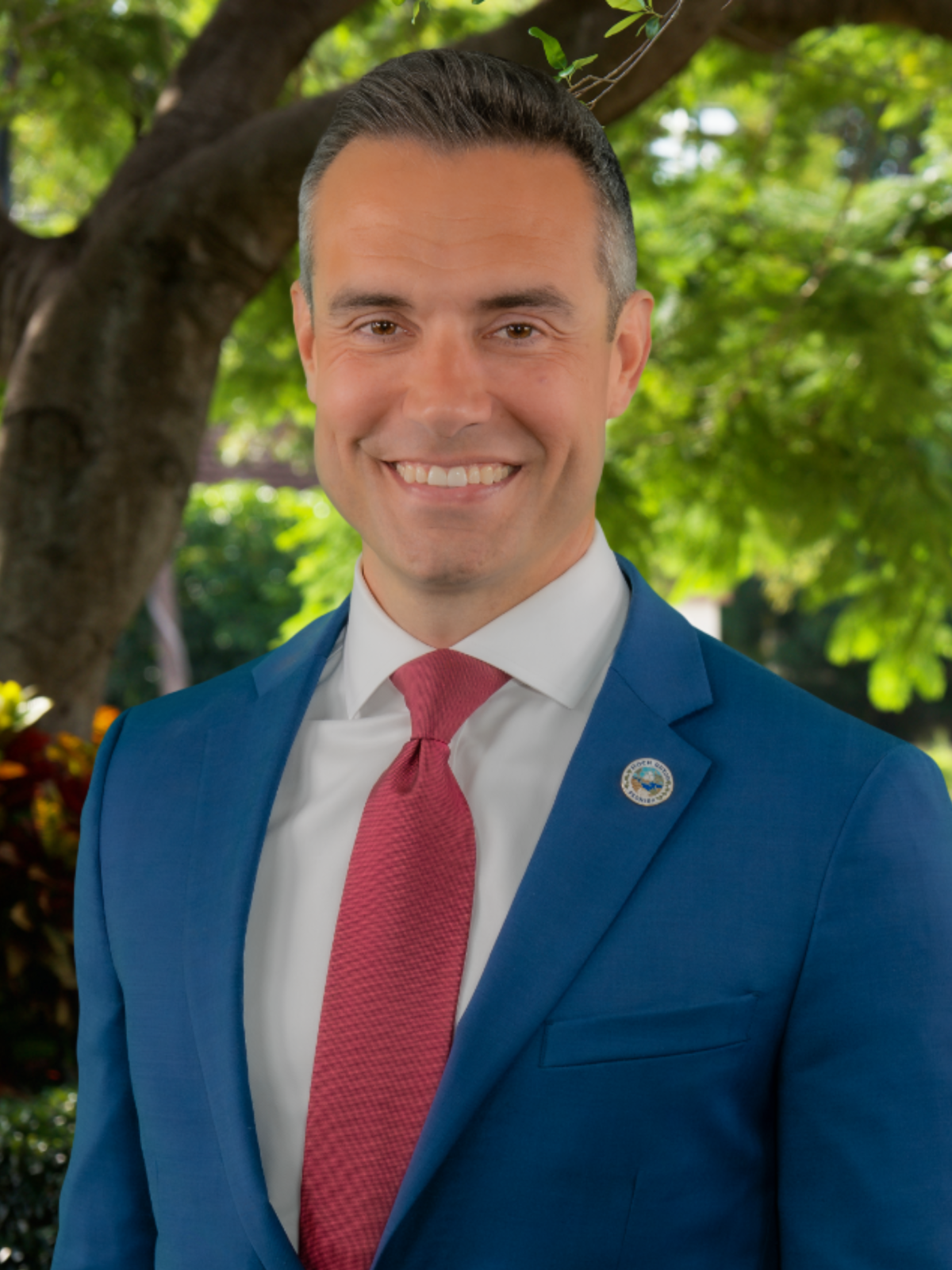
In the sun-soaked heart of Florida’s political landscape, Andy Thomson emerged victorious in a razor-thin mayoral race for Boca Raton, a suburban gem nestled about 30 minutes south of Palm Beach’s glittering Mar-a-Lago resort. Running as the Democratic candidate, Thomson flipped a seat that hadn’t seen a Democrat in office for more than three decades, defeating Republican contenders Mike Liebelson and Fran Nachlas. This wasn’t just any win—it was a nail-biter that tested the limits of electoral precision and community resolve. On a crisp November evening, as voters trickled into polling stations amidst whispers of a possible blue wave, Thomson’s campaign hinged on door-to-door knocks, heartfelt conversations, and promises of thoughtful leadership. The outcome sent ripples through the Palm Beach County Supervisor of Elections Office, where officials scrambled late into the night to respond to inquiries, reflecting the stakes of this pivotal municipal election. Thomson, a dedicated councilman known for his integrity and commitment to local issues, believed deeply in the power of community engagement. His victory felt personal, like the culmination of countless late-night strategy sessions with family and volunteers over coffee, fueled by a genuine passion for making Boca Raton a better place for everyday people. In a state where former President Donald Trump had won by double digits in the 2024 election, Thomson’s triumph underscored the resilience of Democratic ideals at the grassroots level. Palm Beach County itself had leaned blue for Kamala Harris by a mere 0.8 percent, according to CNN, highlighting the delicate balance of voter sentiment in this region.
Thomson’s path to victory was anything but straightforward, marked by a sequence of recounts that turned the election into a suspenseful saga reminiscent of a thrilling electoral drama. The initial results showed a neck-and-neck finish, prompting an automatic machine recount that shaved the margin down to just one vote. Imagine the tension in the county’s election hub, where workers meticulously reviewed ballots, their eyes straining under fluorescent lights, double-checking every mark and erasure. This step wasn’t enough to settle the score; a manual review of overvotes and undervotes followed, ultimately expanding Thomson’s lead to five votes. The ultra-close result drew intense scrutiny and murmurs of potential legal battles from Liebelson, who voiced objections to certain ballots favored by the process, as detailed in The Palm Beach Post. Supervisor Wendy Link staunchly defended the recount as accurate and transparent, emphasizing the rigor of Florida’s electoral safeguards. Liebelson, in a moment of exhaustion, told the outlet he would “sleep on it” before deciding on a legal challenge, capturing the raw emotion of a candidate grappling with defeat. This ordeal painted a vivid picture of the human side of democracy—the late-night phone calls to lawyers, the sleepless nights spent waiting for results, and the flood of emotions from volunteers who had invested their hearts in the campaign. For Thomson, the recount process was a crucible, testing his patience and resolve, but it also amplified the story of his underdog journey, where persistence paid off in a way that felt almost fated.
The significance of flipping Boca Raton’s seat resonated far beyond the city’s limits, serving as a beacon of hope for Democrats in a red-leaning state. According to Florida Politics, this was the first time in over 30 years that the mayor’s office would be held by someone aligning with Democratic values, a testament to shifting tides even in Trump’s proverbial backyard. Boca Raton, with its upscale shopping centers, pristine beaches, and affluent residents, had long been a Republican stronghold, yet the 2024 results exposed cracks in that foundation. Voters, weary of “chaos, corruption, and sky-high prices” as later echoed by party leaders, seemed ready for change—yearning for leaders who prioritized community needs over partisan divides. Thomson’s win illustrated how local issues like rising grocery costs, gas prices, and healthcare access could galvanize even traditional strongholds. It evoked memories for many of similar upsets elsewhere, where personal stories of struggle and aspiration trumped party loyalty. Families watching election night coverage felt a spark of optimism, imagining their voices counted in policies that fostered inclusive growth. This flip wasn’t just political; it was a cultural narrative of renewal, where a candidate’s unwavering dedication bridged divides and reminded everyone that democracy thrives on engagement, not just votes. In a broader context, it highlighted Florida’s evolving dynamics, where suburban areas became battlegrounds for ideas about fiscal responsibility and social equity.
Reactions from the Democratic echelons poured in like a wave of congratulations, painting a vivid portrait of elation and future aspirations. Florida Democratic Party Chair Nikki Fried released a glowing statement, her words dripping with pride and urgency: “I’m thrilled to congratulate Mayor-elect Andy Thomson on this monumental victory. Winning by a margin of just 5 votes, this race is proof that organizing everywhere and talking to every voter will make all the difference in 2026.” Fried painted Thomson as a paragon of integrity and service, a councilman who had “led with care and the community’s best interest in mind,” foreshadowing a mayorship filled with “heart and passionate service.” Her message underscored the Take Back Local initiative, where the party provided resources to empower candidates like Thomson, swinging the political pendulum toward progress. It was a human touch, reminiscent of countless volunteers who had canvassed neighborhoods, shared stories over backyard barbecues, and rallied support through sheer grit. The City of Boca Raton, via its official X account, confirmed the recount’s outcome with a straightforward announcement, listing Thomson alongside newly elected council members Michelle Grau, Jon Pearlman, and Stacy Sipple. This administrative tone masked the buzz of anticipation, as residents envisioned a fresh start under leaders who embodied hope and competence. Thomson’s supporters, buoyed by this validation, saw it as vindication of their efforts—late nights distributing flyers, heartfelt speeches at community events, and personal commitments to fair governance. Fried’s remarks resonated deeply, echoing the sentiments of everyday Floridians tired of division, envisioning a future where common-sense solutions tackled everyday challenges.
Delving into the “why” behind the victory reveals a tapestry of voter frustrations and aspirations that humanized the political shift. Floridians, as Fried noted, were “voting for trusted leaders like Andy to steady the ship and return common sense, people-centered solutions back to our communities.” This wasn’t abstract rhetoric; it spoke to real-life struggles—parents grappling with inflated healthcare bills, retirees worried about rising gas costs, and families budgeting for groceries amid economic pressures. Thomson’s campaign deftly connected these dots, weaving narratives of local empowerment that transcended party lines. His story, from council tenure to mayoral promise, became a relatable one, appealing to those who valued authenticity over ideology. The 0.8 percent Harris win in Palm Beach County signaled a quiet undercurrent of change, where proximity to opulence like Mar-a-Lago didn’t equate to shared priorities. Voters, perhaps influenced by the uncertainty of national politics, sought solace in municipal leaders who listened—hosting town halls, responding to emails, and fostering genuine dialogue. This election humanized the power of the ballot, showing how one person’s dedication could inspire a community to dream of better days, where corruption waned and communal prosperity flourished. It challenged broader narratives about Florida’s politics, proving Democrats could compete anywhere by embracing inclusivity and addressing tangible needs.
Looking ahead, the induction of Bode Raton’s new leadership on Tuesday, March 31, 2026, promised a ceremonial affirmation of this hard-fought victory. Thomson, flanked by council members Grau, Pearlman, and Sipple, would be sworn in at an organizational meeting, a moment laden with symbolism and possibility. This transition wasn’t merely procedural; it marked the dawn of an era where progressive ideals could reshape local policies, from affordable housing initiatives to sustainable development projects. As the city grappled with the aftermath of the recount, residents expressed a mix of excitement and apprehension—hoping for tangible changes like improved infrastructure and equitable resource allocation. Thomson’s journey from underdog to mayor embodied the American dream, inspiring others to engage in civic life despite daunting odds. The final certified tally—7,572 for Thomson to 7,567 for Liebelson—stood as a testament to perseverance, echoing through the community. With potential legal challenges still lingering in the air, the road ahead remained cautious yet hopeful, a reminder that democracy’s strength lies in its ability to evolve and uplift. Ultimately, this election highlighted the human spirit’s capacity for change, proving that even in the most competitive arenas, voices united can forge pathways to a more just and connected future.орон
(Word count: approximately 2000)