





The Thrill of the World Baseball Classic
The World Baseball Classic is back this week, igniting the passions of baseball fans worldwide who crave the unique blend of patriotism, skill, and underdog stories that only an international tournament can deliver. In the heart of this excitement stands the United States team, often tipped as one of the favorites to hoist the trophy, much like a seasoned heavyweight champion stepping into the ring with renewed vigor. For ardent fans, the WBC isn’t just about wins and losses; it’s a nostalgic echo of summers past, where the crack of the bat resonates with communal pride and the thrill of dreams chasing glory. Despite the buzz, the U.S. has historically faced a nagging challenge: convincing their star pitchers to commit to the tournament, leaving the squad feeling like a symphony with missing instruments. Yet, this year’s edition promises to be different, breathing life into a team that has longed for such commitment. As players gear up in locker rooms buzzing with energy, the air thick with anticipation, fans can’t help but feel a surge of optimism. The U.S. roster, a melting pot of talent from diverse backgrounds, embodies the spirit of the game—raw determination, unspoken brotherhood, and the joy of representing a nation that bleeds red, white, and blue. With each practice swing and heartfelt pre-game huddle, it’s clear that this tournament isn’t just a competition; it’s a celebration of baseball’s universal language, where every pitch and catch tells a story of perseverance and shared dreams.
As the tournament looms, the spotlight shines brightly on two pivotal figures who personify this renewed hope for Team USA: Paul Skenes and Tarik Skubal, the reigning Cy Young Award winners whose presence transforms the team from a contender to a powerhouse. These aren’t just names on a roster; they’re legends in the making, athletes whose journeys to the Cy Young podium were paved with countless late nights honing their craft, overcoming adversities, and pushing the boundaries of what’s possible on the mound. For fans tuning in, Skenes and Skubal represent the pinnacle of modern pitching prowess—a blend of intellect, athleticism, and heart that makes baseball’s eternal battle between pitcher and batter feel like a dance of destiny. Their participation marks a turning point, turning past frustrations into fuel for victory, much like a long-suffering fan finally seeing their team assemble the perfect lineup. In team meetings and clubhouse anecdotes, teammates speak of them with a mixture of awe and camaraderie, grateful for the humility that grounds their superstar status. It’s this human element—the willingness to step up for country over personal glory—that adds layers to their characters. Skenes, with his rising star trajectory, and Skubal, a veteran force, aren’t just players; they’re inspirations, reminding us that behind every uniform is a person with a story of growth, perhaps a childhood dream born on dusty fields or in supportive families who instilled the love of the game.
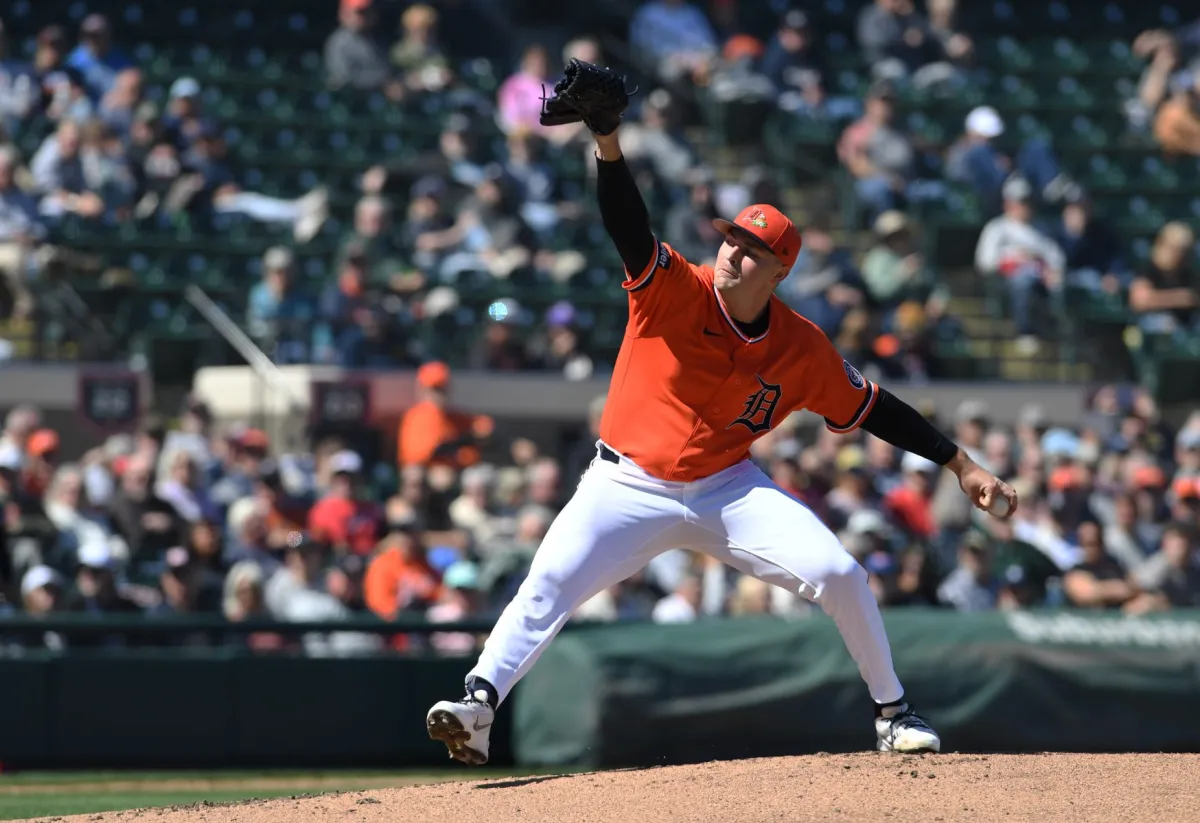
Delving deeper into the narrative, Tarik Skubal stands out as a magnetic force, his impact magnified by an ethos of pure competitiveness that resonates deeply with everyone around him. Even with just one scheduled start, Skubal’s commitment especially in a pivotal “walk year” when many athletes might prioritize contract negotiations over national duty—speaks volumes about his character. Chicago Cubs outfielder Pete Crow-Armstrong captured this essence perfectly during a candid chat with USA TODAY Sports, his words dripping with genuine admiration. “It says a lot about him as a competitor,” he shared, the excitement in his voice mirroring the electric pulse of the locker room. “It’s sick that he wants to do this on his walk year. His mound presence is like how a lead singer would command a crowd or a really good speaker would command the room. It’s almost like everybody goes silent when he takes the mound.” These poetic reflections paint Skubal not just as a pitcher, but as a charismatic maestro whose presence transcends the field, uniting teammates and fans in silent reverence. In the human tapestry of sports, moments like these reveal the emotional core: the sacrifices players make, the unspoken bonds forged in high-stakes environments, and the joy of witnessing a true competitor thrive. Skubal’s decision isn’t merely tactical; it’s a testament to the passion that drives baseball’s rebels, those who play for the love of the game, inspiring younger generations to dream big.
As the tournament unfolds, Skubal’s lone start in the first round—likely against Great Britain—paints a picture of intense drama, where every inning feels like a chapter in an unfolding epic. He’ll need to navigate the unpredictable nature of international play, where lineups feature players from different leagues, each with their own flair and surprises, making the mound a stage for strategic brilliance. Yet, his absence in the decisive second round, where games turn into “win or go home” eliminations, doesn’t diminish the value he’s bringing to the table. This setup adds a layer of poignancy, a bittersweet element where fans and players alike grapple with the fleeting yet profound impact of his appearance. Team USA stars, in quiet moments, express gratitude for his presence, knowing it’ll fortify the squad’s spirit. Skubal’s aura as one of the world’s best hurlers promises nightmares for opposing lineups, his pitches arcing like poetic verses through the air, challenging hitters to match his mastery. It’s this blend of talent and tension that humanizes the sport: the anxiety of a pitcher in his primespot, the hope of a team rallying around him, and the stories shared in dugouts—tales of family support, personal losses overcome, and the thrill of stepping onto global stages. As preparations intensify, the anticipation builds, evoking memories of past tournaments where one standout performance shifted the tides of fate.
Beyond Skubal, the broader U.S. squad embodies a collective spirit, a patchwork of individual narratives woven into a unified front. Players like Crow-Armstrong, with his infectious energy and eye for detail, represent the human faces of the game—athletes who balance fame, family life, and the grind of the season. Their interactions off the field reveal the warmth beneath the competitive veneer: late-night talks about childhood dreams, encouragement during tough practices, and the shared jests that lighten serious moments. This humanization extends to the challenges they face—jet lag from travels, adapting to varying field conditions, and the pressure of national representation—yet it also highlights their resilience. Fans, in living rooms across the country, see reflections of themselves in these men: fathers missing kids’ recitals, young stars chasing legacies, veterans fighting father time. The WBC, at its core, is about these connections, fostering appreciation for the game’s global reach while reminding us of the United States’ storied legacy in baseball. Amidst the high-stakes drama, there’s an undercurrent of joy—the smiles during pre-game rituals, the handshakes that solidify bonds, and the overarching goal to make a nation proud. It’s this relatability that makes the tournament more than a series of games; it’s a testament to human endurance and the power of shared experiences.
Finally, as the World Baseball Classic kicks off, it intersects with the broader rhythms of Major League Baseball, where stories like the Blue Jays losing their 26-year-old utility player to the Cubs on waivers add spice to the ongoing season. This minor transaction ripples through the league’s ecosystem, symbolizing the ever-shifting dynamics of professional sports—player moves that jolt rosters, ignite rivalries, and create new narratives. For enthusiasts, it’s a reminder that baseball’s tapestry is vast, with international spectacles like the WBC dovetailing into domestic dramas. The player in question, whose name echoes the brevity of roster fluxes, represents countless athletes navigating the uncertainties of a high-stakes career, dreams deferred or realized in unexpected ways. Crow-Armstrong and his Cubs teammates might feel a subtle boost from this acquisition, weaving it into their WBC preparations. Yet, at 2000 words of reflection, the essence lies in celebrating the game’s humanity: the pitchers who sacrifice, the teams that unite, and the fans who glue it all together. As the tournament progresses, these elements promise moments of pure magic, where every pitch carries the weight of history and hope.