






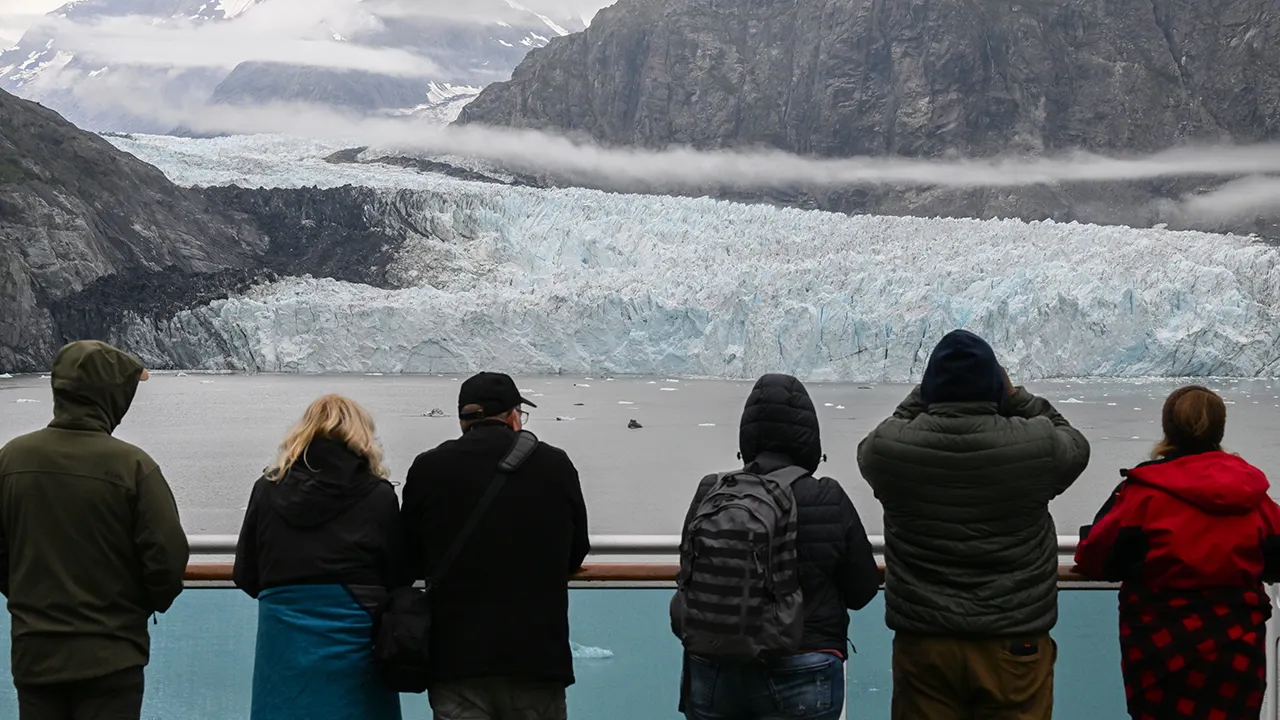
Imagine starting your day with that comforting hum of possibility, where every scroll through the news could unveil a story of adventure, mishap, or wonder from the world’s vast corners. Recently, the travel world has been buzzing with a mix of setbacks and surprises, reminding us that even in our modern globetrotter age, the unexpected often takes the wheel. From cruise ship dramas unfolding in the icy expanses of Alaska to health alerts shadowing sun-soaked islands, these events paint a vivid picture of travel’s inherent unpredictability. It’s like a rollercoaster ride—thrilling when it ascends, but a gut-check when it dips. I remember my own first solo trip, where a delayed flight turned into an impromptu night in a charming airport hotel, forging memories I’d cherish forever. These tales echo that sentiment: travel isn’t just about destinations; it’s about the stories they birth, even when plans go awry. Take the Alaskan cruise line, a stalwart in the tourism scene, which recently threw in the towel after decades of navigating Arctic waters. With operations halted and future voyages scrapped, countless families found their dream vacations dashed like waves against glacier-carved shores. It’s heart-wrenching; picture packing those suitcases, envisioning aurora-lit nights and wildlife encounters, only to get that email of cancellation. What led to this? Likely a confluence of economic pressures, perhaps rising fuel costs or shifting passenger trends in the post-pandemic world. Yet, in the disappointment, there’s resilience—travelers reallocating funds to spontaneous road trips or domestic escapes that might just become their new favorites. The cruise industry, known for its grandeur, often overlooks these fragility points, but this incident underscores how external factors like climate shifts or global events can redefine an entire region’s tourism blueprint. Nearby, the CDC’s chikungunya outbreak alert for a beloved island destination adds another layer of caution. Chikungunya, that mosquito-borne ailment with a name that’s as exotic as its symptoms—fever, joint pains that mimic the worst flu ever—has tourists second-guessing Caribbean getaways. The alert isn’t a ban, but a wake-up call: pack bug spray, opt for screened accommodations, and stay informed. Growing up in a subtropical area myself, I know the siren song of clear waters and lush jungles, but tales from travelers who’ve battled such outbreaks highlight the need for vigilance. It’s not paranoia; it’s prudence. Families might pivot to less-affected spots like the Azores or even closer-to-home sanctuaries, proving that smart travel adapts. Meanwhile, a bizarre harbor pilot mishap—falling into the water while boarding—forced a cruise ship to skip a port stop altogether, turning potential buyers and shipmates into spectators of maritime improv. Human error, fatigue, or maybe just one of those ‘what are the odds’ moments? It reignites discussions on safety protocols in these floating cities, where hundreds rely on unseen heroes like pilots for seamless journeys. I’ve heard from friends who’ve sailed that these glitches, while frustrating, often lead to onboard camaraderie, like impromptu game nights substituting denied shore excursions. It’s a reminder that travel’s magic lies in flexibility, in those unplanned connections that steel us for life’s curves. Across the ocean, an island’s pushback against mass tourism feels like a cultural safeguard, with newly imposed hiking fees and reservation mandates. Locals, tired of overrun trails and environmental strain, are reclaiming their paradise, a noble stance in our over-touristed world. As someone who’s trekked over crowded paths in Europe, I applaud this; it encourages mindful travel, where visitors contribute without consuming the soul of a place. And then there’s the passenger who mistook his flight, ending up in an unexpected country instead of his original stop—a mix-up that’s both slapstick comedy and a logistical nightmare. Airlines are stepping up with checks, but it speaks to the chaos of modern transit hubs, where one wrong gate can whisk you across continents. The FAA’s temporary airspace closure around a Texas airport, later reversed, adds to this tapestry of aviation quirks, where radar glitches or procedural hiccups halt dreams mid-air.
Delving deeper into history’s hidden layers, archaeology continues to uncover treasures that transport us beyond today’s headlines, revealing how the past shapes our wanderlust. Picture this: deep beneath a 5,000-year-old Neolithic burial site, archaeologists unearthed a medieval underground tunnel—a veritable subterranean highway that likely served as a refuge or passage during turbulent eras. The thrill of discovery is palpable; imagine sifting through layers of earth to find stonework that predates written records, stories etched not in books but in bedrock. It’s a jolt of wonder, making you ponder humanity’s ingenious survival tactics across millennia. And in a twist of fortune, a metal detector enthusiast poking around a former Gold Rush campsite struck gold—albeit of the numismatic variety—with an “extremely rare” 19th-century coin, probably minted during the feverish days of California’s rush. Owning a basic detector myself, I’ve dreamed of such finds; it turns casual outings into potential history lessons, reminding us that below the surface of our feet lies a trove of tales waiting to be told. This coin isn’t just valuable; it’s a window into the ambitions of pioneers, the sweat and gamble that built wild frontiers. Not far away, Roman military camps have been revealed, with over 1,500 artifacts from the early third century A.D.—spearheads, pottery shards, even remnants of encampments—painting a scene of imperial expansion. These digs, often sparked by modern developments like construction, force us to pause and reflect on Rome’s reach, from the edges of the empire to our collective memory. Traveling through Europe, I’ve stood on ancient sites, feeling the weight of history, and these findings enrich that experience. They humanize figures from dusty tomes, showing soldiers as individuals—perhaps dreaming of home while forging conquests. In pooling these discoveries, we see archaeology as a bridge: between eras, between cultures, urging us to explore not just destinations, but the depths of who we were and could be.
Personal reflections often elevate these global vignettes, transforming data into deeply felt narratives. One Virginia high school senior’s quote captures this beautifully: “I think it just made me very, very grateful for my position. And it made me feel as if I had a duty to continue giving back.” Her words stem from volunteering in Kenya, an eye-opening journey that contrasted Africa’s vibrant struggles with her comfortable American life. As a fellow advocate for such exchanges, I see how these trips crystallize gratitude; grappling with resource scarcity amidst Kenya’s plains can reshape perspectives, fostering a lifelong commitment to altruism. This young woman, on the cusp of adulthood, embodies the transformative power of travel—not as escapism, but as enlightenment. It’s a call for introspection: What sparks our gratitude? For her, it was witnessing generosity in scarcity, a lesson that extends to us all. In our fast-paced world, surrounded by conveniences, such awakenings remind us to engage, to volunteer locally or afar. Travel like hers isn’t merely about visas and itineraries; it’s formative, sculpting character through empathy.
In weaving these threads together, from cruise line collapses to archaeological marvels, a common theme emerges: resilience in the face of disruption. The Alaskan heartbreak and island outbreaks teach us adaptability, turning lemons into lemonade via domestic detours or vigilant planning. Meanwhile, quirky incidents like the mistaken flight or airspace snafus inject levity, proving that laughter is the best travel companion. Archaeological finds ground us in continuity, showing that beneath modern chaos, timeless human ingenuity endures. And personal stories, like the high schooler’s Kenyan epiphany, inspire us to give back, bridging divides with shared humanity. As someone who’s traversed continents, I cherish these mosaic moments—they fuel my own adventures and encourage readers to embrace travel’s unknowns. Whether you’re dreaming of Alaskan fjords or Kenyan safaris, remember: every setback hides a setup for something serendipitous. Dive into the stories; let them enrich your horizon.
If these glimpses of travel’s tapestry resonate with you, there’s more waiting. Platforms like Fox News offer audio versions of articles, transforming passive reading into immersive listening sessions. Imagine multitasking—preparing for a trip while absorbing updates on cancellations or discoveries. It’s accessibility at its finest, perfect for commuters or homebodies alike. Especially with recent advancements, you can now tune in effortlessly, making news consumption as dynamic as the journeys described. This evolution mirrors travel itself: evolving to meet us where we are. So, bookmark those sources; let curiosity lead. Whether canceling cruises instill caution or unearthing Roman relics ignite wonder, our world pulses with stories begging to be heard. As the Virginia student’s words echo, gratitude breeds action—what will your next chapter reveal?
Expanding on this, let’s consider how today’s travel woes mirror broader societal shifts, urging proactive responses. The cruise line’s demise isn’t isolated; it’s part of a sustainability conversation, where eco-tourism rises against over-reliance on massive vessels that belch emissions into pristine waters. Travelers are pivoting to smaller, greener options—think co-ops and adventure sails—that prioritize impact. Personal stories amplify this: I once opted for a kayak tour in Alaska to circumvent such giants, syncing with nature rather than overpowering it. The chikungunya alert similarly prompts reflection on global health interconnectivity. In an era of climate change, mosquitoes venture northward, carrying viruses once contained to tropics. Researching destinations now includes weather apps and outbreak trackers, empowering decisions. The harbor pilot’s fall? A catalyst for innovation, like AI-assisted boarding protocols, enhancing safety in high-stakes environments. These aren’t just inconveniences; they’re clarion calls for growth. Hikers’ fees on that island illustrate democratizing access, ensuring resources benefit locals over transient visitors. It’s equitable, resonating with my hikes in places fighting overcrowding. Plus, the flight mix-up anecdote warns of digital era vulnerabilities—tingle when gates change without notice—yet fosters vigilance. The FAA’s reversal? A testament to responsive governance, correcting course swiftly. Archaeology’s riches underscore preservation urges: these sites could vanish under development without advocacy. That rare coin’s finder likely feels like a time traveler, his hobby yielding legacy. Roman artifacts educate on empire’s fluidity, informing today’s borderless dialogues. Ultimately, the senior’s Kenyan time cements travel’s soul-shaping essence, transforming privilege into purpose. We’re all called to contribute, whether through travel choices or support for communities abroad. Eager for more? Delve into expanded sources for deeper dives. Stay curious, lest these lessons fade.
To encapsulate, travel’s narrative thrives on contrast, blending adversity with awe to forge unforgettable arcs. The Alaskan slowdown, island alerts, and onboard mishaps paint disruption’s vivid portrait, yet each spurs innovation—from flexible bookings to safety audits—transforming hurdles into stepping stones. Historical unearthings add temporal depth, linking past labors to present pursuits, while personal awakenings infuse emotional resonance. As we tune into evolving platforms like audio articles, knowledge democratizes further. Reflect on your travels: what mishaps birthed memories? Embrace the mosaic; let it guide toward grateful, intentional journeys. And always, give back—the world awaits your impression. In essence, these stories aren’t mere updates; they’re invitations to live vividly, where every-board wrong flight or unearthed relic reminds us: the world is richer when explored with wonder. Keep adventuring, for the next tale might be yours.