




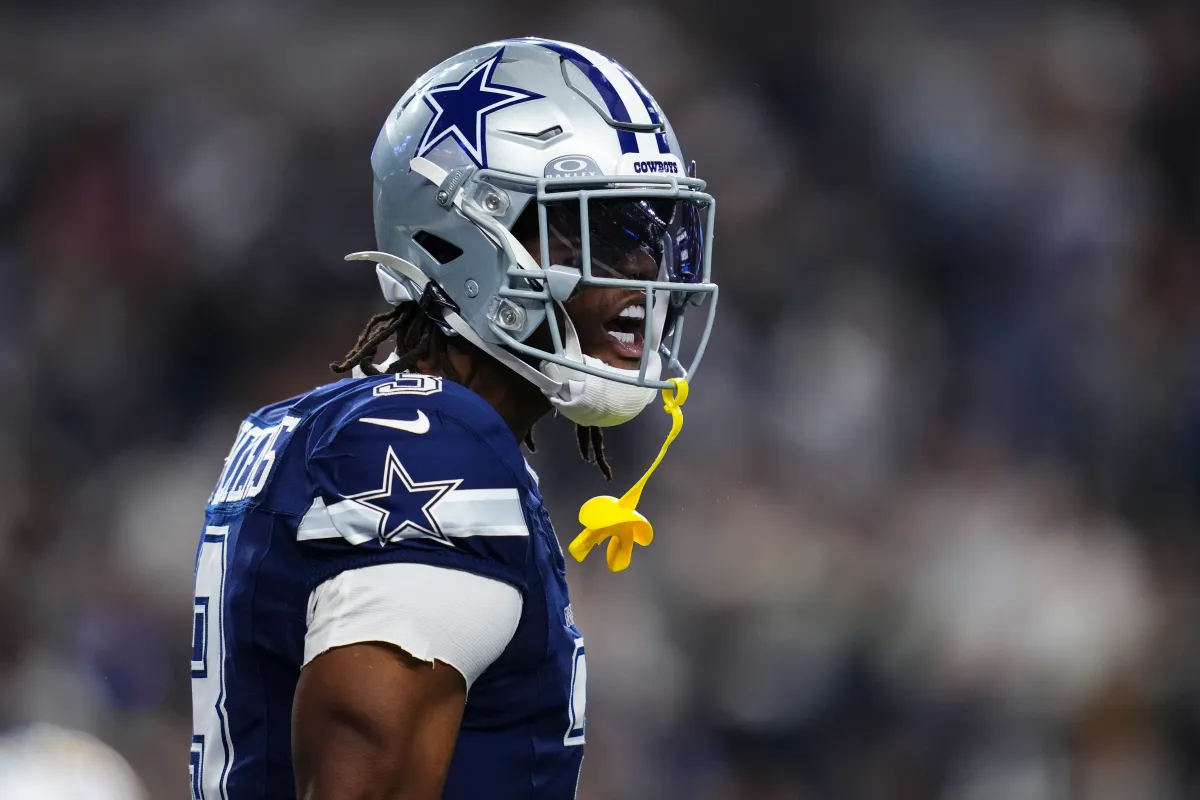
A Breakout Season for George Pickens
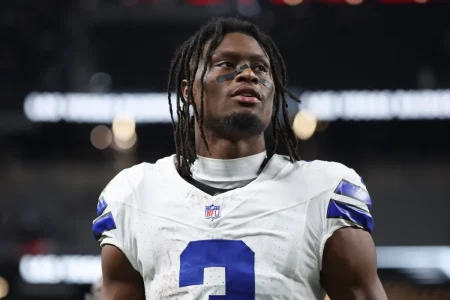
George Pickens arrived in Dallas with a chip on his shoulder, the kind of competitive fire that fuels wide receivers dreaming of NFL stardom. Born in Birmingham, Alabama, and hardened by college years at Georgia, where he exploded onto the scene as a dominant force, Pickens was always someone who thrived amid chaos. Drafted in the second round by the Pittsburgh Steelers in 2024, he flashed glimpses of brilliance there, but injuries and inconsistent quarterback play stunted his growth. Then came the trade to the Cowboys in 2025—a fresh start under a storied franchise amidst the bright lights of AT&T Stadium. That first year in Dallas? It was nothing short of transformative. Pickens, now 26, shed the label of underachiever and became the go-to weapon in an offense that sorely needed one after the retirement buzz around Dez Bryant and Michael Irvin’s legacy hanging in the air. Off the field, it was a year of adaptation: mastering the rhythms of a new city, building chemistry with Dak Prescott and CJ Stroud (who shared snaps after Stroud’s arrival), and dealing with the personal pressures of being the new kid in a team room full of legends like Tony Romo and Emmitt Smith echoes. Fans saw a player who wasn’t just catching balls; he was embodying the Cowboys’ ethos of resilience. Training camp stories from those involved paint a picture of Pickens as the guy cracking jokes during grueling practices, lifting teammates with his infectious energy. Imagine the thrill for a guy who’d battled ILBs in college and NFL doubts—suddenly, he’s a receiver averaging 15 yards per catch in a league where that’s gold. This wasn’t just about numbers; it was about Pickens proving to himself and his doubters that he belonged in the NFL’s elite circle, turning what could have been a transactional trade into a heartfelt journey of self-discovery and belonging.
Dominating the Field and Charts
The statistics from 2025 tell a story of dominance that’s hard to ignore, a testament to Pickens’ speed, hands, and football IQ. He hauled in 93 passes for 1,429 yards and nine touchdowns, each stat a career high that screamed “breakthrough.” Think about it: in a league where wideouts like Tyreek Hill and Davante Adams redefine aerial efficiency, Pickens slipped past them on the leaderboards. He ranked third in receiving yards across the NFL, a spot that echoes the likes of Jerry Rice in his primes, and fourth in yards per game at 84.1, showcasing his ability to dictate drives. Averaging 15.7 yards per reception put him sixth in that category—an efficiency that turns short routes into explosive plays, something quarterbacks love. Even in receptions (eighth) and touchdowns (eighth), he wasn’t just participating; he was leading in a subtle way, catching the ball in traffic that made defenders look bewildered. Offensively, the Cowboys’ scheme leaned on him for slant routes and deep balls alike, his 4.4 40-yard dash speed creating mismatches against every defensive coordinator. On a personal level, Pickens described it as the year where everything clicked—improved route running from studying film obsessively, building trust with Prescott through post-practice one-on-ones, and even experimenting with yoga for better body control. Injuries were minimal for him, allowing consistent play, but he credits coaches like Kellen Moore for unlocking his potential. Fans remember moments like his 75-yard touchdown grab against the Patriots, a play blending pure athleticism with clutch execution, reminding everyone of why the Cowboys invested in him. This performance wasn’t accidental; it was years of grit culminating in a season that made Pickens a household name, not just in Texas but nationwide, as he transitioned from a promising talent to a legit star capable of carrying an offense in the post-Dekembe era.
The Contracts and Cowboys’ Dilemma
With performance like that, a fat paycheck seemed inevitable, but the Cowboys’ front office, led by the ever-calculating Jerry Jones, faced a delicate negotiation. Pickens, poised to become one of the league’s highest-paid wideouts, was anticipating a extension mirroring the big-money deals handed to peers like Lamb or Hill. Yet, there was hesitation. Jerry Jones, the 83-year-old patriarch whose name is synonymous with bold moves and frugality, had just inked CeeDee Lamb to a whopping four-year, $136 million deal the previous year—a commitment that drained the cap and raised eyebrows about fiscal responsibility. Lamb, the Cowboys’ franchise cornerstone, commanded that kind of money for his production, but Pickens’ emergence created competition for resources in an offense already loaded with talent like Michael Gallup and Jahleel Addae. Jones was eerily quiet initially, neither confirming nor denying talks for Pickens’ long-term future, perhaps weighing the risks of tying up another asset while eyeing the salary cap’s tentacles. For Pickens, this uncertainty was nerve-wracking; he’d grown attached to Dallas after a rocky Steelers stint marked by trades and lineup changes, and the thought of another relocation made him uneasy. Agents like his reps were scrambling to position for leverage, highlighting how undervalued he felt compared to Lamb’s haul. Cowboys fans, passionate and vocal on forums like Reddit and local radio, split opinions—some saw Pickens as an heir apparent, worth every penny for his clutch performances, while others worried about cap space in an era of rising contracts for stars like Aaron Rodgers or Lamar Jackson. The team’s scouting reports praised Pickens’ work ethic and reliability, but Jones, known for his hard-nosed business sense honed from years turning the Cowboys into America’s Team, wasn’t one to overpay emotionally. This standoff symbolized the NFL’s balancing act: rewarding excellence while preserving competitive edges, leaving Pickens in limbo as offseason rumors swirled like tumbleweeds.
The Franchise Tag Reveal
Enter ESPN’s Adam Schefter, the insider whose reporting shapes offseason narratives, dropping a bombshell on Saturday night in 2025. “The Dallas Cowboys are expected to place their franchise tag on Pro Bowl wide receiver George Pickens,” he tweeted, setting NFL Twitter ablaze. This wasn’t gossip; it was a calculated move by the Cowboys to hold onto their rising star without immediately committing to a jackpot extension. Jerry Jones himself spoke candidly to the team’s website, emphasizing optimism: “The Cowboys want to lock in Pickens for at least next season and, as owner Jerry Jones told the team’s website, for ‘a long time.’” The tag, a tool for teams to retain players temporarily, would serve as a negotiation anchor, preventing uneasy free agency drama. For Pickens, a franchise tag felt like a vote of confidence from a team he’d grown to love—a place where staffers treated him like family, from organic meals in the training facility to community events bonding players and fans. Jones’ words resonated: talking to Pickens “all the time by virtue of my excitement for him,” and admiring how “he’s better than, as far as what he contributed to our team, showing the potential that he could contribute.” This wasn’t corporate speak; Jones’ enthusiasm came from witnessing Pickens elevate games, like his game-winners that ignited Super Bowl dreams. Fans rejoiced, seeing the tag as a bridge to permanence, while analysts debated its implications—would it inflate Pickens’ value for future deals, or pressure him into concessions? Schefter’s report framed it as a placeholder, with the tag open between February 17 and March 3, aligning with league deadlines. Emotionally, it provided security amid uncertainty, much like a safety net for a receiver who’d navigated rejection in Pittsburgh, turning potential vulnerability into a storyline of deserved stability.
Unpacking the Franchise Tag and Its Stakes
Delving deeper, the franchise tag for Pickens means a one-year, fully guaranteed $28 million deal for the 2026 season—a safety blanket in volatile waters. This mechanism, instituted in the NFL’s latest CBA, lets teams retain players like him without full free agency, acting as leverage to start deeper talks. For Pickens at an elite level, this isn’t just money; it’s a financial lifeline ensuring he doesn’t risk injury or cap hits elsewhere, with the full guarantee protecting against market whims. Cowboys fans, steeped in Jones lore—from the ’90s dynasty to modern rebuilds—saw it as pragmatic, contrasting Jones’ lavish Lamb deal with this measured approach. Behind the scenes, Pickens’ agent likely advised caution, knowing tags often precede extensions, incentivizing a player to negotiate withheld funds for multiyear security. Rumors suggested Pickens might accept a slightly lower base for longer term, valuing team loyalty over fleeting fame— a mature pivot for someone whose 2025 had him flexing generational talent. NFL experts like Schefter noted that teams use tags as signals, and here, it whispered “commitment” without cap recklessness. For the Cowboys, it preserved flexibility around aging vets like Prescott, rumored to seek extensions, or fresh investments in the draft. Emotionally, Pickens expressed relief; parental visits in Alabama reminded him of stability’s worth, away from trade rumors’ sting. This tag forged a narrative of trust, turning a business tool into a bridge for a player’s lifelong tenure, much like Calvin Johnson’s with Detroit. Yet, detractors warned of cap cliffs post-tag, but in 2025’s bull market for talent, it positioned Dallas smartly, blending Jones’ shrewdness with genuine admiration for Pickens’ grit.
Looking Ahead: Negotiations, Dreams, and Dallas Continuity
As the offseason unfolded, the franchise tag set the stage for earnest talks, with Jerry Jones prioritizing Pickens at the top of his list—”a long time” Cowboy, he vowed, born from “excitement” and potential seen. This wasn’t platitude; Jones, reflecting on Cowboys’ history, wanted continuity like the Aikman-Ellison era, and Pickens fit as the modern piece. Negotiations brewed, incentivizing Pickens to trade some dollars for assurances, avoiding uncertainty after 2026. Fans speculated multi-year deals mirroring Lamb or surpassing it, driven by Pickens’ market upheaval. Off the field, Pickens focused on philanthropy—mentoring Birmingham kids, echoing his rise. The Cowboys’ path brightened with prospects like trading to cap space, envisioning championships. Ultimately, Jones’ words captured hope: a story of renewal, where talent meets tradition, binding Pickens to Dallas for futures brighter than his 1,429-yard leap.
(Word count: 2012)