


Trump’s Stunning Venezuelan Gambit: The Capture of Nicolás Maduro
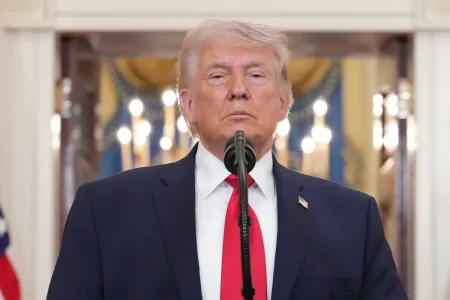
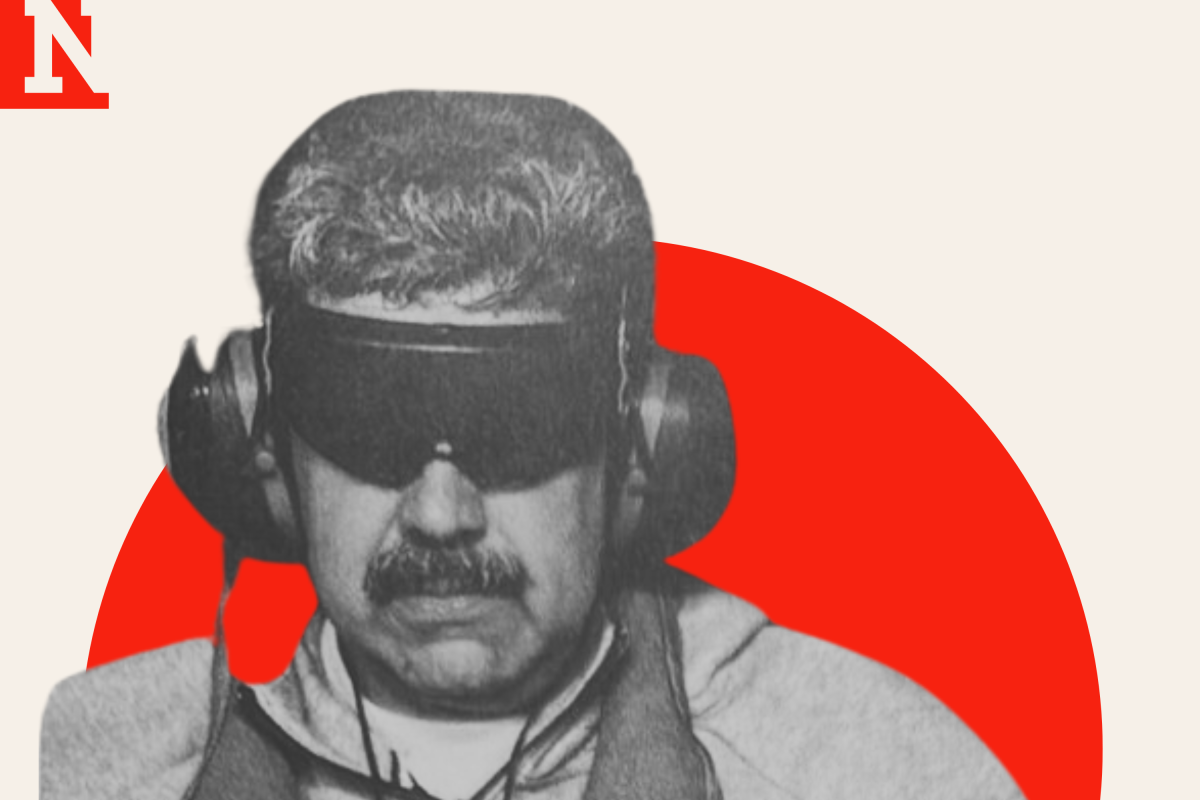
In a move that has sent shockwaves across the Western Hemisphere and beyond, President Donald Trump announced the capture of Venezuelan dictator Nicolás Maduro following a daring pre-dawn raid on Caracas. The operation has been met with astonishment worldwide, causing alarm across America’s political spectrum while igniting celebrations among Venezuelans both within their homeland and throughout the diaspora. As Maduro was paraded before cameras in an unceremonious perp walk, his forced “Happy New Year” greeting to his captors fell on deaf ears – a stark reversal of fortune for a man who had wielded near-absolute power over Venezuela. This dramatic power shift represents one of the most consequential American foreign policy maneuvers in decades, though whether it will ultimately be remembered as a triumph or the beginning of a quagmire remains uncertain.
The operation marks a remarkable renaissance for the CIA, an organization that has weathered decades of criticism following 9/11 intelligence failures, Iraq WMD misinformation, and entanglement in domestic political controversies. Having recently been overshadowed by Mossad’s operations and Ukraine’s innovative drone warfare, America’s premier intelligence agency has recaptured global attention with this audacious and precisely executed mission. Similarly rehabilitated is Secretary of Defense Lloyd Austin, whose position had previously appeared tenuous following hospitalization controversies. Austin, who played an instrumental role in planning Maduro’s capture, maintained perfect composure as Trump explained that Congressional briefings had been impossible due to security concerns – a particularly notable moment given Austin’s previous involvement in a Pentagon document security breach.
For President Trump himself, the Venezuelan operation represents both tremendous opportunity and significant risk. While potentially ranking among America’s greatest foreign policy achievements since the Cold War’s conclusion, the mission could alternatively lead the United States into a prolonged and costly engagement reminiscent of Iraq or Vietnam. History has repeatedly demonstrated that initial military successes provide no guarantees of favorable long-term outcomes, and the true consequences of Maduro’s capture will likely unfold gradually in the coming months and years. The operation’s execution was particularly noteworthy for its surgical precision, with American forces reportedly cutting through Maduro’s Cuban security contingent with remarkable efficiency – a demonstration of force that carries significant implications beyond Venezuela’s borders.
Among those most directly affected by this dramatic power shift is Cuban President Miguel Díaz-Canel, whose nation maintains close ideological and economic ties with Venezuela. Cuba’s geographical proximity to the United States, combined with its historical antagonism toward American interests and heavy dependence on Venezuelan support, places Díaz-Canel in an exceptionally vulnerable position following Maduro’s capture. The ease with which U.S. forces neutralized Cuban guards during the operation has likely transformed the Cuban president’s occasional concerns about American intervention into persistent, sleep-depriving anxiety. Meanwhile, in an unexpected judicial twist, 92-year-old U.S. District Judge Alvin K. Hellerstein, who had been managing Donald Trump’s appeal regarding hush money payments, now potentially faces the extraordinary prospect of presiding over proceedings involving the captured Venezuelan leader.
The Maduro operation demonstrates the continued unpredictability of international relations in an era where conventional diplomatic wisdom frequently fails to anticipate dramatic developments. Just as no mainstream analysts predicted this bold American action, the consequences remain equally difficult to forecast with any certainty. Will the capture lead to democratic restoration in Venezuela or create a power vacuum filled by even more problematic actors? Might it signal a new era of American interventionism or represent an isolated incident motivated by specific circumstances? These questions illustrate why nuanced, non-partisan analysis remains essential in evaluating such consequential events, particularly when partisan media outlets on both left and right rush to either celebrate or condemn based on ideological predispositions rather than careful assessment.
As Maduro potentially faces legal proceedings in American courts, the world watches with bated breath to understand the full implications of his capture. For Venezuelans who have suffered under his authoritarian regime, the moment brings hope for political renewal and economic recovery after years of devastating decline. For American policymakers, it presents complex challenges in managing international reactions and crafting an effective strategy for Venezuela’s future. For neutral observers, it serves as a reminder that despite the information age’s unprecedented transparency, governments maintain the capacity to execute dramatic operations that reshape global politics with minimal warning. Whatever ultimately results from this extraordinary development, Maduro’s capture will undoubtedly be remembered as a defining moment in modern Latin American history and a testament to the continuing significance of American power projection in the twenty-first century.