


Aurora Police Chief Warns Council’s ICE Restrictions Could Jeopardize Public Safety
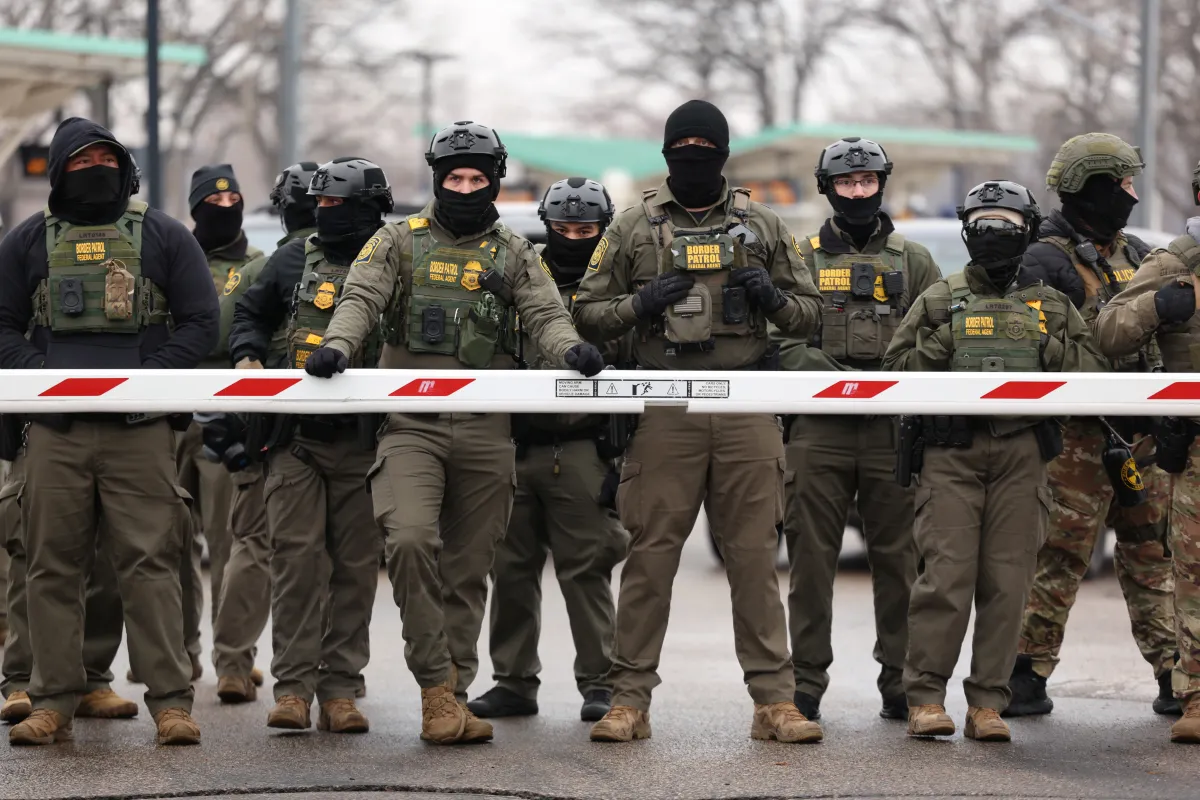
In a significant development that highlights the ongoing tension between local governance and federal immigration enforcement, Aurora, Colorado’s Police Chief Todd Chamberlain has expressed serious concerns about the city council’s recent decision to limit cooperation with Immigration and Customs Enforcement (ICE). The council’s resolution, which passed Monday night, not only condemned the killing of Renee Good by an ICE agent in Minnesota but also directed city management to restrict collaboration with the federal agency and its affiliates. This move comes amid heightened national discourse about immigration policy, with President Trump specifically pointing to issues with Venezuelan criminal gangs in Aurora as evidence of problems related to illegal immigration.
Chief Chamberlain, while acknowledging the politically charged nature of immigration enforcement and respecting the council’s authority to make such decisions, warned that this policy shift “will come at a cost” to community safety. In his statement, he emphasized his duty as a law enforcement professional to prioritize public safety above all else, noting that federal partnerships have unfortunately become politicized. “Keeping these partnerships out of the equation of public safety will leave the community more vulnerable to crime and victimization,” Chamberlain cautioned, suggesting that the council’s decision could impede the department’s ability to protect Aurora residents effectively. This perspective highlights the complex balancing act between local autonomy in policing decisions and the potential benefits of interagency cooperation in addressing crime.
The Aurora Police Department has maintained that it does not enforce federal immigration laws and lacks authority to detain individuals on civil immigration detainers—a point Chamberlain reiterated to clarify his department’s role. “The department has stated many times in the past that a person’s legal status in this country is immaterial to our mission of public safety and serving all members of the city of Aurora community,” he explained, drawing a clear line between immigration enforcement and local policing priorities. However, Chamberlain defended the value of partnerships with law enforcement agencies at all levels, including federal ones, in holding criminals accountable regardless of their immigration status. This nuanced stance attempts to separate the politically charged issue of immigration enforcement from the practical realities of inter-agency cooperation in combating crime.
The situation in Aurora reflects a broader national debate about the appropriate relationship between local law enforcement and federal immigration authorities. Critics of close cooperation with ICE argue that such relationships erode trust within immigrant communities, potentially making them less likely to report crimes or cooperate with police investigations out of fear of deportation. Supporters, meanwhile, contend that interagency cooperation is essential for comprehensive public safety strategies, particularly when addressing transnational criminal organizations. The Aurora City Council’s resolution appears to align with a growing trend among progressive municipalities to create clearer boundaries between local policing and federal immigration enforcement, often in response to community concerns about ICE tactics and priorities.
Chief Chamberlain’s warning about the potential consequences of limiting cooperation with federal agencies points to tangible benefits he believes such partnerships have delivered. He cited “enhanced crime-fighting strategies, contributed to measurable reductions in crime and demonstrated their value in advancing our collective mission to make Aurora a safer city to live, work and raise a family.” This practical defense of interagency cooperation frames the issue not as one of immigration policy but of effective law enforcement strategy. The chief’s statement suggests that regardless of one’s position on immigration reform, severing productive relationships between agencies could ultimately harm the very communities such policies aim to protect, including immigrant populations who are often disproportionately victimized by crime.
As this situation continues to develop in Aurora, it exemplifies the challenging intersection of public safety concerns, immigration policy, and local governance that communities across the United States are navigating. The resolution’s passage and the police chief’s response highlight how national political debates about immigration can have concrete impacts on local public safety strategies and community relations. For Aurora residents, the coming months will likely reveal whether the council’s new restrictions actually affect crime rates or police effectiveness as Chief Chamberlain predicts, or whether they succeed in building greater trust between law enforcement and immigrant communities without compromising public safety. This case study from Colorado adds another chapter to the ongoing American conversation about how to balance effective law enforcement with concerns about the proper scope and methods of immigration enforcement in a diverse society.