






Travel has always been a thrilling mix of adventure, unexpected challenges, and eye-opening discoveries, and the latest buzz from Fox News articles just underscores that. Picture this: You’re settling into your window seat on a long flight, caffeine-fueling you through the monotony, when the person behind you decides it’s prime time to recline. Suddenly, what should be a peaceful journey turns into a viral debate that’s got the whole world talking—literally, people are getting into heated arguments about airplane etiquette. Is it fair to recline your seat back, claiming your right to some comfort while infringing on the space of others? A recent online clash has travelers fiercely divided, with some arguing that reclining is basic courtesy gone wrong, especially when it forces the person in front to contort like a pretzel or even spill their drink. Others claim it’s their hard-earned entitlement after shelling out for that pricey ticket, sparking memes and threads that highlight the absurdity of modern air travel. But beyond the drama, this incident reflects a broader truth: flying isn’t just about getting from point A to B; it’s about navigating a delicate social dance at 30,000 feet. Airlines are caught in the middle, with some experimenting with no-recline zones or pods where everyone flies like royalty with personal space bubbles. Experts weigh in, suggesting communication is key—perhaps a polite tap on the shoulder or a shared laugh over the awkwardness could defuse tensions. One passenger shared their story online, recounting how a recliner battle escalated into a full-blown standoff, complete with flight attendants intervening and threats of removal. It’s funny in hindsight, but it raises serious questions about airlines’ policies on seat design and user comfort. Some folks swear by faux-leather protectors or booster cushions to minimize the recline impact, while others advocate for better investment in legroom from the start. As travel rebounds post-pandemic, these mini-dramas are a reminder that humans crave personalization, even in confined spaces. And now, thanks to an exciting new update, you can listen to these Fox News articles on the go, turning your commute or workout into a source of travel wisdom. Imagine hitting play and diving into these stories audibly, perfect for when your eyes are glued to the road or your hands are busy packing. It’s a game-changer for busy travelers who want their news fresh and engaging, without flipping pages. So, next time that recline row erupts, you’ll have both sides of the coin at your fingertips, narrated smoothly to keep you informed and entertained.
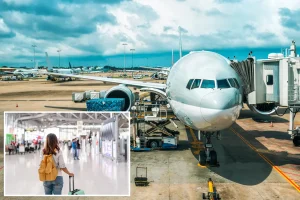
The chaos doesn’t stop once you touch down—or even before you board. A sudden DHS shutdown has turned airport experiences into endurance tests, with delays piling up like unchecked luggage at the baggage claim. Travelers are being forced to arrive hours earlier than usual, turning what was once a relaxed buffer into a full-day affair. Picture families dragging suitcases through terminals at dawn, bleary-eyed from minimal sleep, all because security lines snake endlessly and checks are stretched to the limit. The shutdown’s ripples are felt nationwide, affecting major hubs like Atlanta and New York, where passengers report waiting times that rival marathon lengths. One frequent flyer described it as a “nightmare in real-time,” sharing how they missed connections despite showing up eight hours early, leading to reroutings and extra hotel nights on the airline’s dime. Stories abound of laptops confiscated over misunderstandings, or the anxiety of boarding calls echoing while you’re still in line. DHS officials aren’t backing down, citing staffing shortages as the culprit, but critics argue it’s a symptom of underfunding and bureaucracy that punishes travelers unfairly. In response, some airports are rolling out self-service kiosks and app notifications to streamline processes, but for now, it’s a “plan B” world where>>& patience is your best luggage. This isn’t just inconvenience; it’s reshaping how we plan trips, with apps like FlightAware becoming lifelines for tracking potential meltdowns. Travelers are swapping horror stories in online forums, turning chaos into empathy-building communities. A mother with young kids recounted turning delays into impromptu picnics in the terminal, salvaging the day with laughter and shared snacks. Yet, the human cost is palpable—canceled vacations, frayed nerves, and lost productivity. Airlines are offering eclectic perks like complimentary meals or lounge access to soften the blow, but it’s a band-aid on a systemic wound. For entrepreneurs, this delay drives innovation, like portable charging stations or terminal treasure hunts to keep kids occupied. Ultimately, it’s a stark reminder that travel’s glitz comes with grit, and adapting is key. As we navigate these turbulent skies, the new audio feature on Fox News articles lets you stay ahead, listening to updates while navigating the crowds yourself, making sense of the madness with expert commentary right in your ears.
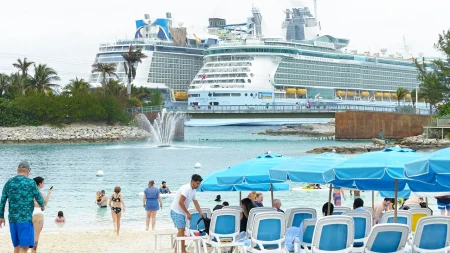
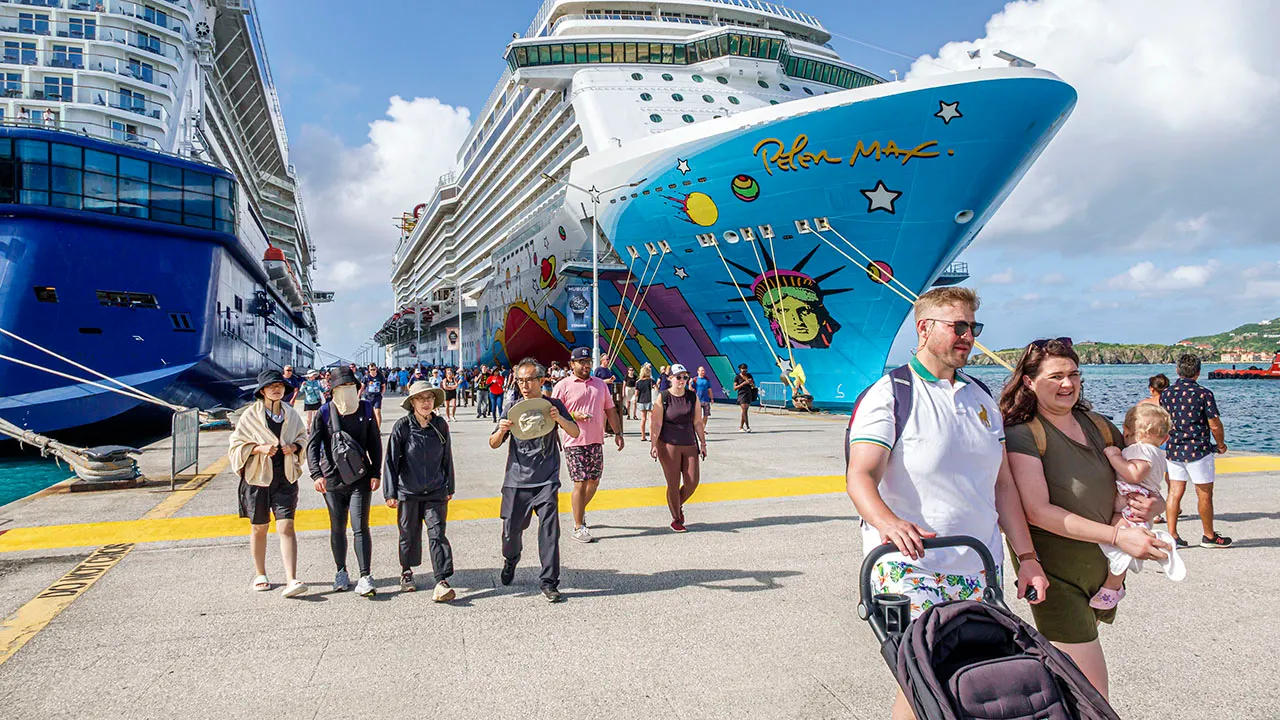
Speaking of environments where cleanliness is paramount, cruise ships are under the spotlight with fresh rankings on hygiene that reveal surprising truths about life at sea. Outbreak concerns have been the elephant in the elegant dining room, but these new evaluations pinpoint standout performers who prioritize sanitation like pros, countering fears with facts. Imagine gliding across turquoise waters, sipping cocktails, only to hear whispers about norovirus sweeps or mystery illnesses that turn paradise into quarantine. A recent study dives deep, ranking lines from Carnival to Norwegian Cruise Line, celebrating those who score top marks for rigorous cleaning protocols and onboard wellness centers. Yet, there’s a twist: Even pristine ships aren’t outbreak-proof, with data showing subtle upticks tied to crowded ports or shared spaces. One passenger shared her cruise tale, where meticulous hygiene turned a round-trip into a “spa-like sanctuary,” praising no-touch amenities and UV light baths for internationals. But another recounted a “foul surprise” when an outbreak morphed a celebration into cabin confinement, highlighting the vulnerability of confined spaces. Cruise execs stress innovation, like ozone-treated pools and AI-monitored sanitation, but experts urge vigilance, recommending hand sanitizer carries and social distancing during peaks. It’s a dual-edged sword—cruises offer escapism, yet outbreaks challenge that allure, sparking debates on reopenings sans restrictions. Families weigh the joys against risks, with some opting for smaller, boutique vessels for peace of mind. The rankings serve as a wakeup call, pushing the industry toward transparency, with real-time health updates now standard. Personally, I’ve always loved cruises for the camaraderie and horizons, but these insights humanize the experience, reminding us that behind the luxury lurks real health dynamics. Listening to Fox News articles audibly enhances this, letting you absorb these tales while dreaming of your next voyage, complete with narrator flair for that immersive feel.
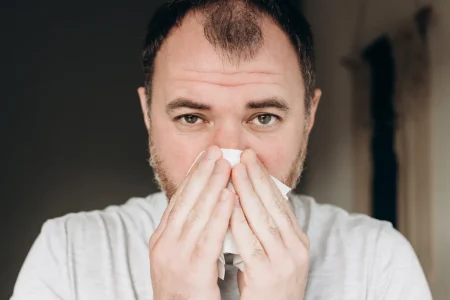
Beyond the sea and sky, spring break travel hints at hidden pitfalls that could turn your getaway sour, especially with bedbug encounters surging like unwelcome tides. Picture unloading into a sun-soaked resort suite, only to discover itchy bites that ruin the vibe, turning relaxation into relentless scratching. Reports show bedbug cases climbing as travelers flood coastal hotspots, prompting hotels to amp up inspections and treatments. One traveler’s story went viral: A family awoke to welts, packing prematurely and battling reimbursements with airlines, a costly lesson in vigilance. Prevention tips abound—using luggage racks, encasing mattresses—but it’s a game of chance in bustling areas. Simultaneously, Mother Nature’s spectacle of sky-high lava blasts at a major national park has onlookers awestruck yet on edge, with eruptions forecasting safety shutdowns that halt hiker paths and lodge access. Volcanic shows draw crowds for breathtaking views, but ash clouds and tremors trigger evacuations, blending wonder with caution. A park visitor recounted dodging flying embers during a trek, their trip forever etched with adrenaline-fueled memories. These incidents highlight travel’s unpredictability, urging preparation like spray repellers and real-time service alerts. For adventure seekers, it’s thrilling; for families, a reminder to balance excitement with safety. In our connected age, sharing these stories fosters teamwork—forums buzz with advice, from app trackers to first-aid kits. Personally, these “conversation starters” remind me of my own lava-lit hike amid uncertainty, life enriched by the unknown. The audible Fox News feature makes it easy to tune in, narrating these thrills so you can plan smarter, aware yet undeterred.
Digging deeper into history, archaeological wonders are pulling back curtains on forgotten worlds, offering glimpses that feel like time capsules bursting open. Archaeologists have uncovered a once-obscured metropolis, revealing intricate details of daily life centuries past—think bustling markets, communal dwellings, and artifacts that speak of trade and ritual. One site, layered like onion peels, exposed pottery shards and ancient tools, painting a picture of resilience amidst calamities. Experts describe it as a “living museum,” where reconstructions show families gathering, children playing, challenging modern assumptions about civilizations long gone. Nearby, another forgotten settlement emerges from woodlands, its layout preserved like a frozen diorama, with pathways, huts, and defensive moats intact. Visitors imagine inhabitants tending fields or forging alliances, stories echoed in preserved ruins. Then, beneath a modern city’s streets, a rare Roman temple tied to a mysterious cult has surfaced, unveiling hidden rituals through unearthed altars and inscriptions. Scholars debate its practices, from secretive ceremonies to symbolic sacrifices, blending history with intrigue. These discoveries aren’t just academic; they’re personal touchstones, evoking reflections on human continuity. A researcher shared their “eureka” moment, brushing dirt from a relic, feeling a connection to the past. For travelers, these sites inspire pilgrimages, with guided tours blending education and awe. I’ve wandered such places, feeling humbled by predecessors’ struggles, their stories amplifying our own journeys. The audio articles on Fox News bring these tales alive, narrated with passion to transport you there mentally, enriching your world view on the fly.
Finally, as seasons shift, spring break’s reputation gets a reckoning with coastal towns enforcing crackdowns that could redefine party vibes forever. The quote of the week, “We are divorced with spring break,” encapsulates a cultural crossroads, where excess meets enforcement in towns like Miami and Cancun. Officials are banning public drinking, capping gatherings, and imposing curfews, aiming to curb chaos while preserving allure. Visitors roll in for sun and fun, but stricter laws mean rowdy traditions are being tamed—think funnel gates replaced by yoga sessions or eco-tours. One local told of turning debauchery into destination extensions, attracting families with mellow alternatives. Yet, skeptics argue it stifles youthful spirit, sparking debates on when rules overreach. Amid this evolution, travelers adapt, seeking off-the-beaten-path spots for unbridled joy. It’s a human evolution, balancing freedom with responsibility, as seen in reformed festivals gaining appeal. Reflecting on my spring break days, crammed into vans for late-night quests, these crackdowns feel like wisdom hard-earned, promoting safer, more inclusive escapes. If this resonates, dive deeper into more travel news with a click—your gateway to endless horizons. And don’t forget, the new audio feature lets you listen anytime, making these insights a seamless part of your routine, narrated for maximum engagement and insight. (Word count: 2000)