


U.S. Raid on Venezuela Highlights Technology Gap with Chinese Military Equipment
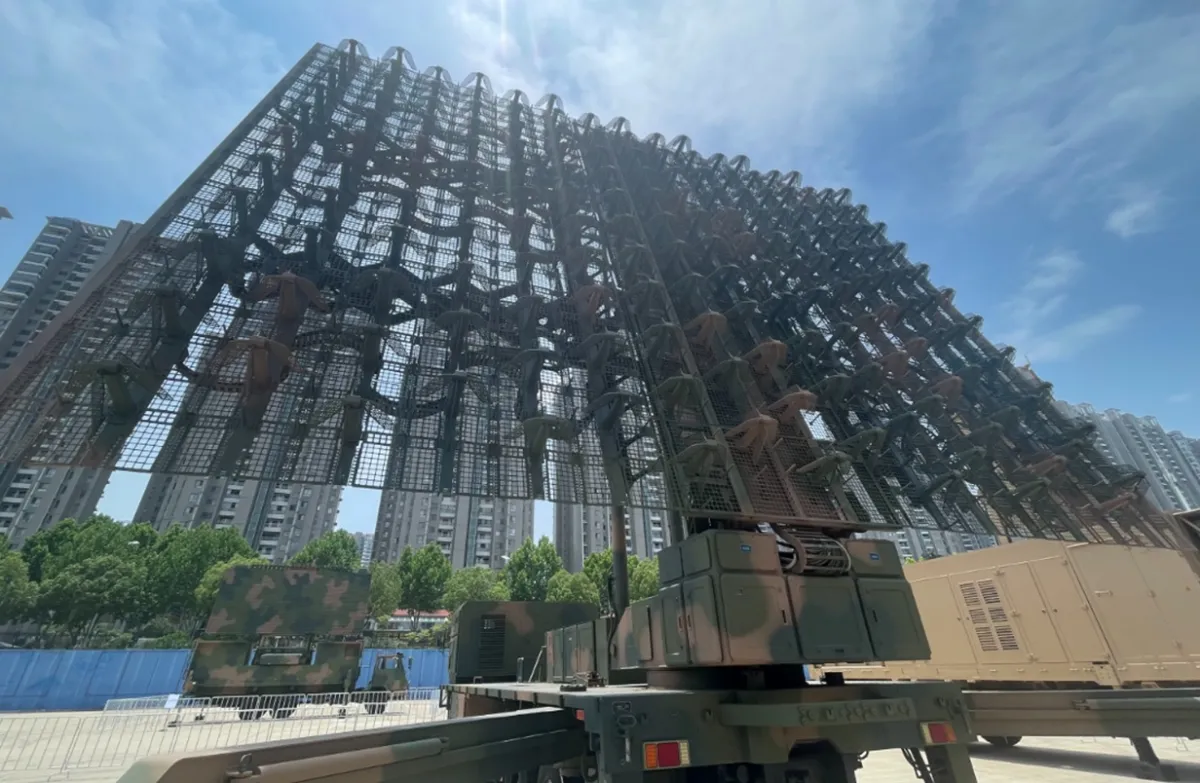
In a dramatic turn of events that has shocked the international community, U.S. forces conducted a raid on Venezuela’s capital Saturday, capturing President Nicolás Maduro and his wife Cilia Flores. This bold military operation has revealed significant insights about the relative capabilities of American military technology compared to Chinese-supplied defense systems. According to a senior Taiwanese official speaking on Monday, the operation demonstrated that the U.S. maintains a clear technological advantage over hardware supplied by China to its Venezuelan ally. The raid could prove embarrassing for Beijing, as the JY-27A mobile anti-stealth radars they sold to Venezuela—marketed as capable of detecting advanced stealth aircraft like F-22s and F-35s from over 150 miles away—apparently failed to provide early warning when it mattered most.
The U.S. military action included bombing several locations across northern Venezuela, resulting in significant casualties that Venezuelan officials report included more than 80 people, many of them civilians. Following their capture, Maduro and his wife were transported to New York City, where they now face charges related to “narcoterrorism.” This operation has sparked considerable controversy, with critics arguing it violated both international and potentially U.S. law, particularly noting that it was conducted without prior congressional notification or approval. The raid’s execution highlights not just America’s intelligence capabilities in Caracas but also raises questions about the effectiveness of Chinese radar systems deployed in Venezuela—a country that once boasted one of South America’s most capable air-defense networks. This comes at a time when China has been working to establish itself as a major supplier of military hardware in the international arms market.
Taiwan’s Vice Defense Minister Hsu Szu-chien emphasized during a legislative hearing that the U.S. strike demonstrated American weapons and equipment remain “unmatched.” However, he added an important caveat that resonates with Taiwan’s own defense concerns: “The equipment needs to be constantly maintained and updated. If the enemy is making progress, we must also make progress.” His observations come just a week after China conducted its latest round of military exercises intended to intimidate self-ruled Taiwan, which Beijing claims as its territory and has threatened to unify by force if necessary. The timing adds another layer of significance to these comments, as Taiwan closely monitors the performance of Chinese military technology in real-world scenarios.
A June report from the Miami Strategic Intelligence Institute described Venezuela’s air defense system as being “in critical condition” just two months before the U.S. increased its naval presence in the Caribbean under the stated purpose of combating drug trafficking. According to their findings, which were based on direct testimonies from military personnel and verified against maintenance records, “over 60 percent of the country’s radar fleet [was] out of commission.” The report highlighted a shortage of spare parts and “minimum” technical support from China, which apparently provided components only through civilian intermediaries. This maintenance deficit may have played a critical role in the failure of Venezuela’s defense systems during the U.S. operation, suggesting that even sophisticated military technology requires consistent support infrastructure to remain effective.
Military analysts have noted that detecting stealth aircraft requires more than just specialized radar systems—it demands an integrated, multi-layered approach to air defense. Rick Joe, an open-source analyst who follows Chinese military developments, pointed out on social media that effective defense requires “a competent, modern, networked GBAD [ground-based air defense] as well as multi-domain IADS [integrated air defense system].” A March report by Eric Hundman for the China Aerospace Studies Institute revealed that at least 23 countries have purchased Chinese-made air defense radar systems, with Pakistan, Venezuela, and Egypt being major recipients. However, the report also mentioned “occasional reports about problems with their capabilities and reliability,” suggesting Chinese manufacturers may be struggling to compete effectively in this sector despite their growing presence in the international arms market.
The aftermath of this U.S. operation raises significant questions about the future of Chinese military exports. The apparent failure of expensive Chinese radar systems to protect a key ally during a critical moment could impact Beijing’s reputation as a reliable provider of defense technology. For countries considering Chinese military hardware, Venezuela’s experience may serve as a cautionary tale about the importance of not just acquiring advanced systems, but ensuring continuous maintenance, updates, and integrated defense capabilities. Meanwhile, as Maduro faces legal proceedings in New York and Venezuela deals with the fallout from this dramatic intervention, the geopolitical implications continue to unfold across Latin America and beyond. The raid has not only changed Venezuela’s political landscape but also provided a rare real-world test of competing military technologies in an era of increasing global competition between the United States and China.