


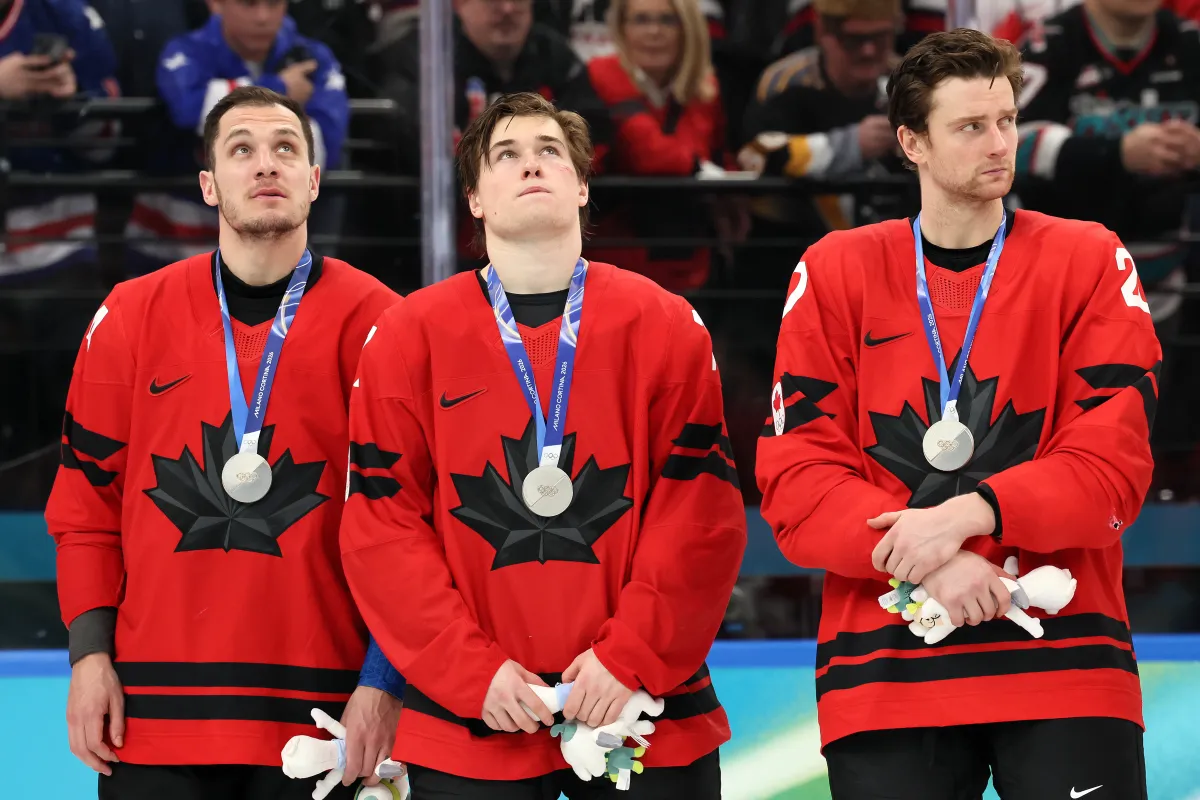
Imagine the roar of the crowd echoing through the arena in Milan and Cortina d’Ambroglio as if time itself had frozen for a split second. It was a Sunday that etched itself into the annals of American sports history, a day when Team USA reclaimed its throne in men’s hockey after a excruciating 46-year drought. Jack Hughes, the young sensation drafted by the New Jersey Devils, wasn’t just scoring a goal—he was delivering a nation’s redemption story. With a slick wrist shot that somehow threaded through the chaos of overtime, Hughes clinched the gold medal, turning potential heartbreak into triumph. The American fans, who had endured the sting of past losses, let out collective sighs of relief mixed with euphoric cheers. For many, it felt like more than a sports victory; it was a vindication of resilience, of holding on when the odds seemed insurmountable. I’d argue that in a world of scripted drama, this game had all the elements of a blockbuster: heroes rising, villains pressing, and a plot twist that defied logic.
But let’s rewind to that electric game. Team Canada, the hockey giants from the north, asserted their dominance early, bombarding the American goal like waves crashing against a stubborn shore. From the second period onward, it was an onslaught, player’s sticks clashing, bodies slamming into boards, and the puck flying in dizzying arcs. Yet, the USA clung to life, their defense a fortress buoyed by the extraordinary acrobatics of goalie Connor Hellebuyck. He stopped everything, from blistering slapshots to sneaky dekes, his movements almost poetic in their desperation. It was a hard-fought battle, one where fatigue set in, and hopes flickered like a damaged lightbulb. Players on both sides skated with hearts pounding, sweat-soaked jerseys clinging to their frames, breaths visible in the crisp arena air. When the final buzzer sounded at regulation, it was tied, forcing overtime—a grueling extension that tested wills. Fans worldwide held their breath, imagining the weight on these athletes: dreams of glory versus the agony of defeat. In the end, perseverance defined the moment, but whispers of something otherworldly began to surface.
Enter the realm of the inexplicable, where sports meet the supernatural, and rational minds start questioning the fabric of reality. Some folks dismiss it as dumb luck, but others, like Canadian sports writer Luke Fox from Sportsnet, saw it as something more enchanting. In his vivid piece, Fox painted the scene vividly: Canada “storming Team USA’s net in hungry waves,” dominating like a well-oiled machine, only to be thwarted by forces unseen. It was almost as if the ice itself conspired against them, with every errant bounce favoring the Americans. Picture Nathan MacKinnon, the Colorado Avalanche superstar, staring down an open net late in the third period, his shot wide and harmless—a miss that could have changed everything. Hellebuyck deserved credit for his saves, but Fox wondered aloud if ghosts or mysterious energies tipped the scales. I mean, think about it: hockey isn’t just a game; it’s a blend of skill, strategy, and that intangible magic that makes legends. As Fox observed, Canada pressed like “paninis,” squeezing the life out of their foes, yet the Americans emerged golden. This narrative adds a layer of intrigue, turning a straightforward victory into a tale of cosmic intervention.
And don’t forget the personal stories that humanize these heroes. Take Quinn Hughes, the USA’s best player throughout the Olympics, who dropped hints of the ethereal during the tournament. In an interview that went semi-viral, he casually mentioned, “Sometimes you hear some funny stuff out there, but yeah, as the people say, I’m usually seeing ghosts, so I’m usually focused on myself.” It was playful banter, but it sparked imaginations—what if the rink is haunted by spirits of past champions? Imagine the Hughes brothers, Jack and Quinn, skating past spectral figures from hockey’s glory days, like Wayne Gretzky or Gordie Howe, whispering encouragements. Canadians might need to tune into those ghosts next time if they want that gold. This isn’t just superstition; it’s a way athletes cope with the pressure, finding humor in the unknown. We’ve all had those moments in life where coincidences pile up, making you wonder about fate. For Team USA, it added a whimsical charm to their triumph, transforming them from underdogs to mystical victors.
Beyond the game, the ripples extended into pop culture and viral sensations. News buzzed about Jack Hughes’ link to a famous Canadian pop star—speculation ran wild, tying the athlete to celebrity worlds. Was romance in the air, or just friendly coincidences? Meanwhile, one USA player’s post-gold meal went viral: a simple, artery-clogging feast of burgers and fries that embodied the raw joy of victory. It was relatable, a reminder that even Olympians are human, craving comfort food after the adrenaline wears off. These stories spread like wildfire on social media, where fans debated endlessly. Was it the ghosts, the stickwork, or sheer will that won the day? One tweet captured it: “Team USA summoned the spirits, Canada needs an exorcist.” Humor like that turns the event into a cultural phenomenon, bridging divides between fans who might otherwise be rivals. In this digital age, sports aren’t isolated; they’re amplified, humanized by memes, debates, and shared anecdotes that make us feel connected.
In reflecting on it all, this Olympics hockey final wasn’t just about medals—it was a testament to how stories endure and evolve. The USA’s win closed a chapter started in Vancouver 16 years ago, where Sidney Crosby’s overtime heroics dashed American dreams. Now, with Hughes mirroring that drama, the cycle feels complete, albeit with a supernatural twist. For Canadians, it might sting, but perhaps they can find solace in the idea that not every game is fair; sometimes, the ice speaks its own language. As for Americans, basking in this long-overdue glory, it reinforces the power of belief—whether in hard work or unseen forces. Hockey, at its core, is passion personified, and events like this remind us why we love it: the suspense, the heart, the wild what-ifs. If ghosts helped secure the gold, maybe we’re all a little more open to the magic in everyday triumphs. Ultimately, in a world full of uncertainties, stories like this hockey classic bring us together, laughing, speculating, and celebrating the human spirit’s unyielding quest for victory.
As we look ahead, it’s hard not to ponder if this sets the stage for more Olympic lore. Team Canada might regroup with anti-ghost strategies, while the USA builds on this momentum. Players like Hughes become icons, inspiring the next generation with tales that blend athletic prowess and whimsy. Imagine kids on rinks everywhere pretending to dodge spectral pucks or hearing whispers of encouragement. This win hums with eternal appeal: perseverance meets the mystical, creating a narrative that’s as engaging as it is unforgettable. In the end, whether you attribute it to Hellebuyck’s heroism, Hughes’ clutch play, or those elusive ghosts, it’s a story that captivates. Olympic Games come and go, but moments like this linger, humanizing the athletes and reminding us of our shared love for the game. For 46 years, Americans longed for this; now, with gold in hand, the future feels brighter, infused with the same spark that makes sports endlessly fascinating.