


A Tale of Snowy Shortfalls: California’s Water Stockpile Struggles Amid Warming Winds
Picture California, that golden coastal dreamland where palm trees sway beside ski slopes, reliant on a silent hero: snowpack. This February, a flurry of cold storms brought a welcome boost, piling on the white stuff like nature’s way of promising a bountiful spring. But as early March dawned, state water officials surveyed the situation and sighed—it’s like filling a giant reservoir with just half the taps open. The Department of Water Resources (DWR) reported their latest snowpack checks, showing things were “in better shape” compared to a bleak January report, yet statewide levels trailed at a disappointing 59% of the typical early-March average and a mere 54% of what we usually see by April 1. For context, last year’s figures at this time stood at a more reassuring 85%, painting a stark picture of a winter that’s been erratic, warm at its edges, and stingy with the steady, deep snow that California so desperately needs. This snow isn’t just a pretty sight; it’s the state’s largest natural water bank, holding back floods and doling out precious liquid gold to thirsty rivers, reservoirs, and farms through the dry months ahead. In a landscape where droughts are becoming as predictable as tourist season, about a third of our annual water comes from melting snow, making it the unsung lifeline for millions—from city dwellers running faucets to farmers irrigating vast valleys. Imagine a family in the San Joaquin Valley, where crop circles stretch endlessly and every drop counts, anxiously watching the weather forecasts, knowing that this lagging snowpack could mean rationing tap water or withered fields by summer. The DWR’s update highlighted a “split season”: mid-February’s fierce, bone-chilling blasts produced decent snowfall, but overall, the accumulation is lagging, especially due to those pesky warmer spells that melt lower elevations into rain instead of snow. It’s a harsh reminder in an age of climate shifts, where our water cycle—once reliable like an old family clock—is now unpredictable, swinging wildly between deluges and droughts. Water managers, those behind-the-scenes guardians, depend on a robust, insulating layer of cold snow to sustain us through prolonged dry stretches, acting as a buffer against the arid uncertainty that scars this state’s history. As one hydrologist might say over coffee in Sacramento, “Snow is insurance against the dry unknown,” but this year, the policy premiums are overdue.
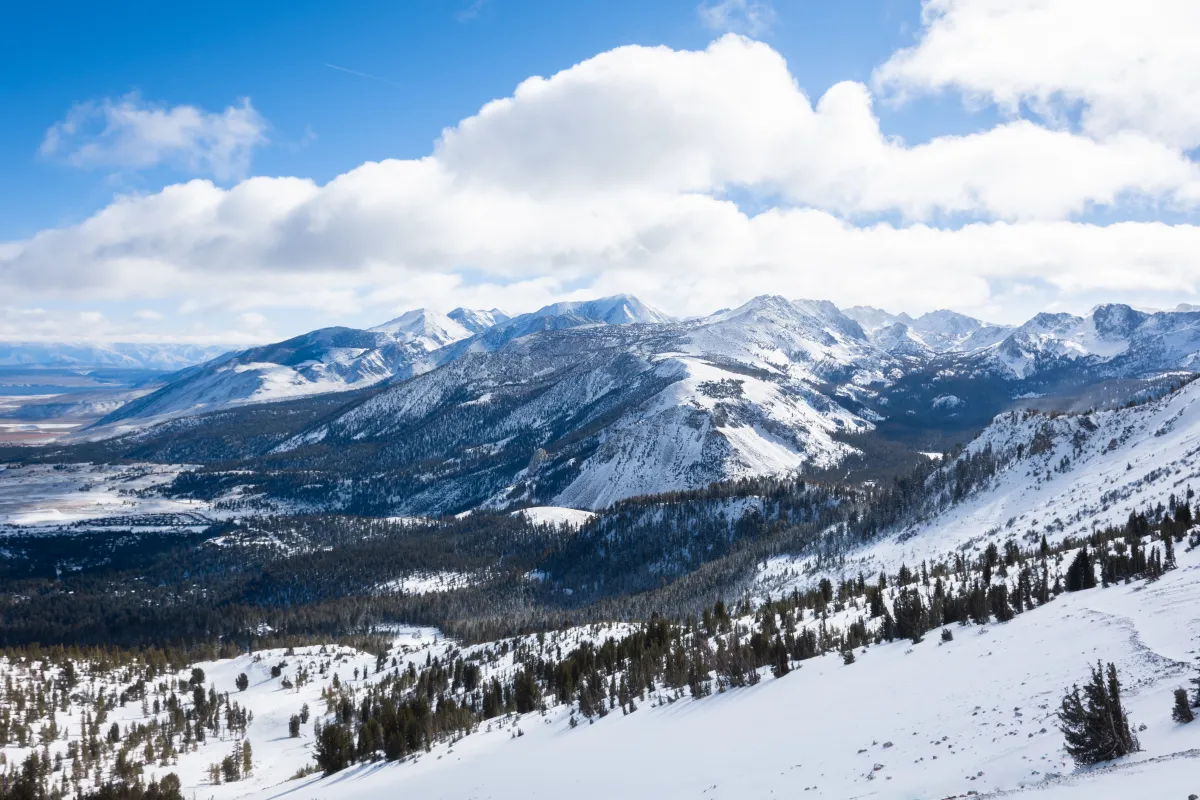
Northern California’s snowpack woes stand out like a gloomy cloud over the region’s rugged mountains, where forested slopes should be blanketed in deep white but instead reveal a troubling scarcity. By March 4, measurements indicated a dismal 38% of normal for this time of year, a far cry from last year’s solid 100%—a figure that now feels like a distant needle in a haystack of hopes. The data paints a rollercoaster story: a sharp upward spike during those mid-February storms, peaking at 53% of normal on February 24, as truckloads of fluffy snow capped the peaks and excited skiers flocked to the resorts like Tahoe or Shasta. But then came the plunge; warmer temperatures and more rain-on-the-avale than snow-on-the-mountain hastened melting, dropping totals back to historical lows for early March. For residents of Northern California, this isn’t just numbers—it’s personal. Think of the small-town fisherman in Trinity Lake, whose livelihood depends on steady runoff feeding rivers teeming with trout, or the community in Klamath Falls, bracing for shorter fishing seasons and economic ripples if reservoirs like Shasta Lake don’t swell. The northern Sierra Nevada and Cascades are the breadbasket for many of the state’s largest reservoirs, drawing from watersheds that fuel everything from hydropower dams to urban water supplies in bustling cities like San Francisco. DWR officials flagged this shortfall as critically concerning, echoing the anxiety of locals who’ve seen wildfires scorch landscapes and droughts parch pastures in past years. In the cozy lodges of Reno, folks gather around fireplaces sharing stories of “the big one” storms that could still turn things around, but with only about a month left in the prime snow-building window before April’s melt begins in earnest, the pressure mounts. It’s a region where culture intertwines with nature—think outdoor enthusiasts bundling up for hikes, only to find trails muddier than expected, or farmers monitoring soil moisture gauges with furrowed brows. The graph of snow levels tells a tale of resilience tinged with urgency, reminding us that California’s water narrative is woven from threads of geography, climate, and human endeavor, each inch of snow a fragile promise in a warming world.
Shifting southward to Central California’s heartland, the snowpack narrative takes a mildly brighter turn, though it still echoes the undertones of caution that pervade the entire state. As of March 4, readings showed 62% of average for this period, outperforming the north but trailing last year’s 76%—a testament to the fleeting fortunes of weather whims. The central Sierra Nevada, with its majestic peaks and shadowed valleys, saw a hearty climb during February’s cold snaps, as icy winds sculpted snowdrifts that inspired awe in Yosemite’s visitors. Peaks like Whitney and Donner caught impressive loads, briefly lifting spirits amid the chill. Yet, just as quickly, the snow retreated, leaving totals hovering around two-thirds of normal, a reminder that nature’s generosity can evaporate like mist in the morning sun. For the people of Central California, this region embodies a blend of rugged beauty and agricultural might—from the bustling Central Valley towns like Fresno, where orchards of almonds and grapes stretch to the horizon, to the outdoor recreation hubs around Lake Tahoe, where families build memories on powder-soft slopes. A vineyard owner in the Sierra foothills might check the snow levels daily, knowing that ample melt translates to fuller irrigation canals, preventing the kind of crop failures that devastated the area during super droughts of 2018. It’s about livelihoods tied to the land: fishermen on reservoirs like New Melones, reliant on steady inflows to support tourism and local economies; hikers scaling trails that could soon turn to dust if springs run dry; even suburbanites in Modesto, worrying about water rates spiking as supplies tighten. The snowpack here isn’t isolated—it’s the source for diverted rivers that quench thirsty metropolises beyond the mountains, making every flake a shared resource. Officials at the DWR emphasize that while better than the north, this region’s vulnerability highlights the delicate balance of California’s water web, where a single warm outburst can unravel months of buildup. In the cozy diners of Bakersfield, conversations turn to ancestral wisdoms of elders who recall wetter winters past, urging adaptation through smarter farming or conservation measures. This central stretch serves as a bridge between extremes, carrying the weight of both hope and hardship in a season that’s forcing Californians to confront a reality where winter storms are fewer but fiercer, and the water they bring feels ever more precious.
Venturing to Southern California’s sun-kissed but snow-attuned portions, we find a sliver of optimism amid the statewide struggle, as the southern Sierra Nevada emerges as the best-performing region thus far. By March 4, snow levels clocked in at an impressive 82% of average for this early March mark, surpassing last year’s 70% and standing as a beacon of potential in an otherwise restrained winter. This southern slice, encompassing peaks like Mount San Gorgonio and elevations near Big Bear Lake, has soaked up the most impactful snowfall, with February’s storms dumping thicker, stickier blankets than elsewhere, delighting snowboarders and nature lovers alike. It’s a relief in a drought-prone zone where resorts thrive on snowy allure, yet the underlying message remains: even here, we’re not out of the woods. For Southern Californians, this snowpack is more than meteorology—it’s the spark for outdoor escapades and a critical sip of relief for arid lands that stretch from the Mojave Desert’s dusty expanses to the sprawling valleys of Los Angeles. Imagine a family from Orange County taking a weekend getaway to Mammoth, exulting in fresh powder runs that mask the anxiety bubbling beneath, as local water agencies like the Metropolitan Water District monitor flows from snowmelt to reservoirs like Silver Lake, envisioning ration lines if volumes fall short. Farmers in the Imperial Valley, far to the south, indirectly benefit too, though desert heat amplifies the stakes—every ounce of runoff from these mountains helps bridge the gap in an ecosystem where rainfall is as rare as a summer snow flurry. The region’s resilience reflects geographical quirks: its higher mountain bases and occasional cold snaps hold snow longer, but it’s not impervious to warmer trends melting it prematurely into ephemeral streams. Conversations in the lively pubs of Joshua Tree might buzz with awe at the southern success, while urbanites in San Diego share stories of ancestors who depended on such winter gifts to fill aqueducts like the Colorado River imports. Yet, the DWR’s data nudges a cautionary note: this area’s lead might wane if April brings more warmth than water. In humanity’s tapestry, Southern California’s snow-clad peaks symbolize hope—a reminder that adaptation is key in a state where temperature rises are reshaping everything from ski seasons to spring floods, compelling us to cherish these fleeting white vistas as guardians of our shared future.
In the midst of these statistical tales, voices from California’s water warriors rise with a mix of pragmatism and alarm, underscoring that the recent gains aren’t nearly sufficient for the road ahead. Andy Reising, Manager of the DWR’s Snow Surveys and Water Supply Forecasting Unit, captured the essence in a press release: “Although the storms we saw in mid-February were some of the coldest and best snow-producing storms we have seen since 2023, they were not enough to get us back to average conditions.” He highlighted the ticking clock—only about a month remains in the prime snow-accumulation season before April 1’s typical peak, and statewide totals linger at 57% of the hoped-for benchmark. Statewide, this shortfall echoes DWR Director Karla Nemeth’s sober assessment: “Water supply in California increasingly depends on a small number of big storms. We face higher drought risk when they don’t arrive and greater urgency to modernize infrastructure to capture water when they do.” She pointed to this winter’s “dramatic wet-dry swings” as evidence of a reshaped water cycle, inevitably altered by rising temperatures that melt snow faster and shift precipitation patterns. For everyday folk, this translates to palpable tensions—schoolteachers in drought-affected areas like the Central Valley preparing lessons on conservation, or engineers hastening dam upgrades to seize storm runoff. The reliance on episodic storms isn’t new, but it’s amplified, turning annual water management into a high-stakes gamble where missing just a few key events can plunge communities into shortages. Imagine the retired mechanic in Eureka, pinching pennies on water bills amid warnings, or the young activist in Oakland organizing rallies for sustainable practices, all driven by these official alarms. Reising’s plea for action resonates: it’s a call to adapt, investing in reservoirs, desalination plants, and smarter allocations to bridge the gaps left by erratic winters. In homes across the state, families tune into local news, discussing Nemeth’s words over dinner—how “ever-warmer average temperatures have reshaped the California water cycle,” urging resilience. This isn’t just about bureaucracy; it’s about human stories woven into policy, where experts like these bridge science and the public’s pulse, reminding us that California’s liquid lifeline demands innovation, not complacency, in the face of a changing planet.
As we delve deeper into the human saga behind California’s snowpack plight, it’s impossible not to ponder the broader ripples—how this winter’s half-empty stockpile might cascade into summer’s sweaty uncertainties, affecting not just ecosystems but the very fabric of daily life. Throughout history, Californians have adapted to their paradoxical landscape: waves of immigrants from Gold Rush days to Silicon Valley dreamers have built cities on the edge of scarcity, turning adversity into ingenuity. Yet, with snow levels lagging, the stakes heighten for farmers who’ve diversified crops or invested in drip irrigation, or for urban planners envisioning “greywater” systems to recycle every drop. The emotional toll is real—a single mother in San Bernardino rationing laundry cycles due to last year’s shortages, her resolve steeled by community potlucks and shared hoses; the elderly vintner in Napa, worrying over vineyard legacies amid potential shortfalls, reminiscing about bountiful harvests of yore. Wildlife, too, bears the brunt: deer herds thinner in the Sierras, salmon runs diminished in northern rivers, ecosystems fraying as melting patterns disrupt breeding cycles. News of underperforming snowpack sparks conversations in coffee shops from San Diego to Sacramento, blending data with personal lore—tales of grandparents’ stories from Dust Bowl-esque droughts, or Gen Z activists amplifying calls for climate action through viral campaigns. Officials’ warnings ignite civic energy, prompting town halls where residents brainstorm solutions like cloud-seeding experiments or massive water storage projects, embodying California’s spirit of reinvention. In polarized times, this issue unites across divides, as communities rally to “keep the center courageous,” funding journalism that bridges facts and factions—even publications like Newsweek, which members support through ad-free access and exclusive insights, fostering informed discourse. Ultimately, this snowpack story is a mirror to humanity’s relationship with nature: a call to cherish resources, innovate boldly, and adapt swiftly before drought’s shadow grows longer. From the Sierra’s snowy heights to coastal kitchens, Californians are reminded that our fate is intertwined with the flakes—each one a fragile drop in the bucket of abundance, urging us toward a more mindful, sustainable future where water isn’t a taken-for-granted luxury, but a cherished lifeline for generations yet to come.