


Supreme Court Rejects Trump’s National Guard Deployment in Illinois
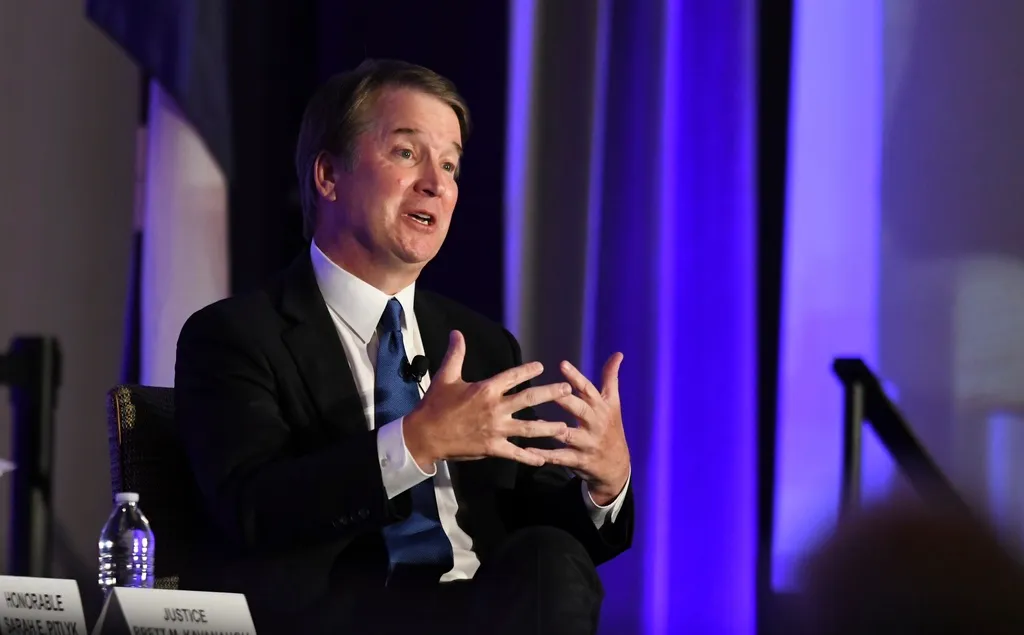
In a significant ruling, the Supreme Court denied the Trump administration’s request to overturn a lower court’s decision that blocked the deployment of National Guard troops in Illinois. This rare rejection from the Court, which typically sides with the administration, raises important questions about presidential authority during crises. Justice Brett Kavanaugh, while concurring with the majority, expressed concern that this interpretation could have “potentially significant implications for future crises that we cannot now foresee.”
The case stems from the Trump administration’s October decision to federalize National Guard troops to protect federal immigration enforcement personnel in Chicago. The administration cited “significant resistance” and “violence” against immigration enforcement efforts in the city as justification. Illinois promptly sued, and a district court barred the deployment, a decision the Supreme Court has now upheld. In its ruling, the Court determined that the government “has not carried its burden” to demonstrate that the law “permits the President to federalize the Guard in the exercise of inherent authority to protect federal personnel and property in Illinois.”
Justice Kavanaugh’s concurring opinion highlighted potential consequences through a hypothetical scenario: imagine a mob gathering outside a federal courthouse, threatening to attack judges and personnel, with local police overwhelmed and federal military forces unable to mobilize quickly. Under this ruling, Kavanaugh suggested, a president might be unable to federalize National Guard units even in such dire circumstances. This interpretation raises serious questions about executive authority during emergencies when federal personnel and property face imminent danger. The ruling comes at a time when immigration enforcement remains a cornerstone of Trump administration policy, with the Department of Homeland Security reporting over 605,000 deportations since January 20, and claiming 1.9 million “voluntary self-deportations” since January 2025.
The decision revealed divisions within the Court’s conservative majority. Justices Samuel Alito and Clarence Thomas dissented, with Alito writing that “the protection of federal officers from potentially lethal attacks should not be thwarted” regardless of one’s views on immigration enforcement. Justice Neil Gorsuch also filed a dissent. The majority held that “the Government has failed to identify a source of authority that would allow the military to execute the laws in Illinois.” This highlights the tension between presidential authority and state governance, particularly regarding the National Guard, which typically remains under gubernatorial control except in specific circumstances.
While National Guard deployments are usually managed by state governors, presidents do have constitutional authority to federalize these troops in certain situations, including civil unrest. This case tests the boundaries of that authority, particularly when state and federal priorities conflict. The Court’s narrow ruling avoided broader pronouncements, with Kavanaugh noting that “the novelty and difficulty of the statutory issues” warranted restraint in going “more broadly than necessary to resolve this application.” This cautious approach reflects the complex constitutional questions at stake about executive power, federalism, and emergency authority.
Though not a final ruling, the decision could significantly impact other lawsuits challenging Trump’s attempts to deploy National Guard troops in Democratic-led cities across the country. It represents a setback for the administration’s aggressive immigration enforcement strategy and could establish precedent limiting presidential authority to use military forces for domestic law enforcement. The case illuminates the ongoing tension between federal immigration policies and local resistance, with the Supreme Court indicating that presidential power, even in the name of protecting federal personnel, has limits that must be respected within our constitutional framework.