






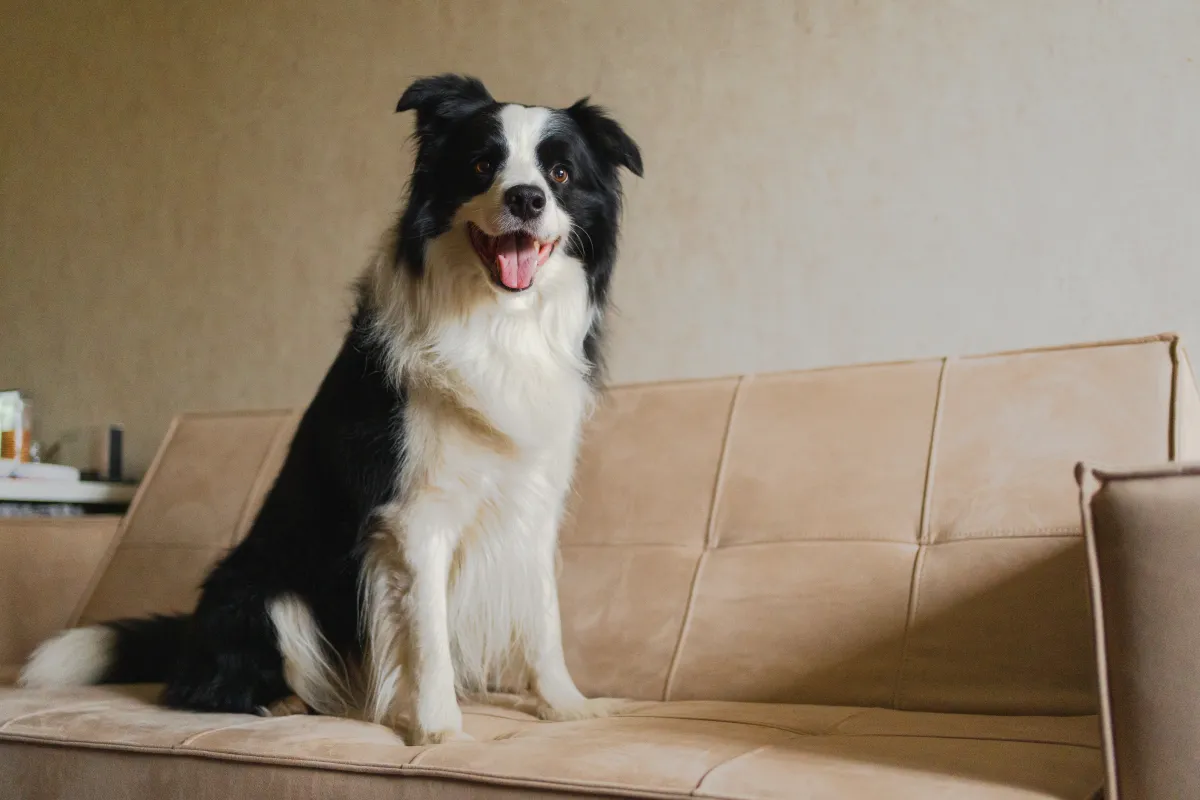
As a dog lover myself, I couldn’t help but chuckle and shake my head when I read about this border collie owner—let’s call her Reddit user u/spacecat245—who got the shock of her life with one of her puppies. Picture this: She posts a cute photo of what looks like a typical border collie pup named Pickle, all floppy ears and that herding-breed energy. But nope, the DNA test results dropped like a bombshell, revealing Pickle wasn’t the purebred she expected. It’s the kind of story that reminds you how unpredictable pets can be, especially in this DNA-testing era where we all think we’ve got our dogs figured out. Growing up with my own mutts, I’ve seen how a simple swipe can turn family stories upside down. This owner was just trying to share her pup’s adorable face online, not realizing it would spark a viral moment on Reddit. It’s heartwarming how the internet can turn personal pet surprises into shared amusement, pulling in folks who relate or just love hearing about fluffy antics.
Diving into the details, the DNA breakdown was wild—it showed Pickle is only 50% border collie, with 41.9% golden retriever and 8.1% Bernese Mountain Dog thrown in. At first glance, Pickle fit the bill with her sleek coat and sharp eyes, the epitome of a working dog’s alert gaze. But genetics don’t lie; that test peeled back layers, showing ancestries from breeds known for their friendliness and size. Golden retrievers are all about those soulful eyes and playfulness, while Bernese Mountain Dogs bring that sturdy, fluffy build—think a gentle giant vibe mixed with herding smarts. It’s like discovering your family’s secret recipe has hidden ingredients from unexpected kitchens. I can imagine her confusion: one minute, she’s cooing over Pickle’s collie-like traits, the next, she’s questioning if the lab mix-up or if her other dog’s golden retriever heritage somehow snuck in. It makes you appreciate how dogs are living tapestries woven from countless histories, each one unique.
What’s even more intriguing is the family backstory—she says all of Pickle’s relatives on the border collie side are 100% purebred. So, how did this mix happen? The owner joked about her other dog, a golden retriever, maybe sneaking some DNA exchange, but the test kit people swear that’s not possible. It’s a mystery wrapped in fur, leaving her baffled and amused. Living with dogs teaches you humility; you think you know their lineages through generations of breeding, but surprise! Pickle proves that not all descendants follow the script. I’ve had similar moments where I’d assume my dog’s behavior stemmed from one breed, only to learn it’s a cocktail of traits. It adds to the charm—pets keep us guessing, turning every walk or cuddle into a potential revelation about their hidden sides.
Now, stepping back, this highlights why mixed-breed dogs are the real MVPs in the pet world. They’re everywhere, from crossbreeds of two purebreds to those free-spirited mutts from generations of mixing, and even indigenous dogs that evolved without human tweaking. Historically, these mixes were the unsung heroes—hunting partners, watchful guardians, hardworking herders, or loyal companions before purebreds became trendy in the 1800s as status symbols. Indigenous dogs, with their sharp instincts but independent streaks, paved the way for many modern breeds. Crossbreeds? They inherit the best of both worlds, blending obedience with energy or assertiveness, depending on their roots. Exercise needs vary—smaller mixes might need brisk walks, while larger ones crave romps—but all thrive on activity. Grooming and nutrition are key too; a balanced diet keeps them healthy, avoiding issues like joint troubles or puppy hypoglycemia. As someone whose adopted rescues are blends of who-knows-what, it’s empowering knowing these dogs often outshine purebreds in adaptability and health.
The Reddit community ate this up with a fork and spoon; the post racked up over 436 upvotes and 80-plus comments in no time. People were equal parts confused and tickled, sharing theories and compliments. One user pointed out how golden retriever coloring is recessive, so most mixes end up black like Pickle, without needing two copies of the gene. Another gushed, “She looks exactly like I’d think that mix would look—amazingly sweet, alert, and smart! Gorgeous puppers!” It’s that online hive mind turning a personal funny bone into collective joy. I love how these threads bring strangers together over pet quirks; it feels like extended family chatting about our furry friends’ oddities. Reading through the comments, you see folks connecting on levels—amusement, advice, pure animal love—that make the internet feel a tad less lonely.
But let’s talk reality: Collies aren’t as common these days outside niche spots like Amish farms or careful breeders who screen for genes like MDR1 (which affects drug reactions) or Collie Eye Anomaly. The commenter nailed it—no surprise about the collie relatives being purebred, likely from tested lines ensuring health. Golden retrievers? They’re everywhere, often backyard-bred without the same scrutiny, which might explain the lack of traced golden relatives. Careless breeding skips costly tests, potentially passing on issues. The owner hit the nail on the head about breeders’ responsibilities; it’s crucial for preventing heartache down the line. Newsweek tried contacting the user for more deets, but couldn’t verify everything—classic social media mystery. Still, it underscores how DNA tests are empowering pet parents, encouraging better breeding practices. If you’ve got hilarious pet tales or pics, shoot them to life@newsweek.com; they might feature in Pet of the Week. In the end, Pickle’s story is a fluffy reminder: Love your dog for who they are, surprises and all—it’s what makes them unforgettable. (Word count: 892)