



Unveiling the Suppressed Story: Venezuelan Deportations to El Salvador’s CECOT Prison
A recent investigative report by 60 Minutes, which CBS News unexpectedly pulled from its Sunday broadcast, has found its way into public view through an unintended release by a Canadian television outlet. The controversial segment explores the fate of Venezuelan migrants deported during the Trump administration, who surprisingly ended up not in Venezuela but in El Salvador’s infamous CECOT maximum security prison. This suppression and subsequent leak of journalistic content raises questions about media transparency and the hidden consequences of U.S. immigration policy that the public rarely gets to witness.
The prison at the center of this controversy, CECOT, represents El Salvadoran President Nayib Bukele’s signature approach to combating gang violence in his country. With a staggering capacity to hold 40,000 inmates, CECOT has been promoted by Salvadoran authorities as the ultimate solution to containing the nation’s most dangerous criminals. The facility has become internationally known for its harsh conditions and the controversial mass incarceration strategy that has filled it. The pulled 60 Minutes segment reportedly provided rare firsthand accounts from Venezuelan deportees confined within CECOT’s walls – individuals who expected deportation to their home country but instead found themselves in a third-country prison system with notorious conditions.
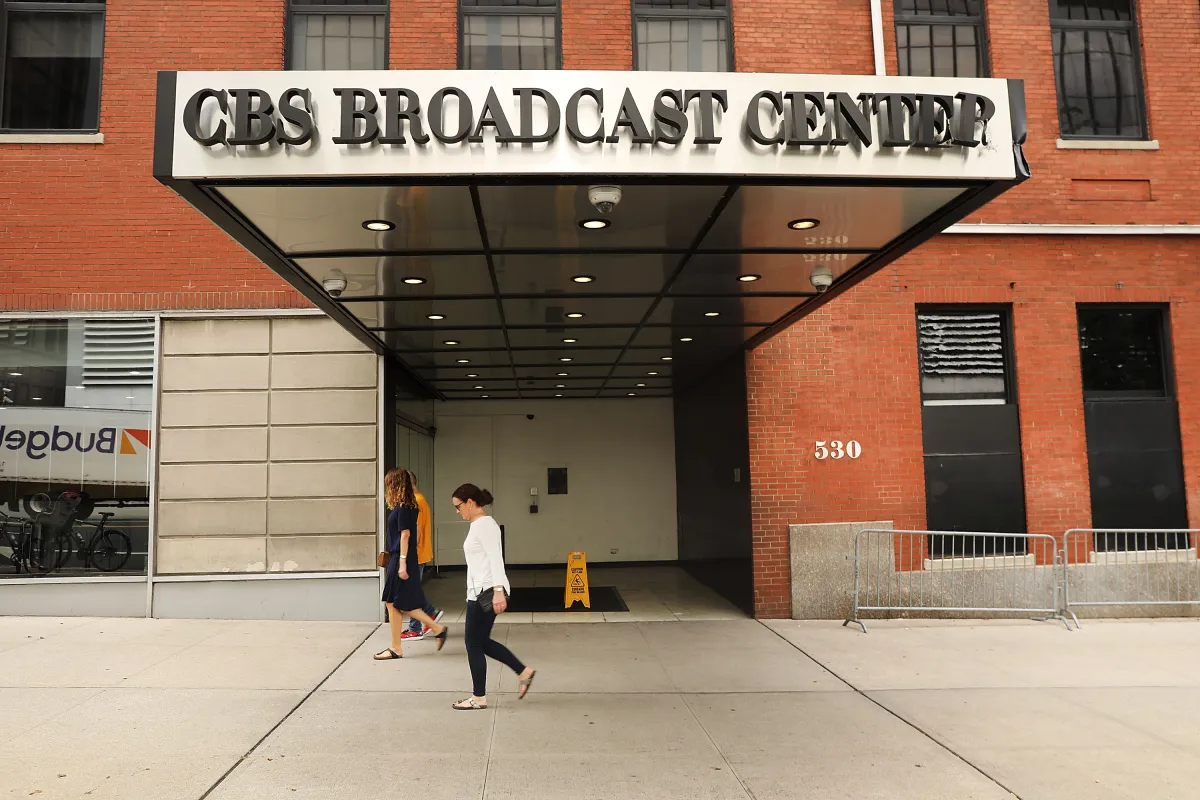
What makes this story particularly compelling is the unusual journey the content has taken to reach the public. CBS News editor-in-chief Bari Weiss made the decision to pull the segment, with the network cryptically announcing on social media: “The broadcast lineup for tonight’s edition of 60 Minutes has been updated. Our report ‘Inside CECOT’ will air in a future broadcast.” However, Global TV, which broadcasts 60 Minutes in Canada, apparently didn’t receive or implement this last-minute programming change. According to The Globe and Mail, the Canadian outlet inadvertently aired the segment on its app before hastily removing it. The digital release created a brief window where the content was available on iCloud before also being taken down, but not before viewers captured and shared it across social media platforms.
The segment’s revelations highlight a troubling and little-known aspect of deportation practices during the Trump administration. Rather than returning migrants to their countries of origin, the investigation suggests that some Venezuelans were transferred to El Salvador and subsequently imprisoned in CECOT. This arrangement raises serious human rights concerns and questions about international law, as deportees would normally expect to be returned to their home nations rather than imprisoned in a third country known for its controversial criminal justice approach. The interviews with these imprisoned migrants reportedly provide a harrowing glimpse into their confusion, fear, and the apparent international agreement that placed them in this situation.
What remains unclear is why CBS chose to pull this particular segment at the last minute. The network’s promise that the report will “air in a future broadcast” leaves room for speculation about whether the content is undergoing additional editorial review, fact-checking, or possibly facing external pressure. The timing of the pullback has generated significant discussion in media circles, with some observers questioning whether political sensitivities surrounding immigration policy might have influenced the decision. Meanwhile, the brief availability of the content through Canadian broadcasting has created precisely the kind of attention that might have been avoided had the segment aired as originally scheduled.
As this story continues to develop, the unauthorized release of the 60 Minutes investigation has transformed what might have been a controlled news cycle into something far more unpredictable. Social media users are now distributing and discussing content that CBS evidently wasn’t yet ready to broadcast to American audiences. The situation highlights the challenges media organizations face in the digital age, where programming decisions that might once have been made quietly now become stories in themselves. For the Venezuelan deportees interviewed in the segment, this unexpected chain of events may ultimately amplify their voices beyond what would have been possible through a conventional broadcast alone, bringing greater scrutiny to both immigration enforcement practices and the international arrangements that determine the fate of those caught in its machinery.