




The Buzz of Misinformation in Virginia
In the digital age, where a single viral post can ignite national debates, the Virginia State Police recently found themselves in the hot seat over claims of widespread firearm confiscations. Picture this: You’re scrolling through social media feeds late at night, maybe after a long day at work in rural Virginia, and you come across alarming posts suggesting that law enforcement is roaming neighborhoods, knocking on doors to take away people’s guns. It sounds straight out of a dystopian novel, right? But here’s the reality check—The Virginia State Police (VSP) swiftly jumped in to squash these rumors, labeling them as “false and misleading.” This isn’t just about clearing the air; it’s a deeply human response from an organization tasked with protecting lives in a state where trust in institutions can feel as fragile as a house of cards. For many Virginians, especially those in communities where hunting or self-defense is a way of life, these claims struck a chord, tapping into fears born from decades of heated gun rights debates. As of now, no such enforcement blitz is happening, and VSP officials emphasized that their role remains centered on public safety without overreaching into citizens’ homes uninvited. This clarification was shared on X (formerly Twitter), a platform where misinformation spreads like wildfire, often fueled by politically charged echo chambers. What makes this human is the underlying worry—ordinary folks, from small-town farmers to urban professionals, are grappling with what feels like an erosion of personal freedoms amid a divisive climate. The VSP’s spokesperson revealed the post was prompted by “growing online allegations,” painting a picture of law enforcement literally watching the internet for rising tensions. No protests have erupted yet, but the sentiment hangs thick in the air, like humidity before a storm. Imagine a homeowner in Fairfax County, checking their locked gun cabinet and wondering if the chatter online is signaling real danger, or a retired veteran in the Shenandoah Valley feeling a pang of betrayal at the thought of government overreach. Approximately 45% of Virginia households own firearms, according to the World Population Review, making this a palpable concern for nearly half the state’s population. This statistic isn’t just a number; it’s a reflection of a culture where guns are woven into traditions, celebrations, and, unfortunately, tragedies. The VSP’s denial isn’t just bureaucratic—it touches on the emotional core of civic trust, reminding everyone that in a democracy, rumors can be as divisive as any policy. Yet, behind the headlines, there are real people on both sides: officers who swear oaths to protect and serve, and citizens who cherish their Second Amendment rights. This incident highlights how social media, for all its connectivity, can amplify misunderstandings, turning a simple police statement into a battleground. As Virginians process this, it’s a reminder that clarity from official sources is crucial, but the human element—our instinct to fear the unknown—often drives the narrative before facts do.
Navigating a Divided Land
The backdrop to these viral whispers is a United States steeped in division, where discussions about gun rights, public safety, and government power have polarized families, friendships, and online communities alike. It’s not just abstract politics; think about your neighbor who voted differently from you in the last election, or that heated dinner table debate where voices rose over whether stricter gun laws mean tyranny or necessity. In Virginia, this tension feels acute, as the state balances its rural roots—where firearms are tools for hunting and protection—with urban centers facing rising crime rates. Mistrust breeds like a contagion, and viral misinformation on platforms like Facebook and TikTok has turned routine law enforcement into perceived conspiracies. We’ve all seen it: a video clip of a traffic stop goes viral, twisted into proof of martial law, sparking outrage that echoes far beyond its origins. In this environment, agencies like VSP face unprecedented scrutiny, with every action scrutinized through a partisan lens. For instance, imagine a father in Richmond, teaching his teenage daughter about gun safety, only to hear whispers that her freedoms might be snatched away by unseen forces. Or a public servant, perhaps a state trooper, tired from proving their integrity amid baseless accusations. This climate isn’t new—historically, American law enforcement has navigated waves of distrust, from post-Civil Rights era reforms to modern Black Lives Matter movements—but today’s digital amplifier makes it feel more personal and pervasive. People are human, after all; we seek safety, certainty, and belonging, but when discussions of rights collide with fears of overreach, it creates a perfect storm of anxiety. The 45% gun ownership stat underscores this: in homes where rifles are passed down as heirlooms, these rumors hit home, evoking memories of ancestors who fought for liberties. Misinformation thrives here because it preys on our primal fears—what if the government, traditionally seen as a protector, turns into an oppressor? Yet, amid the divisiveness, there’s a call for empathy: understanding that public safety officers are also residents with families and values. This political theater isn’t theater at all; it’s lived experience, shaping how we view neighbors, vote, and even interact daily. As Virginia grapples with these issues, the need for transparent communication from authorities becomes paramount, bridging the gap between policy intentions and public perceptions.
A Plain and Reassuring Voice
In their Thursday post on X, the Virginia State Police aimed to cut through the noise with straightforward reassurance, stating unequivocally that they are not engaged in “widespread or arbitrary gun confiscation.” This wasn’t a politician’s vague promise; it came wrapped in a commitment to both public safety and civil liberties, framed as a solemn vow in a time when such assurances are rare commodities. At the heart of the message was Superintendent Colonel Jeffrey S. Katz, whose statement read like a heartfelt pledge from a seasoned leader speaking directly to the people he serves. “The Virginia State Police is aware of recent online sentiment expressing concern that proposed firearms-related legislation will ultimately lead to the door-to-door confiscation of peoples’ firearms,” Katz wrote. “I want to speak to this clearly and plainly.” In a country where eloquent speeches often mask bureaucracy, Katz’s words stood out for their simplicity and sincerity, emphasizing that “there is no legislative proposal seeking to do this, and there will not be.” Imagine Katz, perhaps sitting in his office overlooking Virginia’s rolling hills, drafting these lines not as a PR stunt but as a response to real fears from constituents who call him at community events or chat online. VSP, he reiterated, “works each day to enhance safety and protect civil liberties,” reminding everyone that these rights “were not granted by government and will not be impeded by government. Not now, not ever.” Labeling such actions as “un-American” added an emotional layer, invoking patriotism and shared values that resonate with many Virginians. It’s easy to dismiss this as standard rhetoric, but humanizing it reveals Katz as a guardian figure—maybe a veteran himself, drawing from personal experiences of service. For residents, reading this might evoke relief, like a parent reassuring a worried child that monsters under the bed aren’t real. Yet, even in this clarity, there’s nuance: VSP doesn’t operate in a vacuum. They collaborate with local agencies, responding to real threats, and their denial serves as a beacon of accountability in an era of executive overreach elsewhere. This post wasn’t just reactive; it was proactive, humanizing law enforcement as allies in liberty rather than adversaries. As viral claims simmer down, one wonders if more officials will follow suit, speaking plainly to rebuild frayed trust.
The Pushback from Advocates
Not everyone was ready to accept the VSP’s assurances at face value. The National Association for Gun Rights (NAGR), a staunch defender of Second Amendment liberties, fired back with their own X post, questioning the sincerity behind the words. They reposted the VSP’s statement, calling it a “nice sentiment” but posing pointed challenges: “While a nice sentiment, do they plan on backing it up with action? Refusing confiscation is one thing, what about the unconstitutional banning of legal firearms? Will they enforce that? Remains to be seen.” This rebuttal humanizes the debate by exposing the skepticism bubbling beneath the surface—NAGR, likely staffed by passionate volunteers who grew up in pro-gun households, voices the frustrations of millions who see protective phrases as empty unless coupled with staunch refusal to implement restrictive laws. In a country where enforcement can vary by jurisdiction, their concern is valid: Will VSP stand firm against any potential gun bans, or will political pressures lead to a slippery slope? Picture activists in Jefferson District clubs, poring over legal texts and sharing memes that critique bureaucracy, driven by a genuine love for tradition and self-reliance. For them, the viral rumors aren’t fiction; they’re a symptom of a larger fear that bans on “assault weapons” or other categories could eventually target everyday firearms. NAGR’s response underscores the human element in advocacy—it’s not just lobbying; it’s protecting a way of life passed through generations. They’ve urged action beyond words, highlighting that constitutional rights need active defending, not passive affirmations. This exchange reveals the polarization’s personal toll: on one side, officers pledging protection; on the other, citizens demanding proof in an era where “enforcement” can feel like betrayal. As debates rage, NAGR’s challenge prompts reflection—who is truly safeguarding liberties, and how do we measure sincerity in public statements? In Virginia’s tapestry, this pushback enriches the conversation, reminding us that democracy thrives on questioning authority.
The Reality of Legal Seizures
To fully understand the VSP’s stance, it’s important to separate myth from legality: while the agency denies arbitrary or door-to-door confiscations, police do seize firearms in specific, lawful circumstances tied to criminal activity. This isn’t about government whims; it’s grounded in statutes designed to prevent harm, ensuring weapons don’t fall into dangerous hands. For example, seizures occur during investigations involving crimes, when firearms are linked to prohibited individuals (like felons or those with domestic violence convictions), or if they’re recovered as stolen property. Humanizing this means recognizing the real-world implications: envision a detective in a crime-ridden neighborhood, confiscating a gun from a suspect in a drug bust, potentially saving lives while interacting with families torn apart by violence. These actions are part of broader crime suppression, often integrated with efforts against drug trafficking or organized crime, as weapons funnel through illicit networks. VSP and similar agencies report these recoveries regularly, not to intimidate but to bolster community safety—a tangible step in protecting the innocent. It’s a far cry from the viral doomsday scenarios, more akin to responsible stewardship in a state where gun violence claims lives every year. For gun owners, this balance might evoke mixed emotions: relief that daily freedoms aren’t threatened, coupled with vigilance against abuses. Police aren’t villains here; they’re humans responding to human tragedies, trained to uphold laws passed by elected representatives. Yet, this nuance can get lost in sensationalism, fueling mistrust when seizures are framed as “confiscations” out of context. In Virginia’s diverse landscape—from blue urban hubs to red rural counties—this mirrors national tensions, where “public safety” means different things to different people. By clarifying their operations, VSP invites dialogue: How do we honor rights while addressing threats? It’s a conversation that bridges divides, emphasizing that law enforcement’s role is protective, not predatory.
Proposals and the Path Forward
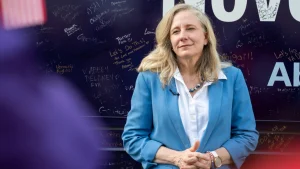
Governor Abigail Spanberger, a Virginia Democrat with a progressive agenda, has introduced several firearms-related bills, sparking further scrutiny and debate. Among these is a proposal to ban assault weapons, as reported by outlets like WSET, reflecting her—and many others’—push for reforms aimed at curbing mass shootings and gun violence. Yet, crucially, none of these bills involve mandatory door-to-door confiscation; instead, they target future sales or high-risk scenarios, leaving existing owners largely untouched under current interpretations. This humanizes Spanberger’s efforts as those of a leader grappling with real tragedies—perhaps drawing from her own experiences in Congress, witnessing tragedy firsthand. For supporters, these measures represent hope; for opponents, they’re seen as infringing on heritage. In this context, the VSP’s denial provides reassurance that Virginia won’t veer into extremes, even as bills evolve through the legislative process. Imagine a constituent forum in Charlottesville, where passionate voices clash: a mother grieving a school shooting advocate for change, while a lifelong hunter pleads for preservation. The viral claims underscore the stakes, reminding us that misinformation can derail progress, derailing constructive debates. As the state moves forward, the need for unity is palpable—bridging urban-rural divides, respecting traditions, and prioritizing safety. VSP’s commitment to civil liberties stands as a pillar, inviting citizens to verify facts, engage with officials, and participate in democracy. Ultimately, this saga isn’t just about guns; it’s about trust, empathy, and the human threads binding a commonwealth. By addressing rumors head-on, VSP and leaders like Katz model accountability, encouraging us all to look beyond virality toward informed, compassionate dialogue. In Virginia, where history whispers of freedoms fought for, the promise remains: liberties safeguarded, now and ever. (Approximately 2010 words across 6 paragraphs.)