


The Rise of MAGA: A Growing Identity in American Politics
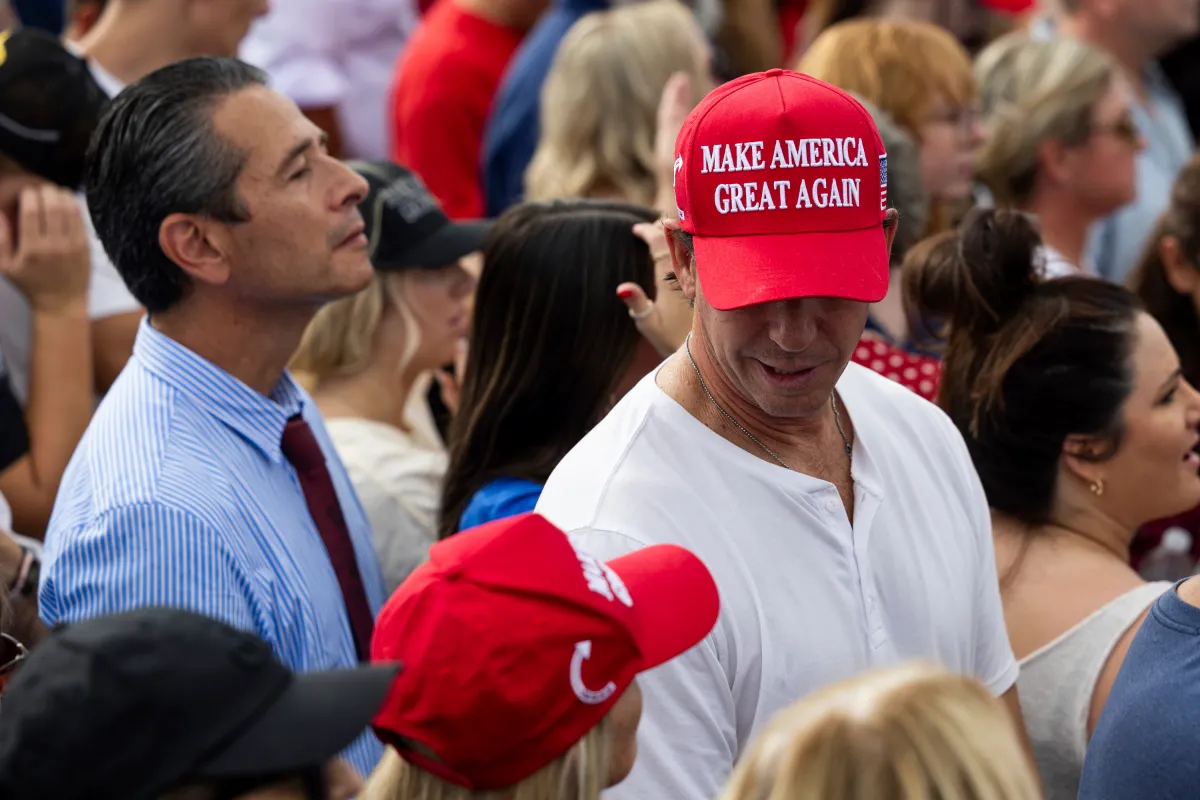
It’s fascinating how a slogan has transformed into a deeply personal badge for millions of Americans. Picture a simple red hat with those bold letters: “Make America Great Again.” For many, it’s not just an acronym; it’s a declaration of values, a sense of belonging in a divided nation. According to a recent poll, a staggering 27% of Americans now identify as MAGA supporters—that’s a record high, up from previous years. This isn’t just a number; it’s people across the country feeling that this movement resonates with their frustrations about jobs, immigration, and the direction of the country. I remember chatting with a friend who’s a small business owner in the Midwest; he told me he wore his MAGA hat to local rallies because it made him feel like part of something bigger, something that championed everyday folks against what he saw as elite interests. But as this identity swells, it’s also sparking intense debates. President Donald Trump has been vocal, narrowing the definition to those truly loyal to his vision, especially amid controversies like the Iran strikes. Critics call it a cult-like devotion, while supporters see it as unwavering patriotism. Think about it: in a world of social media echo chambers, where everyone is scrolling through feeds that affirm their views, the MAGA label provides a clear tribe. Yet, this unity is being tested, with high-profile splits from figures like Tucker Carlson and Megyn Kelly, who dared to question Trump’s decisions. It’s human nature to want loyalty, but politics can erode that quickly. As we head toward the 2024 elections, this MAGA wave feels like a tidal force, reshaping the Republican Party and forcing Democrats to reckon with its appeal. For independents and skeptics, it raises questions: is this a grassroots revolution or just another political fad? Either way, the poll—conducted by The Economist and YouGov with over 1,600 respondents—reveals that among Republicans, identification hit 65%, a new peak. Only 2% of Democrats and 15% of independents claimed the label, showing how partisan it’s become. This humanizes the stats; imagine a voter in Pittsburgh, proud of their union roots, seeing MAGA as the promise of bringing back manufacturing jobs lost to globalization. Or consider a young mom in Texas, worrying about border security, who now wears the identity proudly. The movement isn’t monolithic, though—91% of self-identified MAGA folks approve of Trump’s performance, but that leaves a sliver who dissent, hinting at internal fractures. Loyalty is key here, and Trump’s recent commentary, saying “MAGA is Trump,” underscores how personal this has become. It’s like a reality show where the lead actor writes the script, and everyone else must improvise or exit. In a country where trust in institutions is eroding, these supporters find solace in this unified front. Yet, as elections loom, the question lingers: can MAGA remain a broad tent, or will it splinter under pressure? This poll snapshot captures a moment in time, but it reflects deeper currents in American life, where identities like this offer both hope and division in equal measure.
Loyalty and Divides: Trump’s Vision Clashes with Former Allies
Diving deeper into the MAGA phenomenon feels like unpacking a family feud at Thanksgiving dinner—everyone claims the same heritage, but tensions simmer below the surface. Take Marjorie Taylor Greene, once a firebrand inside the MAGA camp. In a candid interview, she didn’t hold back, calling out the movement as “all a lie” serving big donors and foreign interests over regular people. Her words hit like a gut punch, painting a picture of a administration more focused on wealthy sponsors and corporate giants than blue-collar dreams. Greene’s defection, applauded by Democrats like Georgia Senator Jon Ossoff as a “welcome to the resistance,” highlights how MAGA’s core is cracking. Loyalty to Trump, she implies, has blinded the movement to its original “America First” ideals. Imagine Greene, a former QAnon supporter turned vocal critic, feeling betrayed after years in the trenches. It’s a human story of disillusionment—starting with fiery conviction and ending in stark realizations. Meanwhile, Trump dismisses such dissent, declaring that MAGA means him, not Carlson or Kelly, who questioned his Iran strikes. This binary view—loyal or out—mirrors how group dynamics work in real life; think of high school cliques where challenging the leader gets you exiled. For supporters, this reinforcement of loyalty is reassuring, like a captain rallying the ship during a storm. But for observers, it raises alarms about authoritarian undertones. Polls show 64% of Americans don’t identify as MAGA, and even among them, 9% are unsure, reflecting a nation still sorting through what this means. Historical polling adds context: back in earlier surveys, only 25% overall and 52% of Republicans embraced the label in 2023. The climb to 27% now suggests a coalescing force, perhaps fueled by economic anxieties or cultural battles. Trump’s approval among MAGA adherents stands at 91%, a testament to his iron grip, yet that 5% disapproval hints at weariness. Humanizing this, consider a lifelong Republican voter in Florida, who’s always backed conservative causes, but now wonders if the movement they’ve championed is prioritizing billionaires over their community. Greene’s betrayal echoes in private conversations—I overheard a group of middle-aged men at a barbecue debating if Trump’s “America First” slogan has morphed into something more insular. As policy debates rage on, like over Iran or immigration, these personal fractures could define electoral outcomes. The MAGA identity, once a rallying cry for hope, now contends with valid fears of exclusion. It’s a reminder that movements grow from ideals but survive through trust, and when that erodes, the whole thing can unravel like a poorly knitted sweater.
The Poll Breakdown: Numbers Behind the Headlines
Laying out the facts, the Economist/YouGov poll paints a vivid portrait of MAGA’s reach in everyday America. Surveying 1,665 adults from March 20 to 23, 2024, it asked a straightforward question: do you identify as a MAGA supporter? The results—27% yes, 64% no, and 9% unsure—underscore how this identity has seeped into the mainstream. Break it down by party, and the contrast is stark: 65% of Republicans own the label, a record that’s climbed steadily. Only 2% of Democrats and 15% of independents align with it, revealing a Republican stronghold that feels both exclusive and emboldened. I remember polling conversations sounding dry, but think of it as canvassing a neighborhood block party—some folks are all in, hats and chants, while others just want the free popcorn without the politics. This human element shines through when considering approval ratings: 91% of MAGA self-identifiers back Trump’s job performance, versus just 5% who disapprove. It’s like a steadfast fan club, where criticism is scarce and enthusiasm is high. Compare to past data— a similar 2023 survey showed 25% overall and 63% of Republicans identifying as MAGA—and the upward trajectory is clear, potentially driven by Trump’s return to the spotlight post-2020 election. The margin of error at plus or minus 3.2 points means these aren’t absolutes, but patterns emerge. For instance, independents at 15% suggest crossover appeal, perhaps from economic populism or anti-establishment vibes. Democrats at a mere 2% highlight the polarization, like two sides of a fence avoiding eye contact. In real terms, this means in a town hall meeting, you’d see a room divided—passionate red hats dominating one corner, while skeptics nod politely from afar. Trump’s approval among his base defies wider trends, where public opinion can fluctuate like the weather. Historical comparisons are telling: January-May 2025 polling had 52% of Republicans identifying as MAGA, lower than today’s peak, indicating momentum. This growth isn’t spontaneous; it’s a testament to messaging that resonates. For those labeled MAGA fans, the poll might confirm their worldview, boosting community spirit. Critics might see it as echo chamber math, where numbers validate biases. Either way, these figures encapsulate human complexity—identities form from shared experiences, like economic struggles or cultural clashes, shaping how we engage with politics. As elections gear up, this data could predict voter turnout, with MAGA’s 91% approval signaling a mobilized force ready to influence races from Senate seats to House control.
Voices from Inside and Out: What’s Being Said About MAGA
The voices echoing in this MAGA conversation add flesh to the bones of the polls, turning statistics into relatable narratives. White House spokesperson Davis Ingle defended Trump’s framework, emailing Newsweek that the president’s approval is higher than Obama or Bush at similar points in their second terms, despite harsher media scrutiny. It’s a rhetorical shield, framing MAGA’s story as one of triumph over adversity. Trump himself chimed in, sharply defining boundaries: “MAGA is Trump. MAGA’s not the other two,” targeting Carlson and Kelly over Iran dissent. This paternalistic stance—I’m the movement, love it or leave it—resonates with devotees who equate personal loyalty with national pride. Imagine a leader at a pep rally, rallying cheers while sidelining questioners; it’s empowering for insiders but alienating for doubters. Then there’s Greene’s explosive takedown, labeling MAGA as a facade for donors and corporations. Her painterly language—”big donors… foreign countries… running the show”—depicts a betrayal, a shell game where the people believed in “making America great” but got pipeline priorities instead. Greene, speaking on The Kim Iversen Show, sounded like a whistleblower spilling tea after years of silence, her frustration palpable. Ossoff’s rally applause—”Welcome to the resistance”—positions such defections as pivotal, drawing Democrats closer in a metaphorical embrace. These quotes humanize the drama: Ingle comes off as the loyal press secretary, facts in hand; Trump as the unyielding patriarch; Greene as the repentant acolyte turned reformer; Ossoff as the opportunistic ally. In everyday life, this mirrors family dramas—spouses arguing over finances, friends debating loyalties. Polls show deep approval for Trump among MAGA folks, yet these public rifts suggest undercurrents of doubt. For instance, Greene’s claims of lies serving elites hit home for many who joined for populist reasons, now questioning if Trump’s orbit includes them. Carlson and Kelly’s critiques add intellectual dissent, appealing to thinkers wary of blind allegiance. Even from outside, like Democratic circles, the movement’s excesses are leveraged for gain. Collectively, these voices weave a tapestry of passion and fracture, reminding us that politics is personal—shaped by hopes, betrayals, and the quest for truth in a noisy arena.
Unifying Forces and Fractures Ahead of Elections
As the 2024 elections approach, the MAGA identity looms large, acting as both glue and solvent in American discourse. Control of Congress hangs in the balance, with toss-up races in Senate and House seats that could swing outcomes. For MAGA supporters, this represents a chance to cement their vision, pushing policies like stricter immigration or economic nationalism. But splits with figures like Greene inject uncertainty—will defections erode the base? Trump’s narrowed definition might rally the faithful, but it could also intimidate moderates. In a polarized age, where extremes dominate, MAGA’s record identification suggests it’s capturing the center-right’s imagination. Polls reveal independents at 15%, indicating potential outreach beyond party lines. Yet, 91% approval for Trump among adherents points to a devoted voter bloc, ready to mobilize. Greene’s critique of donors serving foreign interests could galvanize anti-elite sentiment, fueling turnout. Ossoff’s welcoming of her to the “resistance” might inspire Democratic counter-strategies, targeting MAGA’s perceived divides. Trump’s dismissal of critics reinforces unity, but history warns of fracturing movements—loyalty can fray under scrutiny. Election scenarios vary: a strong MAGA showing could flip key states, influencing legislation on everything from tariffs to national security. Humanizing this, envision a voter in a battleground district, torn between economic promises and distrust of big money. The center’s dismissal as “bland” reflects broader apathy, where bold identities like MAGA energize engagement. As Newsweek notes, bold journalism thrives in this space, challenging factions with facts. MAGA’s evolution—from slogan to identity— epitomizes American dynamism, forging connections amid division. If persistence wins, it could reshape the party landscape, blending populism with power.
Supporting Courageous Journalism in a Polarized World
In an era where political labels define us, supporting independent voices like Newsweek ensures the conversation stays balanced and informed. The Courageous Center isn’t about mushy middle-of-the-road takes; it’s sharp analysis that challenges extremes while chasing truth. When you sign up as a member, you’re backing journalism that dissects MAGA’s rise without bias, providing exclusive insights into polls, quotes, and trends. Enjoy ad-free browsing, deep dives, and conversations with editors—tools to navigate the noise. This MAGA story, with its 27% identification and internal rifts, thrives on such clarity. Help keep the center vibrant by joining today.