





Travel News Digest: From Historical Discoveries to Modern Travel Concerns
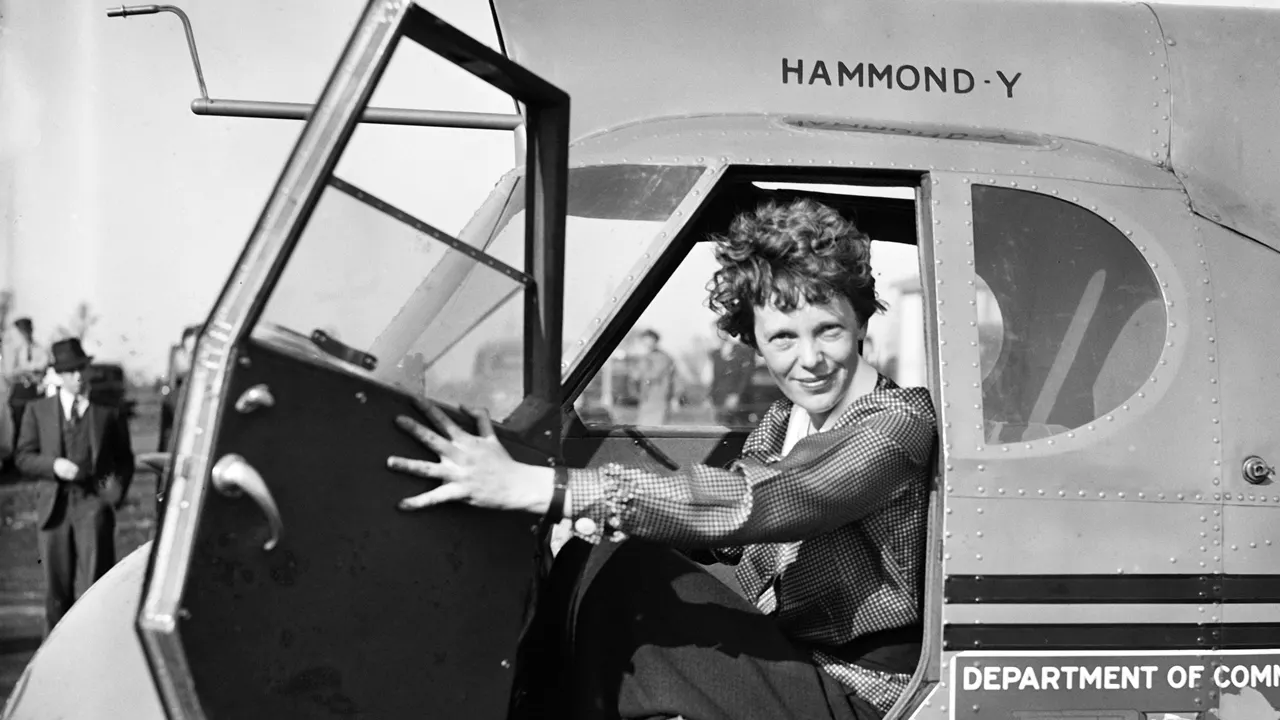
The National Archives has recently unveiled a treasure trove of documents related to Amelia Earhart’s disappearance, shedding new light on this enduring mystery. These papers reveal previously unknown details about Japan’s involvement in the search operations for the pioneering aviator and her navigator Fred Noonan, who vanished over the Pacific Ocean in 1937 during their attempted round-the-world flight. The documents also provide fascinating insights into President Franklin D. Roosevelt’s administration and how they justified the considerable expenses associated with the extensive search efforts. This historical revelation comes at a time when Earhart’s legacy continues to captivate the public imagination, representing both the spirit of adventure and the technological advances of early aviation. The newly released information may help historians piece together more of the puzzle surrounding one of aviation’s greatest mysteries, though many questions about Earhart’s final flight remain unanswered despite decades of speculation and research.
Meanwhile, a beloved Florida destination is embracing the holiday spirit by transforming itself into a spectacular winter wonderland, despite the state’s famously warm climate. This seasonal metamorphosis includes dazzling light displays, festive decorations, and holiday-themed events designed to delight visitors of all ages. The contrast between Florida’s palm trees and sunny beaches with traditional winter holiday decorations creates a unique experience that draws both locals and tourists. This blend of tropical paradise and Christmas cheer demonstrates the creativity and adaptability of tourism destinations that seek to create memorable experiences regardless of natural limitations. The transformation serves as a reminder that holiday traditions can thrive in any environment when imagination and community spirit come together to celebrate the season.
In a remarkable archaeological discovery, researchers have uncovered ancient artifacts emerging from melting mountain ice, providing an extraordinary window into the past. The melting ice revealed a 1,500-year-old wooden hunting facility that was so remarkably preserved it still carried the scent of reindeer. This rare find offers archaeologists unprecedented insights into prehistoric hunting techniques and the relationship between early human societies and their environment. The extraordinary preservation of organic materials, including the lingering animal scent, highlights the unique conditions that ice creates for preserving historical artifacts. As climate change accelerates the melting of glaciers and ice fields worldwide, archaeologists are racing against time to document and preserve these emerging treasures before they deteriorate upon exposure to the elements. This discovery represents both an incredible opportunity for historical research and a poignant reminder of our changing climate’s impact on cultural heritage.
A troubling development for nature enthusiasts and travelers alike comes from Nevada, where health officials have confirmed the presence of a deadly bat disease, prompting authorities to issue travel warnings for certain areas. This disease, likely referring to white-nose syndrome that has devastated bat populations across North America, poses serious ecological concerns as bats play crucial roles in controlling insect populations and pollinating plants. The travel warning aims to prevent human activities from inadvertently spreading the pathogen to new locations, potentially affecting more bat colonies. Visitors to caves and other bat habitats are being advised to take specific precautions, highlighting the delicate balance between tourism and wildlife conservation. This situation demonstrates how travel and ecological health are increasingly interconnected, requiring thoughtful management strategies that protect natural resources while still allowing for responsible exploration and appreciation of natural wonders.
The Centers for Disease Control and Prevention has confirmed a norovirus outbreak aboard a cruise ship that affected nearly 100 people during a November voyage. Specifically, 95 passengers and six crew members fell ill with the highly contagious gastrointestinal illness, which can spread rapidly in enclosed environments like cruise ships. The outbreak serves as a stark reminder of the health challenges that can arise in the travel industry, particularly in settings where large numbers of people share common spaces and facilities. Cruise lines have developed extensive protocols to manage such situations, including enhanced cleaning procedures and isolation of affected individuals, but these incidents continue to occur despite preventive efforts. For travelers, this news underscores the importance of practicing good hygiene while traveling and being aware of health risks that may be associated with different types of vacations. The cruise industry continues to work closely with health authorities to improve prevention measures and response strategies for such outbreaks.
These diverse travel stories—ranging from historical discoveries to modern health concerns—reflect the multifaceted nature of our relationship with travel and exploration. The Amelia Earhart documents remind us of humanity’s enduring spirit of adventure and our fascination with unsolved mysteries of the past. Florida’s holiday transformation showcases how destinations continually reinvent themselves to create new experiences for visitors. The archaeological finds emerging from melting ice highlight the unexpected ways climate change intersects with our understanding of history. Meanwhile, the bat disease warning and cruise ship outbreak demonstrate the ongoing challenges and responsibilities that come with our mobility as travelers. Together, these stories paint a picture of travel as not merely recreation, but as a complex human activity that connects us to history, nature, and each other—sometimes in ways that require caution and care. As we continue to explore our world, these connections remind us that travel is as much about responsibility and awareness as it is about discovery and enjoyment.