





The End of a Long Dry Spell
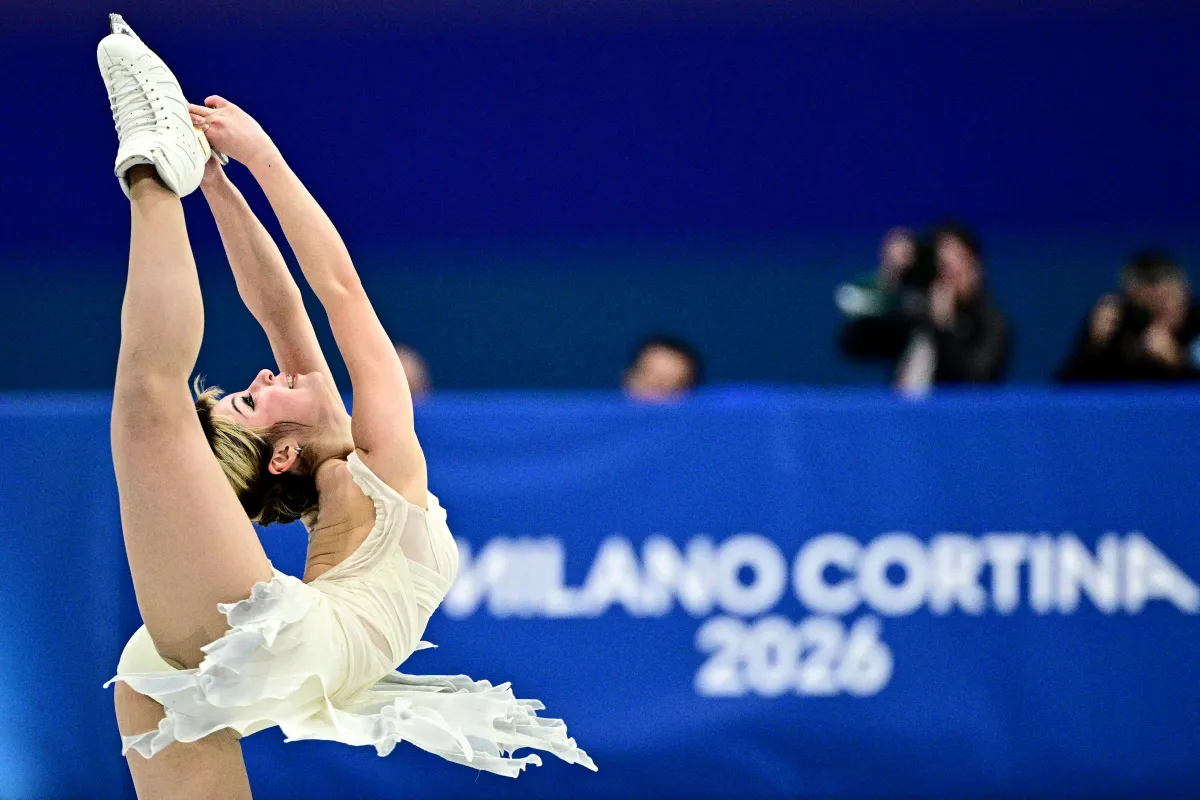
The roar of the crowd echoed through the air in Milano-Cortina, Italy, as Alysa Liu stepped onto the ice for her final performance in the women’s figure skating free skate at the 2026 Winter Olympics. For 24 grueling years, Team USA had waited for another gold medalist in this dazzling sport, a drought that felt like an eternity in the world of glittering costumes and gravity-defying jumps. Since Sarah Hughes soared to victory in Salt Lake City back in 2002, American women had tasted silver and bronze, but gold had remained elusive—a testament to the fierce competition, underestimation of Chinese-American talents, and the sheer pressure of this Olympic spotlight. Alysa, with her delicate build and firecracker spirit, wasn’t supposed to break that curse. But in a twist of fate, she did it flawlessly, nailing every element of her routine to score an astounding 150.20 points. It was a margin of just 1.8 points over Japan’s Kaori Sakamoto, the second-tightest victory under the modern scoring system introduced in 2004, which rewards technical precision over artistry alone. As she skated her heart out, Liu didn’t just perform; she poured out a comeback story that warmed hearts worldwide. Knowing her past struggles, viewers felt a collective lump in their throats. This wasn’t just a win; it was redemption, a girl who once burned out now blazing anew on the grandest stage.
But Alysa’s journey to this podium began not with triumph, but with exhaustion and withdrawal. Just in 2022, at the tender age of 17, she shocked the figure skating community by announcing her retirement. The mental toll of the sport had caught up—endless hours of training, the impossible pursuit of perfection, the isolation from peers her age, all under the watchful eyes of coaches, family, and fans. Alysa had sacrificed her childhood for spins, triple axels, and quadruple jumps, but her mind begged for respite. She quit, stepping away from the rinks that had defined her life, dreaming of college, movies, and the simple joys she missed. Yet, something tugged at her. In March 2024, less than two years into her break, Alysa Liu made a bombshell announcement: she was coming back. Friends speculated it was a spark from watching others succeed or the pull of unfinished business, but in interviews, Alysa softly admitted it was about rediscovering her love for skating on her own terms. No longer the pressure-cooker prodigy, she returned wiser, more mature, balancing training with therapy and self-care. Her coaches, who had seen so many burn out, were cautiously optimistic. Alysa trained privately, sharpening her skills without the glare of competitions, building resilience brick by brick. To the skeptics who doubted a comeback could end in gold, Alysa proved them wrong—not with aggression, but with quiet determination, turning what could have been a forgotten chapter into an Olympic legend.
As the short program scores were announced, Alysa wasn’t even leading; she sat in third place, behind Sakamoto’s elegant yet steady performance and Sakai’s consistent grace. Her own short skate had been good, but not groundbreaking—a solid showing that left room for doubt. But in figure skating, especially at the Olympics, the free skate is where magic happens, where every sequin and breath tells a story. Alysa entered the arena knowing she needed to elevate, to blend her technical prowess with the emotional depth that had been missing from recent American campaigns. Her routine was a tour de force: quadruple jumps that left judges breathless, spins that seemed to defy physics, and choreography that painted pictures of resilience. She executed without a single error, adding nuance that showcased her growth as a skater. The scoreboard reflected her brilliance—150.20, a personal best that catapulted her to 226.79 overall. Sakamoto’s silver at 224.90 was earned through her poise, while Sakai’s bronze at 219.16 highlighted technical strength. But Alysa’s Japanese rivals, formidable as they were, couldn’t match her comeback flair. It was a nail-biting finish; in the world of televised sports, margins like 1.8 points mean everything, turning anticipation into ecstasy. Viewers at home clenched their fists, imagining the weight on Alysa’s shoulders as she awaited the results. When the scores flashed, the venue erupted—not just in cheers, but in a wave of emotion for a girl who had dared to dream again.
Walking through the tunnel afterward, Alysa Liu looked understandably overwhelmed, her eyes wide with disbelief as she spoke to the NBC cameras. “I really can’t process this,” she murmured, her voice shaking just a hint, betraying the vulnerability beneath her champion’s facade. She paused, then added, with a mix of awe and relief, “I liked my skate a lot.” But the moment that truly humanized her victory came during the medal ceremony, when Alysa couldn’t contain her raw joy. As the national anthem played and the gold medal glittered around her neck, she exclaimed into the microphone, “That’s what I’m [expletive] talking bout!” The words, laced with her youthful exuberance and street-smart edge, cut through the formality of the Olympics. It was unscripted, authentic—a young woman letting loose after years of restraint. Followers online erupted in laughter and support, clapping back with memes and shouts of solidarity. Alysa, at 21, wasn’t just a robot of precision; she was a relatable firecracker, someone who’d endured burnout and emerged victorious, reminding everyone that behind the sequins and salchows are real people with frustrations and passions. That exclamation became a viral sensation, symbolizing not just her win, but the triumph of mental health advocacy in sports. Alysa’s response to the pressure showed a softer side too; in post-event chats, she talked about the support from her friends and family, how they believed in her when she doubted herself, weaving her story into the broader narrative of Olympians as everyday heroes.
Alysa Liu’s gold medal places her in an exclusive club, the eighth American woman to claim the title in Olympic history. She joins legends like Sarah Hughes, whose shocker win in 2002 ended a similar dry spell, Tara Lipinski’s youthful victory in 1998 Nagano, and Kristi Yamaguchi’s lyrical dominance in 1992 Albertville. Dorothy Hamill’s charm in 1976 Innsbruck, Peggy Fleming’s grace amid tragedy in 1968 Grenoble, Carol Weiss’s silver-turned-gold drama in 1960 Squaw Valley, and Tenley Albright’s pioneering excellence in 1956 Cortina d’Ampezzo round out the list. Each of these women carried their own burdens—personal losses, near-misses, societal expectations—but Alysa’s story feels particularly modern, a tale of mental health and revival that resonates in today’s fast-paced world. Her teammate Amber Glenn, who rallied from a shaky short program thirteenth-place finish to fifth overall with 214.91, added another layer of camaraderie to the U.S. squad. Amber’s “shaking” incident, as she described it, stemmed from nerves but showcased her grit, turning a potential disappointment into a feel-good underdog narrative. Alysa watched on, knowing the road ahead is long; even as a champion, she plans to pursue education and perhaps coaching, inspiring the next generation to prioritize balance. The Olympics often immortalize moments, but Alysa’s win reminds us that gold isn’t just hardware—it’s the courage to keep going when everything says stop.
In the grand tapestry of Olympic tales, Alysa Liu’s ascent stands as one of the most remarkable chapters in recent memory. From retiring at 17, drained by the sport’s demands, to rising phoenix-like less than two years later for gold, her journey encapsulates hope against the odds. She entered the Milano-Cortina Games as a comeback kid, not the favorite, and exited as a beacon for others facing burnout. Imagine the countless messages she received post-victory: from young skaters quitting due to stress, from athletes in other fields rethinking their ambitions. Alysa’s story humanizes the Olympics, turning statistics into a narrative of perseverance—how a girl from California, whose name once evoked prodigy’s promise, redefined herself on her own terms. The drought for American women’s figure skating gold may be over, but Alysa’s legacy is just beginning. She skated not just for medals, but for the joy she reclaimed, proving that retirement doesn’t have to be forever, and that gold tastes sweetest when earned through personal redemption. As we reflect on this edition of the Games, Alysa reminds us that behind the glitz are stories of resilience, where one person’s triumph can light the way for millions in their own quiet battles. Her victory isn’t just historical; it’s a reminder that dreams can be revived, and that on the ice or in life, the real magic happens when you believe in your own comeback. In the weeks following, as Alysa navigates her newfound fame, her exclamation echoes: that’s what champions are made of—heart, humor, and unrelenting spirit. The podium may glitter, but it’s Alysa’s story that shines brightest, a testament to the human capacity for rebirth.