







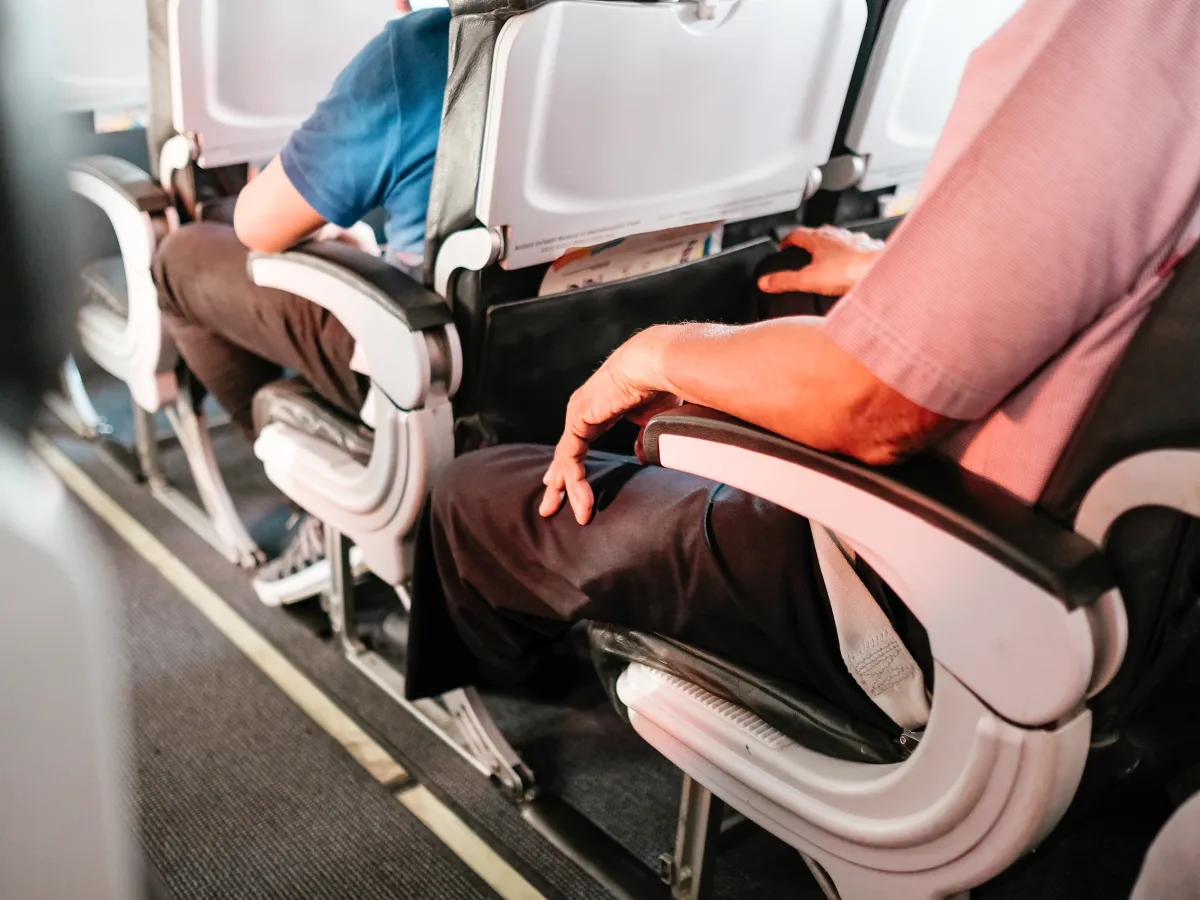
WestJet Pauses Rollout of Non-Reclining Seats Amid Criticism
In a significant shift for air travel comfort, WestJet has temporarily halted its controversial plan to install non-reclining economy seats across its Boeing 737 fleet. The Canadian airline began implementing the fixed-position seats in October as part of a new tiered seating strategy, but the decision quickly sparked backlash from both employees and passengers. Following mounting criticism, particularly from airline workers concerned about health, safety, and passenger comfort, WestJet announced it would pause the reconfiguration work after December 15 to assess feedback during the peak winter travel season. By that time, approximately half of the airline’s all-economy fleet will have already been converted to the new configuration.
The airline’s original plan involved creating multiple seating tiers across 43 Boeing jets, with premium and extended comfort seats available at higher price points while standard economy seats would remain in a fixed, non-reclining position. WestJet claimed in October that half of passengers who tested the new seats actually preferred the fixed design, as it prevented other travelers from encroaching on their personal space. Chief Experience Officer Samantha Taylor had initially championed the design, stating it catered to “diverse preferences” by offering options ranging from premium seating with extra amenities to more affordable tickets with less space. The airline positioned this stratification as providing more choice for consumers with different priorities and budgets.
However, the new configuration faced significant pushback from airline workers. The WestJet contingent of the Canadian Union of Public Employees compared the reduced legroom to ultra-low-cost carriers like Spirit and Frontier, expressing concern about the more cramped conditions making travel more difficult for guests with mobility issues, car seats, or pets. A particular point of contention involved “deadheading” pilots—those who travel as passengers to be repositioned for upcoming work schedules—who worried about their ability to rest adequately in the fixed seats. Pilots reportedly considered filing grievances over the matter, though WestJet maintained that deadhead travel would be managed in accordance with collective agreements. The worker concerns highlighted a growing tension between airline profitability strategies and employee welfare.
Aviation experts and passenger advocates have been vocal about the implications of these seating changes. John Gradek, an aviation management instructor at McGill University, bluntly assessed that taller passengers would find their “knees under their chin” in the new configuration. Air passenger rights advocate Gábor Lukács emphasized that passengers have a right “to be provided a seat that they can actually fit into.” These criticisms reflect broader industry debates about declining passenger comfort as airlines seek to maximize revenue per flight. A 2019 study in the International Journal of Industrial Ergonomics specifically noted that modern airline seats should account for increasing human body sizes, recommending that “seat pitch, leg room and seat width should be increased in many economy class airline seats” and suggesting international regulations for minimum dimensions.
According to an internal memo obtained by The Canadian Press, WestJet Vice President Robert Antoniuk informed staff that the new configuration had already been implemented on 21 planes, with one more to be completed “for the time being.” This represents about half of the originally planned 43 aircraft targeted for reconfiguration. The airline has committed to “continue to gather feedback from guests and employees” during this pause, indicating some willingness to reconsider aspects of the design based on real-world performance. This responsive approach suggests WestJet is attempting to balance its business objectives with passenger and employee satisfaction—a challenging equilibrium in the highly competitive airline industry.
Looking ahead, WestJet plans to resume the rollout in spring, though it remains to be seen whether the design will be modified based on the feedback collected during this assessment period. The controversy highlights the ongoing tension between airlines’ pursuit of operational efficiency and revenue maximization versus passenger comfort and employee well-being. As airlines continue to explore new seating configurations and pricing models, the WestJet case demonstrates how consumer and employee pushback can influence corporate decisions in an industry where comfort has increasingly become a premium offering rather than a standard expectation. The outcome may signal whether fixed recline seats become a new industry norm or if traditional reclining seats remain the expected standard for economy air travel.