






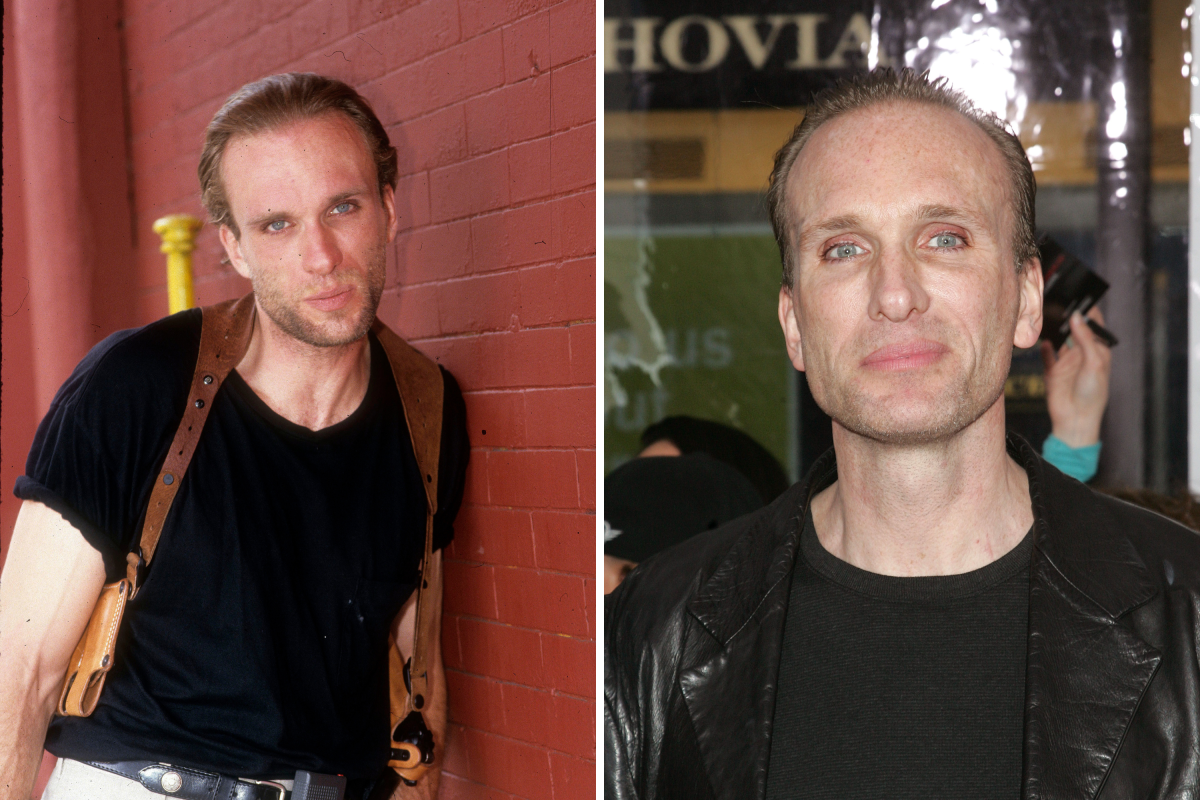
Actor Peter Greene, Star of ‘The Mask’ and ‘Pulp Fiction,’ Dies at 60
In a somber development from New York City, acclaimed character actor Peter Greene was found deceased in his Lower East Side apartment on Friday afternoon. At just 60 years old, Greene—whose menacing presence and intense performances made him a memorable fixture in 1990s cinema—was pronounced dead at the scene after being discovered around 3:25 p.m., according to his manager Gregg Edward in a statement to the New York Post. While authorities have indicated no signs of foul play, the official cause of death remains pending, awaiting determination by the medical examiner.
Greene’s filmography showcases a remarkable talent who often brought complexity to villainous roles, most notably as the sadistic bank robber Zed in Quentin Tarantino’s groundbreaking “Pulp Fiction” and as the gangster Dorian Tyrell in the Jim Carrey blockbuster “The Mask,” both released in 1994. These performances, characterized by Greene’s piercing gaze and ability to project controlled menace, established him as one of Hollywood’s most effective character actors during a golden period of independent filmmaking. Though frequently cast as antagonists, Greene brought nuance and humanity to roles that might have otherwise been one-dimensional in less capable hands.
Born and raised in New York, Greene’s path to acting included time spent as a street performer in the city before finding his way to the screen. His authentic New York sensibility and lived-in demeanor made him particularly effective in crime dramas and thrillers, where his distinctive appearance—sharp features, intense eyes, and lanky frame—became his trademark. Beyond his most famous roles, Greene built a respected career with appearances in films like “Clean, Shaven,” “The Usual Suspects,” and “Training Day,” along with numerous television appearances including “Definite Maybe,” “The Adventures of Pete & Pete,” and “CSI: Crime Scene Investigation.”
The news of Greene’s passing has prompted an outpouring of grief from colleagues and fans who appreciated his contributions to cinema. His manager Gregg Edward offered a heartfelt tribute, calling Greene “truly one of the great actors of our generation” and emphasizing that “his heart was as big as there was.” This sentiment highlights the disconnect often present between Greene’s intimidating on-screen personas and his reportedly warm personal nature. Edward added, “I’m going to miss him. He was a great friend,” giving the public a glimpse into the man behind the memorable characters that defined his professional legacy.
Greene’s death marks another loss for the film community and specifically for fans of 1990s independent cinema, an era when character actors like Greene helped elevate genre films through authentic, compelling performances. Despite never achieving leading man status, Greene’s ability to create unforgettable moments in supporting roles demonstrated his exceptional talent and understanding of how to maximize screen time. His work continues to influence younger generations of actors and filmmakers who study the craft of creating memorable antagonists without resorting to caricature or melodrama.
As the investigation into the circumstances of Greene’s death continues, the focus rightly shifts to celebrating his artistic contributions and acknowledging his unique place in film history. His performances remain embedded in the cultural consciousness, particularly among cinephiles who appreciate the golden age of American independent cinema in which Greene flourished. While additional details regarding memorial services or tributes are yet to emerge, the legacy of Peter Greene’s work ensures he will be remembered not just for the villains he portrayed with such skill, but for the artistic integrity and commitment he brought to every role throughout his three-decade career.