


Denaturalization: The Heavy Price of Broken Trust in American Citizenship
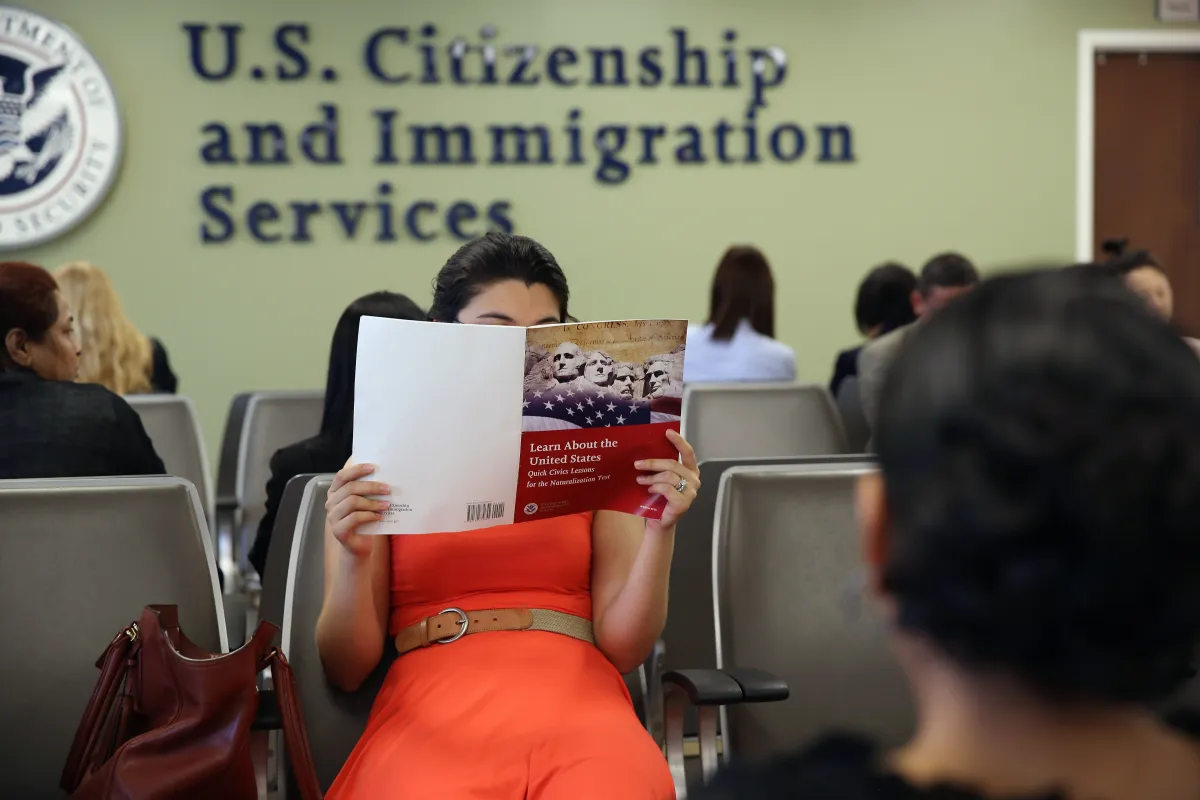
Imagine you’ve built a life in the United States, worked tirelessly to become a citizen after years of navigating paperwork, tests, and interviews. You’ve sworn the oath, raised a family, and contributed to your community. But then, one day, federal officials knock on your door, accusing you of shading the truth during that process. That’s the stark reality of denaturalization—the legal stripping away of U.S. citizenship for those who became citizens through naturalization, not birth. It’s not a casual decision; this can only happen via a federal court ruling after a full-on legal battle, and it’s designed to protect the integrity of what it means to be an American. Why does it matter? Well, citizenship isn’t just a piece of paper—it’s a solemn commitment to honesty and eligibility. Under U.S. law, it can only be revoked in very specific, narrow cases to ensure fairness, but the process exposes the human side of immigration policy: the weighs of suspicion, the fight for redemption, and the potential devastation for families caught in the crossfire. For many immigrants, becoming a citizen feels like the ultimate validation of their American dream, and losing it feels like erasure, often leaving people stateless or vulnerable to deportation. It’s a rare event—far from the mass deportations in headlines—but each case ripples through lives, highlighting how bureaucracy can turn personal.
At the heart of denaturalization are three main grounds, each rooted in the principle that citizenship must be earned fairly. First up is illegal procurement, where someone didn’t actually qualify for citizenship at the time they applied. Picture this: maybe they fudged residency requirements, claimed lawful status they didn’t have, or skipped other hoops mandated by law. It’s not about minor oversights; the bar is high, with the government needing rock-solid proof that the person knowingly bypassed key rules. Second, there’s concealment or willful misrepresentation—essentially lying on applications. This means hiding a crucial fact, like a criminal record or ties to something shady, that would have sunk their citizenship chances from the start. The government has to show the deception was deliberate and material, proving that truth would have changed everything. And third, for those naturalized through military service, citizenship can be yanked if they’re discharged dishonorably before serving the full five years of honorable time. Ties back to their service conditions, not garden-variety fraud. These aren’t abstract legalities; they force people to relive their pasts, sometimes uncovering old mistakes made in desperation or confusion. Experts stress that it’s about facts before naturalization—post-citizenship crimes, like committing a robbery later, don’t qualify for revocation under most statutes. This protects against overreach, ensuring denaturalization targets only flawed beginnings, not life’s ongoing twists.
Behind the scenes, denaturalization is a collaborative ordeal involving heavy hitters like the U.S. Citizenship and Immigration Services (USCIS), the Department of Homeland Security (DHS), and the Department of Justice’s Office of Immigration Litigation. Cases often kick off when USCIS flags red flags during routine reviews—maybe missing records or inconsistencies in old files. They refer it to DOJ for potential litigation, but it’s not an administrative checkmark; everything heads to federal court for a judge’s verdict. The process demands mountains of evidence, high evidentiary standards, and individual litigation, making it resource-draining and case-specific. No blanket decisions here—each person’s story gets its day in court, where the government must convincingly prove wrongdoing. This judicial gatekeeping is crucial for fairness, but it also means denaturalization remains uncommon, a tool for precision rather than broad sweeps. People like Ricky Murray, a former USCIS insider, warn that while referrals might ramp up, the legal hurdles stay the same, so true revocations won’t skyrocket. It’s a system built on checks and balances, where human judgment—judges ruling on intent and fairness—plays the starring role.
In recent years, under the Trump administration, denaturalization has become a sharper focus, with targeted operations amping up fraud detection. Take Operation Janus, which used data matching to unmask duplicate identities and hidden removals—it’s like forensic accounting for immigration files, revealing cases where people buried skeletons. Then there’s Operation Second Look, diving into records with biometric data to catch oversights. And in Minnesota, Operation PARRIS zoomed in on refugee cases, promising enhanced background checks to root out any scams. A DHS spokesperson called it “Ground Zero for the war on fraud,” emphasizing how these efforts protect taxpayers and uphold the rule of law. These initiatives reflect a broader push to weaponize data and tech against loopholes, but they’re not without controversy. Critics see them as aggressive tactics that could unfairly target vulnerable communities, turning immigration policy into a high-stakes game of gotcha. Still, for advocates of integrity, they humanize the process by showing how technology can expose lies, restoring faith in a system often battered by misinformation.
Experts weigh in with nuanced views that capture the human tension at play. Ricky Murray notes that while USCIS might lower internal thresholds for referrals—perhaps sending 100-200 cases a month to DOJ in 2026—the evidentiary burden in court hasn’t budged. It’s like raising a flag more easily but still needing rockets to launch it. Morgan Bailey, with his DHS pedigree, talks about balancing the public’s right to weed out fraud against the chilling effect on immigrants who fear perennial scrutiny. And Amelia Wilson, from the Immigration Justice Clinic, reminds us it’s all about pre-naturalization conduct—fraud in getting citizenship, not later behavior. Their voices echo real dilemmas: Is this about justice or politics? People with immigrant roots, even citizens, might feel unsettled, wondering if their story could be next on the chopping block. It’s not just policy; it’s personal, affecting mental health, family stability, and identity—denaturalized individuals often face uncertainty, divided loyalties, and the sting of “what if?”
Historically, denaturalization has popped up in pivotal moments, underscoring its role as a tool of accountability. Post-World War II, it targeted those hiding Nazi ties, showing how it confronts grave historical wrongs. After 9/11, the focus shifted to national security, tackling terrorism links and fraud in citizenship grants. Today, with heightened data-driven ops, it’s evolving, but experts doubt a flood of cases due to the litigation grind. The Trump team’s emphasis keeps it in the spotlight, but as cases trickle through courts, it’ll remain a measured response. What’s next? Probably more scrutiny, but with human rights safeguards—judges as referees, ensuring each revocation is earned. Denaturalization isn’t punishment for living; it’s correction for deception, reminding us that American citizenship demands truth as much as perseverance. In a world of borders and belonging, stories like these illustrate the fragile line between dream and reality. (Word count: 1,984)