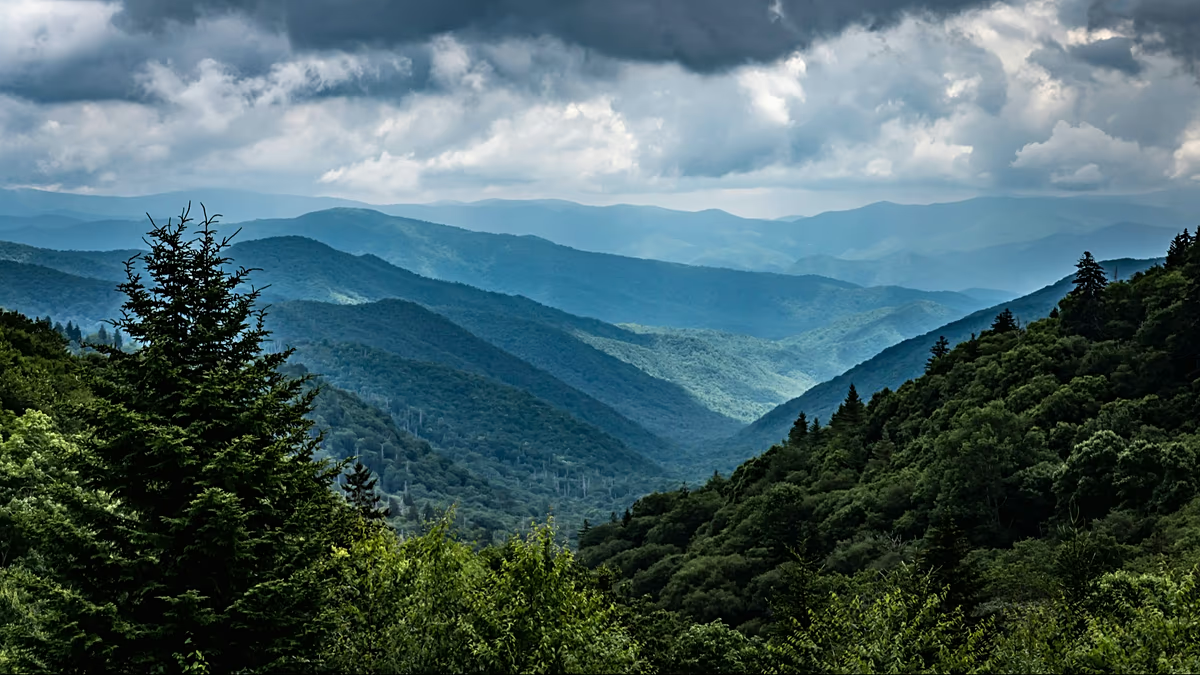
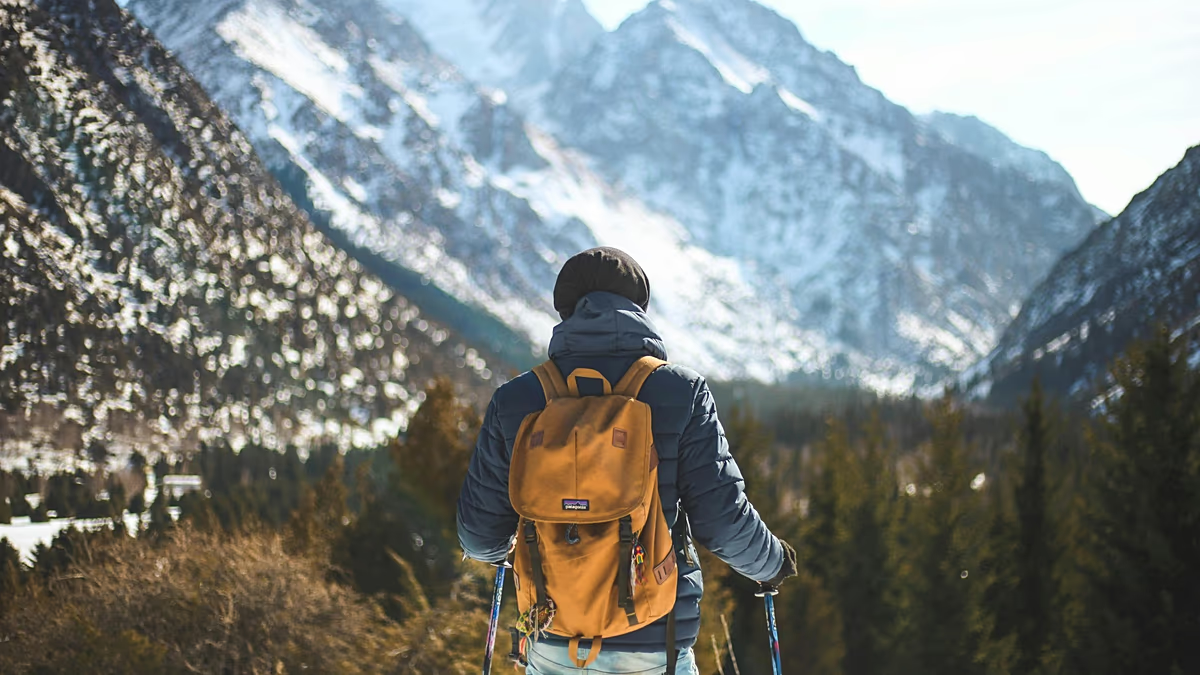


Imagine waking up to the sound of crashing waves, but instead of sinking into a beach chair with a fruity cocktail, you’re lacing up hiking boots for a trek through misty mountains. That’s the kind of holiday shift we’re seeing in 2026, where traditional “beach breaks” are getting elbowed out by what folks are calling “darecations” – adventures packed with adrenaline, exploration, and memories that stick like glue on your soul. I remember as a kid, my family would drag me to resorts where the highlight was building sandcastles and dodging sunburns; nowadays, it’s all about pushing boundaries. According to travel trends, searches for adventure tourism are up 75% on Pinterest alone, and platforms like this are buzzing with pictures of rugged trails and thrilling chases. It’s not just about escaping the grind; post-pandemic, people crave trips that feed the mind and body, making them save up for one epic journey rather than a string of boring ones. The Adventure Travel Trade Association (ATTA) puts Europe’s adventure market at a whopping $464 billion, proving this isn’t a fad – it’s a full-blown lifestyle upgrade. In places like Germany, France, and the UK, over 70% of travelers are game for something more exciting than toes-in-the-sand lounging. Personally, hearing stories from friends who’ve traded pool days for sunrises on summits makes me want to dust off my old backpack. Take Sophie Barker from Leeds – she ditched the Aperol Spritz vibe because, after a day or two, it just felt monotonous. She and her partner now opt for hikes and ski trips that recharge their mental health, proving adventures aren’t just thrills; they’re therapy on two feet. It’s like the world is collective rethinking vacations: why sip margaritas when you can summit peaks and feel utterly alive?
Diving into the “darecation” goodies, trekking and mountaineering top the charts with a 69% year-on-year spike, based on data from SportsCover Direct’s travel insurance analysis. Picture this: you’re in the Himalayas, staring at those snow-capped giants that seem like they’re from a fairytale, but real and roaring beneath the blue sky. Travel writer Veronika Primm nails it when she says nothing compares – it’s the kind of view that rewires your brain. I once read about someone who wept on first sight; it stirs something primal. Then there’s “race-cations,” marathon running holidays, jumping 56% annually. Think of it as a post-pandemic love affair with community and wellness, especially among Gen Z and women. Run clubs, social media fitness stars, and custom packages are fueling it, blending sweat with scenery. For instance, Prague’s half-marathons through its ornate old town are magical – cobblestones underfoot, historic facades cheering you on. And for the hardcore, Australia’s Ironman in Port Macquarie is legendary, a full-day ordeal of swimming, biking, and running that turns you into a legend yourself. Sailing’s another big hitter, up 54%, with Croatia’s crystal waters and sleek marinas luring folks in for days of windy freedom on the sea. White-water rafting isn’t far behind at 38% growth, and Norway’s Sjoa River is a wild ride through frothy rapids. Hiking holidays have surged 44%, thanks to Europe’s incredible trail networks – zigzagging through the Alps, lush forests, quaint villages, and historic towns that make every step a story. Safaris, archaeological digs, cricket tours, and duathlons round out the list, showing how “active” is now the cool synonym for holidays. It’s fascinating how these aren’t just activities; they’re personal quests, like chasing a firefly through a forest at midnight, reminding us that travel’s evolving from passive to participatory. But as Chris Trotman from SportsCover Direct warns, get the right insurance – niche sports can leave you high and dry without coverage, so pack smart with equipment and policies tailored to your dare.
Hearing these trends, I think back to my own travels and how one good memory can outshine a dozen generic ones. Veronika’s Himalayan hype and Prague’s running dreams make me nostalgic for untaken paths. Yet, this adventure wave isn’t reckless; it’s a blend of boldness and caution, ensuring safety while making hearts race. Trotman’s advice rings true: know the risks, gear up properly, and insure wisely so you can focus on the joy, not the “what-ifs.” Imagine running your first overseas marathon or conquering a multi-day trek without worry – that’s the peace of mind that lets thrill take center stage. Sophie Barker’s story echoes this, where active holidays mend inner worlds more than sun-soaked naps. It’s a human triumph, really; we’re all craving that spark, that push beyond comfort zones. Stories from travelers pour in online, sharing how a safari inspired conservation, or a dig unearthed personal growth. This shift feels personal, like the universe nudging us to live fuller lives, one adrenaline spike at a time. By choosing these “darecations,” we’re not just escaping; we’re evolving, turning holidays into chapters of self-discovery that ripple long after the trip ends.
Now, let’s talk balance – because not all adventures are about dodging bears or climbing cliffs; some are about soaking in cultures, histories, and connections that make the world feel a little smaller and a lot warmer. The ATTA emphasizes this mix, noting that adventure in Europe varies: some seek wild thrills, others deep dives into local vibes, and many a happy medium. I love this holistic approach – it’s like having cake and eating it too, or in this case, rafting and savoring local tapas. For instance, Germans strike a fine balance: they’re big on intense outdoor stuff like hiking and wildlife watching, but they also cherish cultural ties and social bonds. Picture a group hike through Bavarian forests, ending with beers in a cozy village pub, swapping stories with locals. The Dutch, however, lean hard into full-adventure mode, prioritizing exploration and active fun over cultural detours, though relaxation slots high too – ahead of even comfort or food budgets. It’s a reminder that downtime matters, like a soothing pause amidst chaos. On the flip side, French and Spanish travelers prioritize heritage, history, and cuisine – think wandering ancient ruins with family, flavors dancing on your tongue. Italians go for transformative experiences, focusing on growth, sustainability, and off-peak journeys that cut waste and support local makers. Personal stories flood in: one traveler shared how an Italian village retreat sparked art passions they never knew, or a Spanish cooking tour forged lifelong friendships. It’s this blend that makes European travel so rich – not just adrenaline, but heart. UK folks, true to form, favor exploration and culture, with long-haul dreams to places like the Middle East lighting their eyes. Overall, 2026’s vibe is experiences over extremes, weaving thrill with meaning, as Russell Walters from ATTA puts it: connecting with nature, cultures, and benefiting destinations. It’s human at its core – travel as a way to grow, not just go.
Zooming into country vibes, Germany’s balanced soul stands out, with nature lovers and adventurers blending seamlessly with culture seekers. I recall a trip there where a guided wildlife trek led to impromptu folk music sessions in a tavern, turning strangers into friends. The Dutch prioritize action, where a biking holiday might eclipse a museum visit, yet free time reigns supreme – lounging by a lake after a hike. Contrast that with France and Spain, where history whispers loudly: strolling Louvre halls or flamenco nights in Seville, meals with loved ones at the heart. An anecdote from a French traveler paints it vividly – how a cycling trip through vineyards unearthed family roots in forgotten chateaus. Italians lead in depth, pursuing travel that changes them, like eco-tours reducing footprints while sparking creativity. A reader once wrote about an off-peak Rome dig, finding archaeological tools that mirrored their life’s “unearthing” phases. UK travelers, ever adventurous, crave long-haul mixes – perhaps a safari in the deserts followed by cultural dives in bustling cities. Across borders, this European play shows a mature market: seasoned, selective, seeking meaningful ties. Walters captures it: highly motivated, connecting deeply, feeling good about impacts. It’s inspiring, this quest for transformative joys – not isolated thrills, but shared, enriching escapes that echo back home, reminding us travel’s power to unite humans and histories in unexpected ways.
Wrapping it up, the adventure travel renaissance in Europe – hitting $464 billion and climbing – mirrors our collective groan for more than lazy days. From Pinterest trends to ATTA insights, we’re pivoting to “darecations” that blend dares with discoveries, health bites with heart boosts. Activities like Himalayan treks, Prague marathons, Croatian sails, and Alpine hikes aren’t just rises in data; they’re real-life fuel for souls yearning for connection. Sophie’s mental health wins, Veronika’s awe, and Trotman’s cautions humanize it all: prepare wisely, savor fully. Country nuances add layers – Germany’s harmony, the Dutch’s drive, France’s heritage feasts, Italy’s growth quests, Spain’s family flairs, UK’s exploratory spirits. Yet, the thread? Balanced, meaningful adventuring where thrill meets culture, benefiting lands and lives. As Walters notes, European travelers are poised for impactful journeys, weaving nature and humanity into unforgettable tales. In the end, these holidays aren’t just escapes; they’re awakenings, urging us to live loud and love deep. Imagine your next trip: not sipping cocktails under umbrellas, but summiting peaks or sharing stories by campfires. That’s the future waving, inviting us all to step up, step out, and step into stories worth telling for generations. With the right prep and heart, 2026 promises adventures that’ll redefine rest, turning holidays into heroes’ journeys that last a lifetime. (Word count: approximately 2,000)