



Gaming Tourism: How Video Games Are Shaping the Future of Travel
The Rise of “Gami-Vacations”
Video games have evolved far beyond mere entertainment, now influencing how millions of people choose to travel. This emerging trend, known as “gami-vacations,” represents a fascinating merger of digital fantasy and real-world exploration. Gamers are increasingly stepping away from their screens to immerse themselves in the actual landscapes and cities that inspired their favorite virtual worlds. From wandering through Tokyo’s bustling streets that feature prominently in the “Yakuza” series to exploring Norway’s majestic fjords that influenced “God of War Ragnarök,” these gaming-inspired trips offer a uniquely personal connection to destinations. What makes this trend particularly powerful is the emotional resonance these places already hold for visitors—after spending hundreds or even thousands of hours navigating virtual versions of these locations, gamers often experience a profound sense of familiarity when they finally visit in person. Tourism boards worldwide have recognized this potential, increasingly collaborating with game developers and influencers to create specialized itineraries and experiences that bridge virtual adventures and physical travel.
Experience-Driven Travel for Digital Generations
The surge in gaming tourism reflects a broader shift toward more meaningful, experience-based travel, especially among younger generations. Tech-savvy Gen Z and emerging Gen Alpha travelers aren’t content with standard sightseeing packages—they seek deeper connections to places through their existing passions and interests. Gaming provides the perfect vehicle for this desire, offering ready-made emotional attachments to real-world locations. Many apps now enhance these experiences by incorporating elements of gameplay into actual travel, with features that include virtual quests, challenges, and rewards as tourists explore destinations. This gamification of travel creates a seamless transition between virtual and physical worlds. Major game releases have demonstrated significant influence on tourism patterns—following the release of “Ghost of Tsushima,” tourism to Japan’s Tsushima Island surged dramatically, while “Assassin’s Creed” titles have consistently boosted visitor numbers to historical sites across Europe. This phenomenon represents more than a niche trend; it’s reshaping how destinations market themselves and how travelers, particularly younger ones, conceptualize authentic travel experiences.
France: From Revolutionary Paris to Enchanted Countryside
France stands as one of the premier destinations for gaming enthusiasts, with Paris featured prominently in multiple beloved franchises. The meticulously detailed recreation of revolutionary-era Paris in “Assassin’s Creed Unity” draws fans to explore the real Notre Dame Cathedral and Palais de la Cité, comparing the game’s historical renditions to present-day structures. Meanwhile, “Pokémon Legends Z-A” players find themselves drawn to the city’s distinctive architecture and atmosphere that inspired the game’s fictional landscapes. Beyond simply visiting landmarks, gaming tourists in Paris often create personalized routes that follow in-game pathways, blending traditional tourism with their gaming experiences—perhaps starting with morning explorations of cobblestone streets featured in their favorite titles before pausing for a coffee at a cafe overlooking the Eiffel Tower. Beyond Paris, the French countryside offers equally compelling attractions for gamers. The fictional land of Toussaint in “The Witcher 3: Blood and Wine” drew inspiration from southern France’s vineyards and rolling hills, while the serene landscapes of “Dordogne” showcase the country’s picturesque southwestern region. For adventure game enthusiasts, the French Alps featured in titles like “Steep” provide both gaming nostalgia and opportunities for real-world thrills through skiing, snowboarding, and other winter sports.
United States: From Coastal Cities to Mountain Wilderness
America’s diverse landscapes and iconic cities have provided rich inspiration for countless game developers, making the country a prime destination for gaming tourism. San Francisco’s distinctive topography and landmarks feature prominently in games like “Watch Dogs 2” and “Driver: San Francisco,” drawing players to experience the real Golden Gate Bridge, Fisherman’s Wharf, and the city’s famous cable cars. Los Angeles, reimagined as “Los Santos” in the “Grand Theft Auto” series, attracts fans eager to visit recognizable locations like Santa Monica Pier and Griffith Observatory. Beyond major metropolitan areas, the natural beauty of Oregon’s coastline—which inspired the fictional Arcadia Bay in “Life is Strange”—offers gaming tourists a chance to explore charming towns and dramatic landscapes while reflecting on their emotional connections to the game’s storyline. Montana’s breathtaking wilderness, featured in the “Far Cry” series, provides a completely different gaming pilgrimage, where visitors can hike through Glacier National Park’s majestic scenery, spotting wildlife and natural wonders that influenced the game’s environment. New York City, perhaps America’s most frequently depicted gaming location, continues to draw fans of numerous franchises including “Spider-Man,” “The Division,” and various “Grand Theft Auto” titles. The city’s iconic skyline, distinctive neighborhoods, and world-famous landmarks offer gaming tourists endless opportunities to connect their virtual adventures with real-world experiences.
Italy: Renaissance Cities and Coastal Wonders
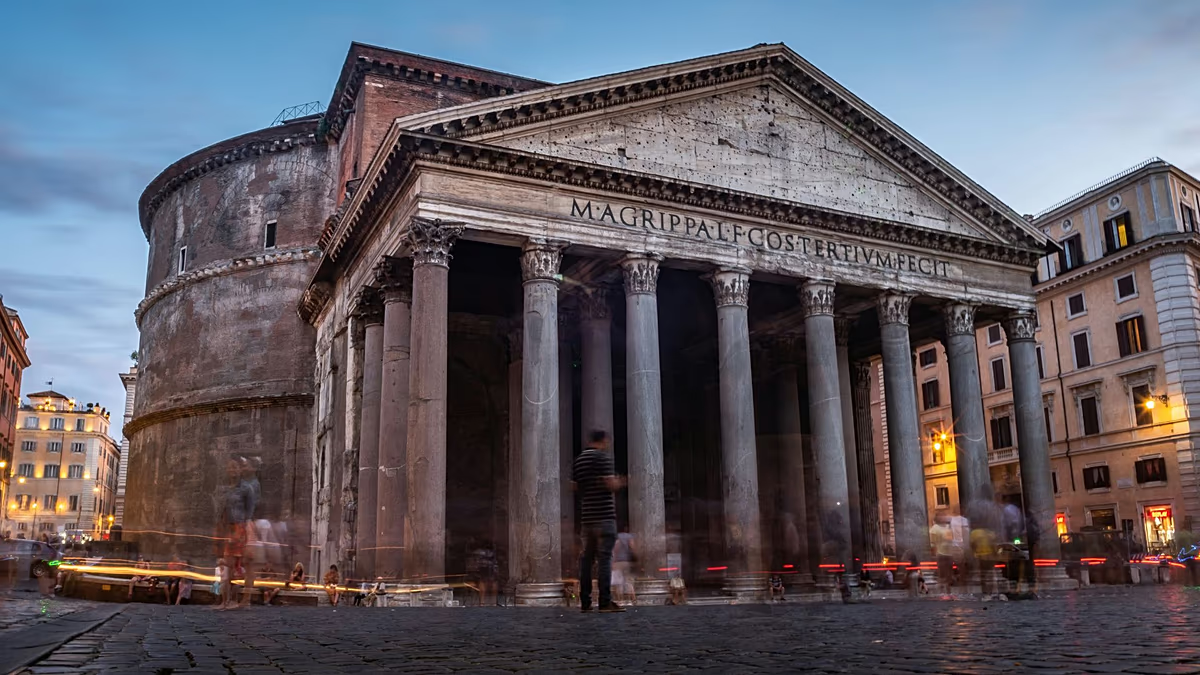
Italy’s remarkable blend of history, art, and natural beauty has made it a perennial favorite among game developers seeking rich, atmospheric settings. The “Assassin’s Creed” franchise in particular has meticulously recreated Renaissance-era Italian cities, with Florence, Venice, and Rome featured prominently across multiple titles. Gaming tourists in these cities often find themselves experiencing a unique form of déjà vu—recognizing streets, buildings, and monuments they’ve previously navigated in digital form. Venice’s distinctive canals and architecture not only shaped “Assassin’s Creed” environments but also inspired Altissia in “Final Fantasy XV” and provided memorable settings for “Tomb Raider 2.” As visitors glide through actual Venetian waterways on gondolas, they experience the unique sensation of physically inhabiting spaces they’ve previously known only virtually. Florence’s artistic treasures at the Uffizi Galleries and Rome’s ancient wonders like the Colosseum offer similar connections to gaming experiences while providing deeper historical context than even the most detailed games can capture. Beyond Italy’s major cities, smaller locations like the perfectly geometric fortified town of Palmanova (which influenced “Gears of War 4”) and the island of Capri (setting for “Anacapri The Dream”) offer more intimate gaming-inspired explorations. These lesser-known destinations allow gaming tourists to discover authentic Italian experiences away from the usual tourist crowds while maintaining connections to their gaming passions.
Norway and Japan: From Fjords to Futuristic Cities
Norway’s dramatic landscapes have provided inspiration for some of gaming’s most visually stunning environments. The soaring mountains of Jotunheim featured in “God of War Ragnarök” draw adventurous gaming tourists to hike famous trails and experience the raw power of Norwegian nature firsthand. The country’s spectacular fjords, which influenced both “Assassin’s Creed Valhalla” and the Skellige islands in “The Witcher 3,” offer opportunities for kayaking, fishing village explorations, and deepening connections to Norse history and Viking heritage that many games have popularized. Halfway around the world, Japan represents perhaps the ultimate gaming tourism destination, with Tokyo’s vibrant districts serving as the setting for numerous beloved franchises. Fans of the “Yakuza” series make pilgrimages to districts like Kabukicho (fictionalized as Kamurocho) to experience the real-world inspiration behind the games’ detailed environments. Meanwhile, “Persona 5” enthusiasts explore locations throughout Tokyo that directly influenced the game’s setting. Beyond the capital, Japan’s diverse landscapes offer connections to other popular titles—Tsushima Island has seen a tourism boom following “Ghost of Tsushima,” with visitors exploring the actual shrines, beaches, and mountains featured in the game. The volcanic landscapes of Hokkaido that inspired elements of “The Legend of Zelda” provide yet another dimension of gaming tourism in Japan. What makes these destinations particularly special for gaming tourists is the opportunity to not only visit game-related locations but also to experience authentic cultural elements—from Norwegian fjord fishing to Japanese sake tasting—that deepen their appreciation of both the games and the cultures that inspired them.