


In a world where the UK grapples with the relentless squeeze of rising living costs, a growing number of remote workers are trading dreary commutes and unpredictable weather for sun-soaked adventures abroad. Picture this: you’ve wrapped up your workday staring at a computer screen in a cozy café, and instead of hurrying home through drizzling rain, you’re strolling along a Mediterranean beach or exploring ancient cobblestone streets. That’s the allure of the digital nomad lifestyle, where work blends seamlessly with travel, and living expenses often plummet by 20% to 40% compared to the UK. A report from LiveCareer UK highlights that around 165,000 UK professionals have already made the leap, lured by promises of better work-life balance, tax breaks, and communities designed for slow-paced exploring—what some call the “slomad” trend. These nomads aren’t just chasing palm trees; they’re strategically choosing destinations with solid visa policies, reliable high-speed internet, and a chance to recharge. As borders reopen and remote work booms post-pandemic, this movement feels less like escapism and more like a savvy response to modern life, where people prioritize quality over quantity, savoring longer stays in welcoming havens. It’s a reminder that sometimes, unplugging from the daily grind means plugging into a life that’s vibrant, affordable, and truly yours, turning what was once a pipe dream into a tangible reality for thousands.
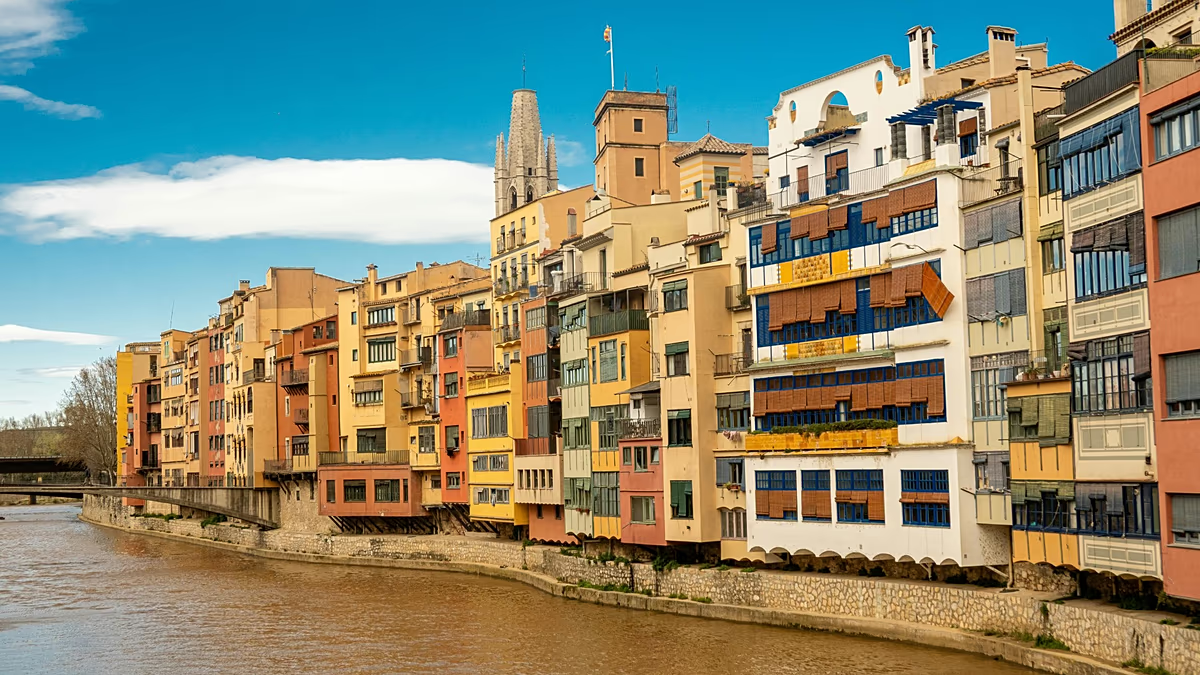
Spain shines as the top choice for UK digital nomads in 2025, and it’s easy to see why—imagine waking up to endless sunshine, about 300 days a year, after the UK’s damp, overcast skies. High-speed internet, ranked among the world’s fastest, makes working from a beachside bar or mountain villa as efficient as back home. The specialized Digital Nomad Visa, obtainable right in Spain, welcomes remote workers legally, complete with provisions to bring family along and tap into a lower tax regime for non-residents. You’ll need to prove a steady monthly income of at least €2,700, but in return, you get a 20-40% drop in living costs, freeing up cash for Spain’s legendary tapas, vibrant history, and outdoor thrills. Cities like Barcelona, Valencia, and Madrid pulse with coworking spaces and networking events tailored for expats, fostering easy connections. It’s not just about work; nomads can hike through national parks, surf golden beaches, or sip sangria in plazas historic enough to whisper tales of ancient empires. For many Brits, Spain offers a gentle cultural immersion—tangling Spanish but plugging into welcoming communities—making it feel like a warm embrace after the UK’s often icy solitude. Stories abound of nomads who started as wide-eyed tourists and built thriving routines, balancing deadlines with siestas and exploration, turning each day into a chapter of self-discovery.
Portugal beckons with a similar charm but a distinct flavor, where vibrant startup vibes and English-friendly networks make Brits feel right at home, even if the language barrier occasionally pops up. Like Spain, Portugal’s Digital Nomad Visa (D8) requires a monthly income proof of €3,480 as of 2025, granting stays to work legally amid high-speed internet and a cost of living 30-40% lower than the UK’s. Lisbon stands out as a hotspot, teeming with British expats, bustling tech scenes, and coworking hubs that hum with collaboration—perfect for freelancers brainstorming over pastel de nata. Despite a brewing housing crisis and some local frustrations with nomads, the Algarve offers affordable escapes with its stunning coastlines, golf courses, and water sports, where you can transition from video calls to kayaking in minutes. Portugal’s 300-plus sunshine days support that enviable work-life balance, letting you dip your toes in the Atlantic post-meeting, surrounded by mild weather and top-notch safety. Many UK nomads share tales of forging lifelong friendships in Lisbon pubs or Porto cafés, immersing in a culture that values family, food, and fado music. It’s a place where the pace slows, allowing digital wanderers to not just survive but thrive, blending productivity with leisurely pursuits like hiking coastal trails or savoring fresh seafood, crafting a life that’s both modern and timeless.
Croatia emerges as a hidden gem, blending Mediterranean magic with tax perks that could make any nomad’s heart skip a beat. The Digital Nomad Visa for non-EU citizens offers a full year of lawful living and working without local income tax, though it demands about €3,295 in monthly earnings to qualify. With living costs 30% below the UK’s—dropping even more inland from touristy spots like Dubrovnik and Split—Croatia feels like a budget traveler’s paradise. Exceptional safety, blazing-fast internet, and over 300 sunny days a year make it ideal for focused remote sessions, while widespread English fluency (spoken by around 80% of the populace) eases everyday interactions. Growing expat communities and coworking spaces in cities like Zagreb provide that sense of belonging, turning solo sojourns into social adventures. Beyond work, the country’s wealth of 13 national parks, over 1,000 islands, and historic coastal towns invite exploration—kayak through crystal-clear waters or wander Game of Thrones film sites. UK nomads often recount transformative experiences, from sunrise hikes in the Plitvice Lakes to cooking lessons with local families, where the laid-back Croatian ‘mañana’ vibe complements the UK’s work ethic. It’s a destination where affordability meets adventure, encouraging digital workers to embrace downtime, fostering a renewed sense of wonder in a world that sometimes feels too rushed.
Estonia stands out for its tech-forward flair, appealing to the nerdy side of nomadism with robust digital infrastructure that’s a dream for efficiency-obsessed Brits. Here, 99% of government services run online 24/7, from banking to voting, creating a low-red tape haven where remote workers thrive without bureaucratic hassles. Taxes hover at a friendly 22% from 2026, and the cost of living is about 30.5% lower than the UK’s, per Numbeo. The e-Residency program lets entrepreneurs set up EU-based companies in minutes, remotely managing international ventures with ease. Tallinn’s vibrant tech scene, high English proficiency, and walkable layout buzz with coworking spaces, innovating hubs where ideas flow as freely as the Baltic winds. Close proximity to nature—boggy marshes, vast forests, and coastal shores—offers quick escapes for digital detoxes, balancing screens with serene hikes. Many UK nomads describe Estonia as transformative, where they not only boost productivity but also reconnect with simplicity, perhaps coding in a heated sauna or collaborating at eco-friendly cafés. It’s a blend of cutting-edge modernity and rustic calm, where the country’s 300 sunny days (relative to Northern Europe) enhance work-life harmony, making Estonia a sophisticated choice for those ready to fuse work with thoughtful living.
Amid these alluring destinations, the digital nomad exodus from the UK reveals deeper shifts in how we define success and happiness. Whether bronzing in Spain, networking in Portugal, adventuring in Croatia, or innovating in Estonia, these stories underscore a collective yearning for flexibility, community, and affordability in an uncertain world. Yet, it’s not without challenges—visa nuances, cultural adjustments, and occasional resentments from locals remind nomads to approach with respect and preparation. For aspiring slomads, researching income thresholds, securing reliable internet, and joining online forums can turn dreams into doable plans. Ultimately, this trend champions a human-centric approach to work, where the pursuit of balance trumps the perils of the cost-of-living squeeze, inspiring countless others to envision lives rich with travel, purpose, and connection beyond the confines of one country. As more Brits embrace this path, the message is clear: freedom isn’t about escaping, but about crafting a life that’s authentically yours, one pixelated screen and sunny vista at a time. If you’re considering the leap, start small—maybe with a short trip—and let the world show you how vast your possibilities truly are.