


Travel Trends for 2026: Personalized Experiences and Cultural Immersion
The Evolution of Travel: From Meaningful Experiences to Specialized Journeys
The past year has seen travel transform from simple sightseeing to more immersive experiences. In 2025, we witnessed travelers embracing slow travel to less-frequented destinations, allowing them to truly absorb local cultures rather than rushing through tourist checklists. “Quietcations” became popular as people sought digital detoxes to recover from burnout, while fitness-focused holidays—from yoga retreats to cycling adventures—saw significant growth. Sustainability also became a priority, with more travelers choosing eco-lodges and experiences that supported local communities. As we look toward 2026, these trends are evolving into even more specialized and personalized travel experiences that reflect deeper values and specific interests.
Glowcations and Literary Tourism: Travel with Purpose
One of the most notable emerging trends for 2026 is “glowcations”—travel experiences focused specifically on skincare and wellness treatments. This movement, particularly popular among Gen Z travelers, combines beauty rituals, wellness practices, and technology for a comprehensive approach to rejuvenation. Destinations like Paris (for French pharmacy products), South Korea (for K-beauty innovations), and Kerala (for Ayurvedic treatments) are becoming hotspots. Beyond destinations, travelers are selecting accommodations that support their wellness goals, featuring amenities like circadian lighting, personalized sleep experiences, and plant-based dining options. Paralleling this trend is literary tourism—travel inspired by favorite books and authors. Destinations associated with literary giants like Shakespeare’s Stratford-upon-Avon or Hemingway’s Key West are drawing visitors who want to walk in their favorite characters’ footsteps. The rise of BookTok and a desire for digital detoxing have fueled interest in tangible literary experiences, from visiting authors’ homes to attending festivals like the Jaipur Literature Festival or exploring entire cities renowned for their literary heritage, such as Dublin and Edinburgh.
Alpine Escapes and Gaming-Inspired Travel: Finding New Perspectives
As overtourism and climate change impact traditional vacation spots, year-round Alpine and mountain destinations are gaining popularity for 2026. According to Skyscanner, 71% of UK travelers are considering mountain escapes for summer or autumn next year, with hotel bookings featuring mountain views up by 103%. The appeal isn’t just about escaping heat or enjoying winter sports—62% of travelers cite peace and quiet as their motivation, while 41% are specifically seeking less crowded alternatives to beach holidays. Destinations like Austria’s Kitzbühel with its glamour and thermal pools, Switzerland’s Zermatt for reliable snow conditions, and Canada’s Banff for adventure opportunities are seeing increased interest. Meanwhile, “gami-vacations” represent another specialized trend, where travelers visit real-world locations featured in their favorite video games. Popular destinations include Norway’s Jotunheimen mountains (God of War), Scotland (Assassin’s Creed), and Japan’s Tsushima Island (Ghost of Tsushima). This trend is primarily driven by millennials and Gen Z travelers seeking to blend virtual and real-world experiences, often enhanced by apps offering game-inspired challenges and missions.
AI-Enhanced Travel Planning and Multi-Generational Adventures: Technology Meets Tradition
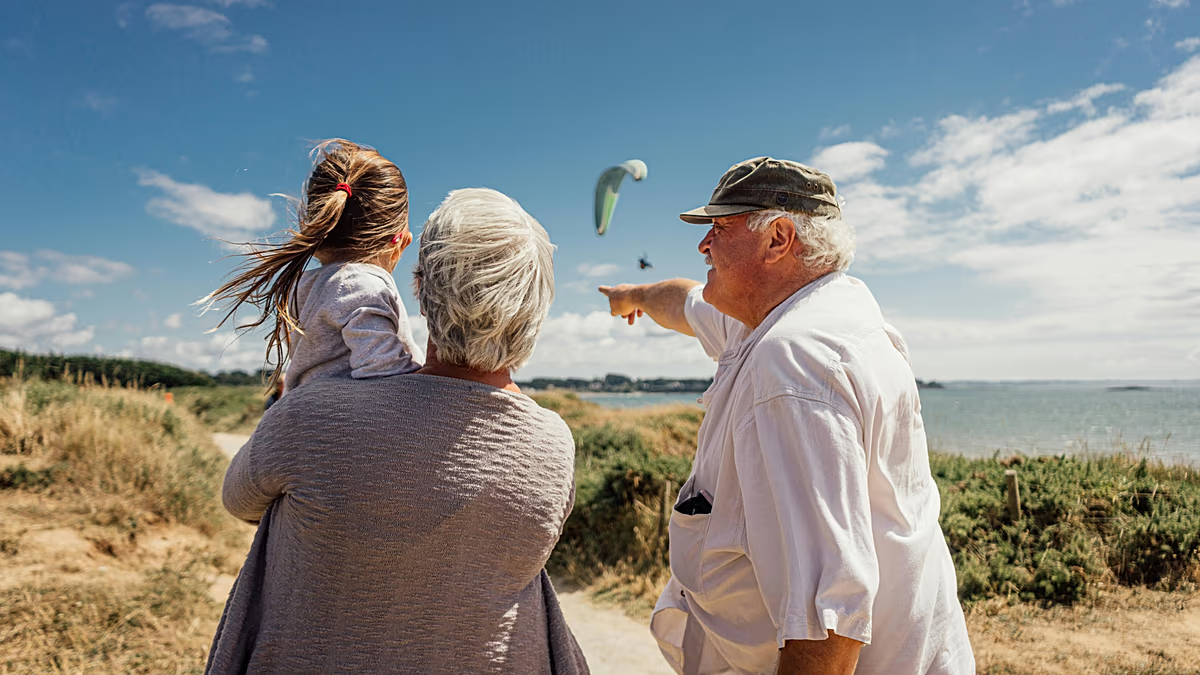
Artificial intelligence continues to revolutionize how we plan and experience travel in 2026. According to Marriott Bonvoy’s research, 50% of travelers used AI for holiday planning in 2025 (up from 41% in 2024), and the same percentage would feel comfortable using AI for accommodation bookings in the future. The appeal lies in AI’s ability to create hyper-personalized itineraries based on individual interests, values, and even moods—helping travelers discover off-the-beaten-path destinations that align with their preferences. Beyond planning, AI is helping travelers find better deals, overcome language barriers, and streamline experiences like check-in processes. Alongside this technological advancement, we’re seeing a seemingly contradictory trend toward multi-generational family travel. These trips—involving parents, children, and grandparents traveling together—reflect a desire for meaningful family connections and shared experiences. Motivations include celebrating milestones, cost savings through group discounts, and the challenge of coordinating schedules among geographically dispersed family members. Popular destinations for these trips offer something for every age group, from Mediterranean favorites like Greece and Cyprus to diverse locations like Dubai, Costa Rica, and California.
Set-Jetting: When Entertainment Drives Destination Choices
The final major trend shaping travel in 2026 is “set-jetting”—visiting locations featured in popular films and television shows. This trend has experienced explosive growth due to streaming services, social media influence, and deeper emotional connections to on-screen stories that developed during pandemic lockdowns. Travelers are flocking to places like Hawaii and Sicily (The White Lotus), Malta and Dubrovnik (Game of Thrones), Paris (Emily in Paris), and Romania (Wednesday). These locations often offer spectacular landscapes and historical architecture that feel “emotionally familiar” to fans who’ve spent hours immersed in these settings through their screens. Tourism boards and travel companies are actively capitalizing on this phenomenon, with campaigns like “Starring Great Britain” promoting locations featured in shows like Peaky Blinders and Bridgerton. This trend highlights how entertainment and cultural connections are increasingly driving travel decisions, with visitors seeking to step inside the worlds of their favorite stories.
A New Era of Personalized Travel: Finding Meaning in Every Journey
As we look toward 2026, travel is becoming increasingly personalized, purpose-driven, and aligned with individual interests and values. Whether seeking physical transformation through wellness treatments, cultural enrichment through literary connections, escape from overtourism in mountain retreats, or immersion in entertainment-inspired worlds, travelers are crafting journeys that reflect their personal passions and priorities. The common thread connecting these diverse trends is a desire for meaningful, authentic experiences that go beyond traditional tourism. Supported by technological advances like AI planning tools yet often motivated by very human desires for connection, rejuvenation, and personal growth, travel in 2026 promises to be more individualized and intentional than ever before. From multi-generational family bonding to solo adventures in game-inspired landscapes, tomorrow’s travelers aren’t just visiting destinations—they’re seeking experiences that transform them, creating memories that resonate long after they return home.