






Hey, ever thought about embarking on a trip during Ramadan? As a travel enthusiast, I can tell you it’s not just possible—it’s a fantastic way to immerse yourself in a vibrant culture. Ramadan is when Muslims worldwide fast from dawn to sunset, commemorating the revelation of the Quran. Sure, daytime paces slow in many places with closed eateries and adjustments for sensitivities, but don’t let that scare you off. Stick to basic respect like covering up modestly and avoiding public nibbles during the day, and you’ll hit the ground running. Come nightfall, cities pulse with energy; festivals, lantern-lit streets, and communal meals make it irresistibly festive. I’ve personally experienced that magical glow—it’s like peeking behind the curtain of a global tradition.
Timing Ramadan feels like chasing a moving target since it’s based on the lunar calendar. This year, it kicked off around February 18-19 and wrapped up by March 19-21. Next year, expect it to start about 10 days earlier, around February 8 in 2027 and January 28 in 2028. The exact dates hinge on spotting the crescent moon, often guided by Saudi Arabia’s committee, though some countries tweak it slightly. It’s quirky how it shifts through the years—last summer it fell in July, remember? If you’re planning ahead, mark your calendar for when the stars align, or check local announcements closer to the date.
Rules on eating, drinking, or even lighting up a smoke in public during the day vary wildly. In strict spots like Qatar, you might face fines and find bars boarded up—no alcohol sales there. But in more laid-back places like Bosnia and Herzegovina, where Muslims make up about half the crowd, you can chow down freely, though eateries often open post-sunset. As a non-Muslim traveler, I’ve learned to err on caution: pack snacks for your hotel room and respect the vibe. It’s not about judgment; it’s appreciating how people honor their faith, making your trip more mindful and authentic.
Dressing up for Ramadan ties into year-round modesty in many Muslim countries—think covering shoulders and knees to blend in. In less conservative destinations, causal wear is fine, but I always dial it back: a long skirt or loose pants with a scarf handy keeps things harmonious. Visiting mosques? You’ll need hair covered and loose clothing that doesn’t hug too much. It’s like putting on a costume for a respectful role-play; I’ve felt more connected, not restricted, dressing thoughtfully.
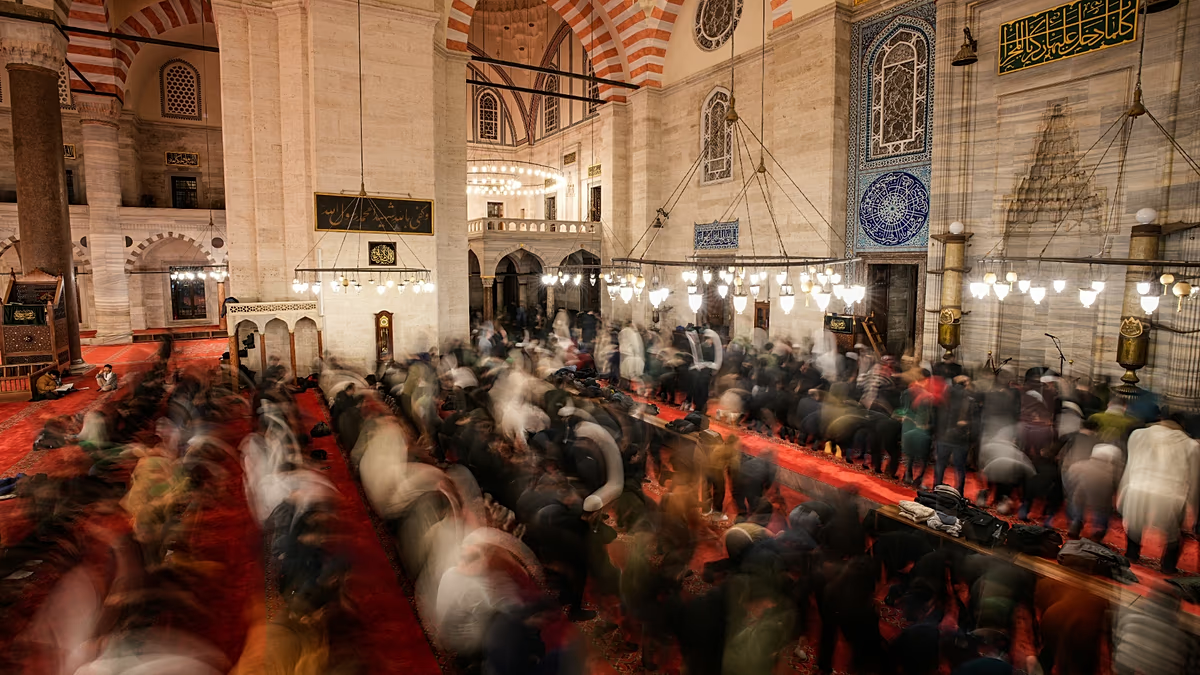
As for booking tours or activities, flexibility is key—opening hours might shift to accommodate fasting staff, with Friday prayers causing midday closures. Museums, galleries, and heritage sites often reopen in the afternoons, and tours can run on adjusted schedules. Mosques welcome non-praying visitors, but peek at the rules on coverage. Planning evening slots lets you dodge the downtime; it’s like scheduling around a world-famous nap time, but with cultural rewards that make the wait worthwhile.
Diving into Ramadan locally feels epic at night. Iftar buffets burst with foods like dates to fuel the feast after the fast-breaking cannon boom. In regions like Iraq or Qatar, mid-month Garangao celebrates kids singing for treats—now often in malls. Pop-up bazaars hawk dates, abayas, and Eid gifts. Even non-Muslims can try fasting for a day; it’s empowering. In Europe, Bosnia, Kosovo, and Turkey echo these traditions with cannons and drummers. London decks out with Ramadan lights and iftar events at spots like Trafalgar Square, while Berlin hosts halal festivals. It’s like celebrating Diwali in a new light—join the warmth, share stories, and leave with memories that linger like spiced tea. If you’re game, pick a destination and embrace the rhythm; Ramadan travel isn’t restrictive—it’s a gateway to genuine connection.