



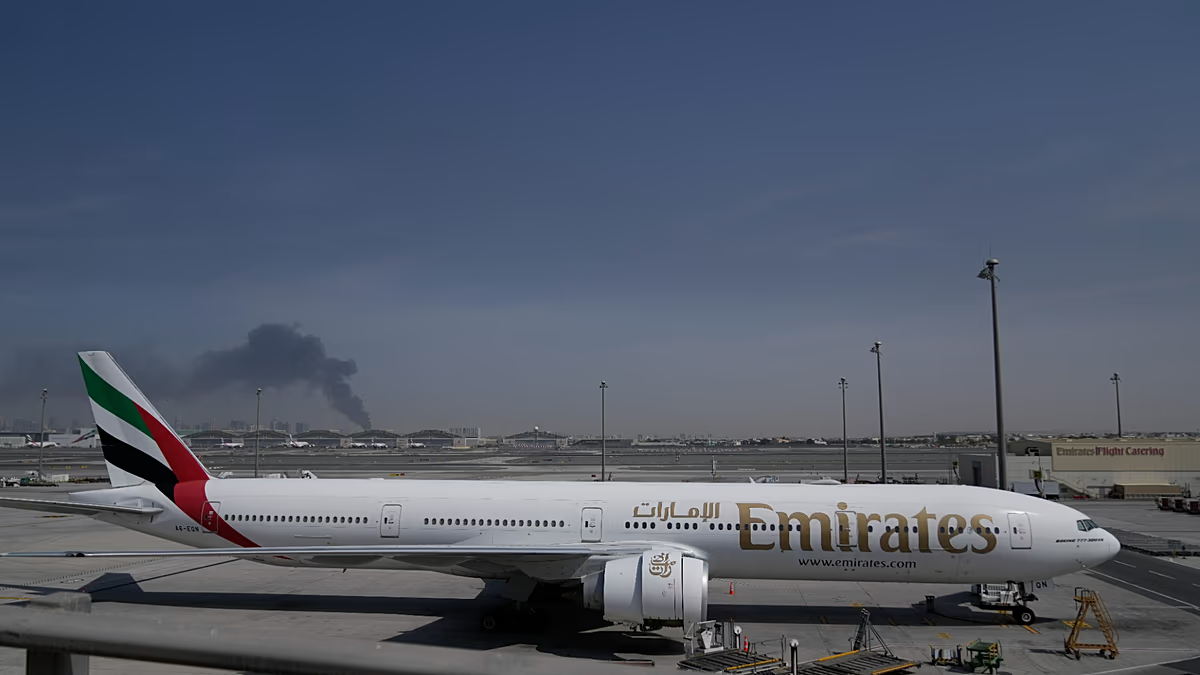
Imagine waking up to a morning where your carefully planned vacation to the sunny beaches of Dubai or a business trip through Tel Aviv suddenly evaporates into thin air—literally. As tensions between the US, Israel, and Iran have escalated, the skies over the Middle East have turned into a no-fly zone of unprecedented chaos. Flights are grounded, schedules are in tatters, and thousands of travelers are left wondering if they’ll ever touch down in their destinations. I can picture families who saved for years for this dream getaway, now staring at rerouted itineraries or outright cancellations. Or the urgent flyer rushing to close a deal in Doha, only to find their path blocked by closed airspace spanning Iran, Qatar, and Israel. It’s not just local; airlines from Asia and Africa, which rely on these hubs as shortcuts, are rerouting globally, causing ripples that affect passengers worldwide. Flightradar24’s post on X that chilly Tuesday highlighted the grim tally: over 12,300 cancellations from major airports like Dubai International, Hamad in Doha, and Abu Dhabi’s Zayed. Each number represents a human story—frustration building as plans crumble, anxiety peaking over lost connections and missed opportunities. This isn’t just bad luck; it’s a domino effect from geopolitical fireworks, forcing airlines to scramble and airports to buzz with confusion. For many, the closure isn’t total—places like the UAE, Saudi Arabia, and Jordan see intermittent shutoffs—but the unpredictability adds layers of stress. I’ve heard from friends who’ve flown through the region before, joking about layovers turning into unintended adventures, but this feels different, more foreboding. It’s a stark reminder that in today’s interconnected world, a distant conflict can ground your personal journey, trapping dreams in holding patterns.
In the midst of this turmoil, some cautious glimmers of hope emerged as airlines like Etihad, Emirates, and Flydubai in the UAE began testing the waters with select flights on Monday and Tuesday. For passengers hunkering down in Abu Dhabi and Dubai, it was a tentative step toward normalcy. Yet, Dubai’s government urged caution, advising travelers to only head to the airport if personally contacted, framing it as a “limited resumption.” Numbers tell the tale: over 80% of Dubai-bound flights and more than half to Abu Dhabi were still off the table, per FlightAware. Think of the relief mixed with dread—an elderly couple finally hearing their flight is go-ahead, but fearing it’ll be delayed or diverted. It’s human nature to cling to optimism, but the scale of cancellations underscores the fragility. Airlines are navigating this like tightrope walkers, balancing safety with profitability, while passengers grapple with the unknown. If you’re eyeing a trip through here, keep abreast of updates; one wrong move, and you’re stuck. Personally, I’d feel that knot in my stomach, debating delays versus the risk of flying into uncertainty. Long-haul routes from places like Europe or the Americas might seem unaffected at first glance, but when Asia-Europe flights detour around the chaos, everyone feels the burn. Advice flies as fast as cancellations: stay informed, be patient, and remember, this pause might allow for breathtaking views of rerouted paths over oceans or deserts, turning inconvenience into unexpected wonder.
Bringing a dose of reality, government advisories are painting a sobering picture for travelers. The UK’s Foreign, Commonwealth & Development Office (FCDO) has ramped up warnings, advising against all travel to Iran, Iraq, and Israel due to “significant security risks” from regional escalations, and discouraging non-essential trips to the UAE, Qatar, and Kuwait. Specific areas in Saudi Arabia, Lebanon, and Jordan are flagged too. It’s like a parent’s stern lecture: stay away from military sites, monitor news like your life depends on it—because maybe it does—and if trouble brews, hunker in an interior room, away from windows. For those in Iran, British nationals face heightened risks of arbitrary arrests, adding a layer of personal dread. France and Germany echo these cautions, urging registration with embassies for safety nets. I empathize with the wanderlust types who live for these destinations—vibrant souks in Beirut, ancient wonders in Israel, or luxury in Qatar—who now weigh excitement against existential threats. It’s heartbreaking to imagine a solo traveler, once carefree, now hyper-vigilant, texting home about every trip detail. Embassies stand ready to assist, but the burden falls on you: pack not just sunscreen, but resilience. In these moments, we see the humbling side of travel—the globe’s beauty shadowed by its volatility. Travelers are encouraged to stay connected, perhaps through apps that ping alerts, turning solo journeys into community-supported ones. The FCDO’s guidance feels like a lifeline, reminding us that safety comes first, no matter how alluring the adventure.
Now, if your plans involve flying to or through the Middle East, knowing your passenger rights can feel empowering amid the upheaval. Airlines are rolling out lifelines, waiving fees for tweaks due to the crisis. Take British Airways: for flights to Abu Dhabi, Amman, Bahrain, Doha, Dubai, or Tel Aviv up until March 15, you can shift your date for free, flying by March 29—or snag a full refund if heading out by March 8. Lufthansa offers similar grace for tickets to Tel Aviv, Beirut, Amman, Erbil, Dammam, or Tehran issued by March 1, allowing rebookings up to March 31 or straight refunds. KLM, Air France, Turkish Airlines, and Emirates have joined the fold with flexible policies. If your flight’s already cancelled, you’re guaranteed rebooking—even on a competitor—or a refund. But heads up: don’t bail yourself if it’s still on the books, or you could lose claims later. It’s relief in the frustration, like a hug after a storm. Picture the student en route to a family reunion, now able to pivot without financial ruin. These steps acknowledge the human cost—lost income for freelancers, broken holiday moods—and provide control in chaos. Consumer advocates stress checking terms, as not all waivers are equal, and documenting everything for potential disputes. In a scenario where global tensions dictate your schedule, these rights are a beacon of fairness, ensuring you’re not just another cancelled flight number.
Travel insurance, that supposed safety net, flips from savior to tricky waters here. Standard policies often ditch coverage for war-tinged cancellations—like these airspace closures or instability fears—per experts like Squaremouth’s Lauren McCormick. So, if dread of conflict drives you to cancel, don’t expect payback; it’s explicitly excluded. Yet, not all is lost—delays from cascading effects, like rerouted hubs or overtime wear on planes, might still qualify under delay perks. Cancel For Any Reason (CFAR) or Interruption For Any Reason (IFAR) plans shine as exceptions, cushioning those excluded scenarios. Think of a young professional canceling Dubai plans over fears—standard insurance leaves them dry, but CFAR could soften the blow, turning regret into manageable loss. It’s a lesson in reading fine print, where what’s covered hinges on your policy’s wording. Insurance providers are inundated with queries, their helplines buzzing with anxious voices. In my own experiences booking far-flung trips, I’ve learned to weigh extras like these, viewing them as investments in peace of mind. With Middle East strains, it’s wise to review (or upgrade) coverage preemptively, avoiding last-minute heartbreak. Ultimately, while insurance can’t prevent geopolitics, it can mitigate fallout, reminding us that preparation is the traveler’s truest ally.
If fate has stranded you in Doha or Dubai amidst this disruption, airlines owe you support, though compensation’s off the table for delays or cancellations in “extraordinary circumstances,” as travel pro Jo Rhodes from Which? notes. For UK or EU carriers, expect meal vouchers, lounges, or even hotels during long waits, though you might foot the bill initially and reclaim later with receipts. Cancellations mandate rebooking ASAP, potentially with other airlines, or full refunds—patience required as waves of displaced travelers complicate timelines. Qatar and the UAE government have stepped up, covering hotel and meal costs for those trapped by closures, a compassionate gesture amid the gridlock. Envision a family from afar, suddenly extending their layover indefinitely—hotel lobbies turning into makeshift communities, sharing stories and snacks. The FCDO advises keeping documents ready for impromptu “rescue flights,” blending urgency with hope. It’s exhausting but connective; many form unforeseen bonds, trading tips on must-do spots once free to roam. Stay vigilant for chaos, as transit venues might overcrowd, pushing the need for self-advocacy. Rights extend to medical or accessibility aid if needed, ensuring no one slips through. Travel experts urge contacting your carrier immediately, using apps for real-time updates, turning confinement into a survival game. In these pockets of uncertainty, hospitality from locals and policies alike humanize the ordeal, proving that even in transit limbo,-connection persists.
Finally, venturing into the Middle East despite warnings could invalidate your travel insurance, leaving you exposed in ways that hit deep. Foreign offices, including the UK’s, flag that ignoring “no-go” or “avoid non-essential” advisories for places like Iran, Iraq, Israel, UAE, Qatar, and Kuwait voids coverage, barring you from claims on medical crises, evacuations, or even legal troubles like arrests. Embassies might offer limited help, heightening isolation in dire straits. If a tour operator handles your booking, reach out pronto for clarity—perhaps shifts to safer spots. It’s a gut-wrenching choice, balancing dreams against real risks; I recall a colleague who once pushed through a red-flagged area, regretting the gamble when complications arose. Emotional tolls abound—guilt over endangering loved ones, fear of the unknown—making insurance a cornerstone of responsibility. Weigh pre-existing conditions, destination specifics, and evolving threats before booking. In closing, navigate with heart: consult professionals, prioritize safety, and remember, while geopolitics shifts sands, your well-being anchors all travels. If proceeding, arm yourself with thorough knowledge, perhaps enlisting friends or forums for shared wisdom. This conflict’s ripple on travel underscores humanity’s fragility, urging us to seek journeys that nourish, not just visit, our souls. In uncertain skies, awareness is the compass home.