






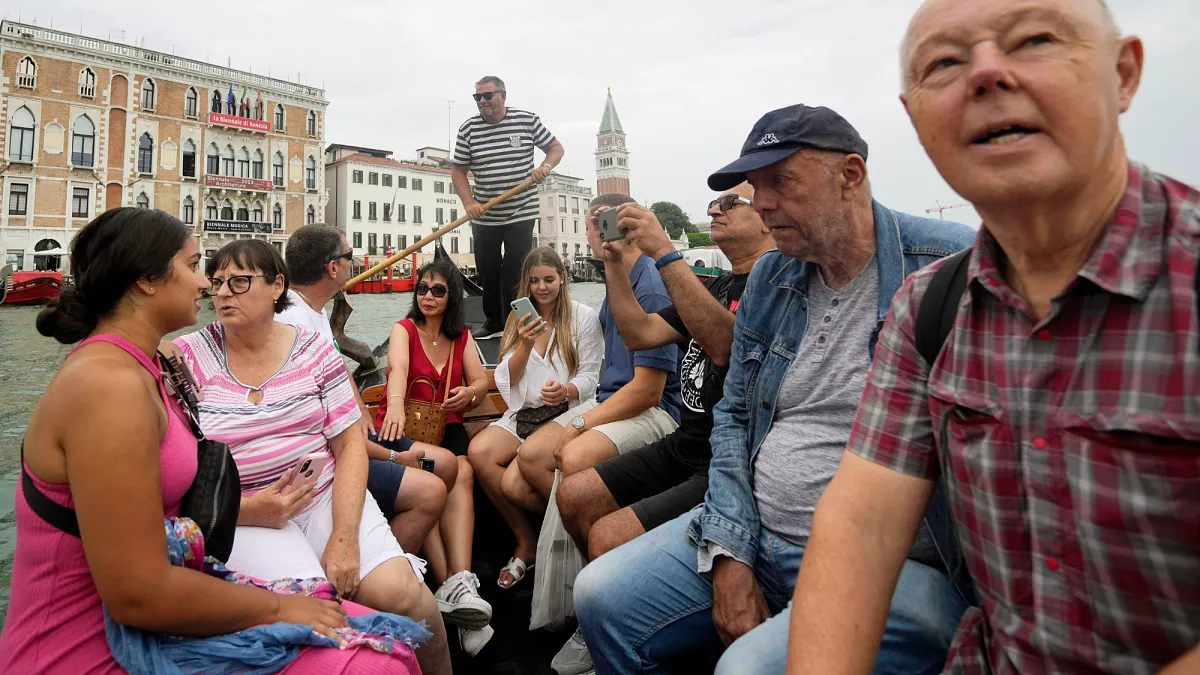
Everyone loves a magical gondola ride or a stroll along the canals, but imagine sharing Venice’s picturesque alleys with more tourists than residents on peak days—it’s become a daily struggle for locals. The city’s returning daytripper fee in 2026 aims to restore some balance, targeting those infamous “hit-and-run” visitors who flood in for a quick photo and vanish, leaving behind strained resources and frustrated residents. After a trial in 2025, where visitor numbers dipped only slightly despite the charge, officials have extended the levy to 60 days this year, from April to July weekends.
Starting in April, daytrippers must pay from Friday to Sunday, specifically on dates like the 3rd to 6th, 10th to 12th, and so on through the months, all active only between 8:30 a.m. and 4 p.m. It’s not a blanket tax; residents, Venetian locals, students, workers, and those with hotel bookings are exempt, making it feel fair and focused on true interlopers. Picture a family skipping the fee because they’re staying in a cozy vaporetto-side hotel—the system rewards those who genuinely support the city.
To make it easy, visitors can reserve online for an €5 fee or pay €10 on the spot without advance notice, receiving a QR code for checkpoints at key entrances like Santa Lucia station. No code? Expect a €50 to €300 fine—it’s a gentle nudge to play by the rules, ensuring Venice’s charm isn’t overwhelmed by unmanaged crowds. I remember chatting with a local shop owner who sighed with relief at fewer packed bridges last summer; it’s these small wins that keep the community alive.
Venice has battled overtourism for decades, with activists warning that tourist beds now outnumber resident homes as the population shrinks below 50,000. That imbalance clogs winding paths and vaporetto stops with luggage-laden hordes, pushing families toward mainland suburbs for peace. The fee is seen as a pioneering tool, as councillor Michele Zuin proudly notes, helping manage flows and attract global interest. It’s experimental, yes, but imagine a Venice where you can actually hear the water lapping without shouting over selfie sticks.
Yet, even with the tax, 2025 saw a modest drop—from 16,676 to 13,046 average paying trippers daily— aligning with regional tourism declines rather than a dramatic shift. On the busiest day, May 2nd, nearly 25,000 paid up, equaling half the residents; it’s a reminder the fee alone isn’t a silver bullet. We need to keep evaluating and perhaps combine it with other measures, like promoting off-season visits, to truly humanize Venice for its people.
Ultimately, this fee is about respect: respecting the fragile beauty of a sinking city and its resilient inhabitants who’ve watched their home change unrecognizably. As a traveler myself, it makes me want to stay longer, contribute more, and leave Venice thriving for future generations. Let’s pay up nicely and cherish the magic—it’s worth every euro.