





Imagine scrolling through your Instagram explore page these days, and it’s like every traveler you know has traded beach vibes for something a bit more exotic and adventurous. Suddenly, it feels like the whole world is obsessed with the ‘stans – Kyrgyzstan with its wild mountains, Tajikistan’s rugged peaks, the desert mystique of Turkmenistan, the vast steppes of Kazakhstan, and Uzbekistan, the jewel of them all, with its ancient Silk Road charm. It’s not just a fleeting trend; it’s a full-blown movement. Friends are sharing sunsets over lake-laden valleys in Kyrgyzstan, treks through Tajikistan’s Pamirs, elaborate waterless fountains in Turkmenistan, the futuristic skyscrapers of Kazakhstan’s Astana, and those hypnotic Uzbek mosaics that make you want to pack your bags right now. And honestly, who can blame them? These destinations aren’t just Instagram filters; they’re real-life escapes, blending history, culture, and natural wonder in ways that make ordinary vacations feel stale. I’ve lost count of how many times I’ve double-tapped a post from a fellow wanderer crossing snowy passes or sipping chai in a teahouse, only to feel that itch to explore myself. It’s like the Global North has rediscovered Central Asia, and the spotlight is shining brightest on Uzbekistan, where every corner tells a story from a thousand years ago. The allure is undeniable – crisp mountain air, spiced markets, and cities that feel like stepping into a living museum. Travelers are drawn in by the promise of authenticity, far from the overcrowded paths of Europe. It’s not just about the photos; it’s about that genuine connection to places that have shaped empires. And with the ease of flights and visas loosening up, more people are making the leap, sharing their journeys online and inspiring that endless scroll of envy and wanderlust. This surge in popularity isn’t random; it’s a wave of curiosity about lesser-known worlds, and Uzbekistan is riding it like a desert camel train, pulling in explorers from all over. But beyond the hashtags, there’s a real transformation happening in how people experience this region – from armchair dreamers to actual boots-on-the-ground adventurers, everyone wants a piece of that Central Asian magic.
With travel trends booming, the data tells a compelling story that backs up what we’re seeing on social media. According to the United Nations World Tourism Organization’s latest report released in 2025, Uzbekistan is among the fastest-growing countries for international visitors globally, boasting a staggering 14% increase in arrivals year-over-year. That’s not just numbers; it’s a testament to how this nation is awakening from its Soviet slumber and embracing its Silk Road heritage. Unlike the flashy ski resorts or island getaways that dominate other lists, Uzbekistan’s appeal lies in its timeless appeal – the blend of nomadic traditions, Islamic architecture, and sprawling landscapes that feel untouched by time. Tourists are flocking here for more than just the sights; they’re coming for immersive experiences, whether it’s grazing with shepherds in the green Chu Valley or meditating by tranquil lakes in the tidapon region. This growth isn’t confined to a few hotspots; it’s surging across the board, with visitors discovering hidden gems like the forested enclaves of the Araban region or the vibrant festivals in the Fergana Valley. The UN’s barometer doesn’t just highlight Uzbekistan; it paints a picture of Central Asia as the new frontier for sustainable tourism, where eco-conscious travelers find solace in low-impact adventures. And let’s not forget the practical perks: easier access via direct flights from major hubs, a welcoming network of homestays, and an increasing roster of English-speaking guides making it feasible for solo explorers. For context, this isn’t like the tourism booms we saw post-COVID in places like Thailand or Greece; Uzbekistan’s rise is organic, fueled by word-of-mouth and social proof. People are sharing epic tales of plov lunches in family homes or horseback rides through ancient trails, creating a ripple effect. It’s a reminder that sometimes the best destinations are the ones that have quietly waited their turn, and now, with visitor numbers climbing, Uzbekistan is firmly on the map. That 14% uptick means more airlines adding routes, more boutique hotels popping up, and a burgeoning travel infrastructure that’s making dreams into reality. In an era where over-tourism plagues so many spots, this growth feels refreshing – deliberate, cultural, and community-driven, ensuring that visitors leave not just with memories, but with a deeper understanding of a land rich in stories.
As a key artery of the ancient Silk Road, Uzbekistan has long been the crossroads of empires, and nowhere is that legacy more palpable than in its fabric of cities. Khiva, one of the famed Silk Road outposts, embodies this perfectly. Nestled in the northern deserts, this city was the final pit stop for caravan traders hauling spices, silks, and gold before venturing into the harsh Iranian deserts. Soon, however, the journey to Khiva from the capital Tashkent is set to become a breeze, thanks to a groundbreaking high-speed rail line launching on May 2. This isn’t just any train – it’s a marvel of modern connectivity, equipped with luxury carriages: VIP seats for those who want champagne service, business class for comfort seekers, and economy options keeping it accessible. The real game-changer? Travel time slashed from a grueling 14-hour saga of dusty roads and layovers to a sleek seven-and-a-half-hour ride, making Khiva more accessible than ever. Picture zipping through the steppes at high speeds, with onboard dining and Wi-Fi, all while passing villages that feel frozen in time. This rail upgrade is part of Uzbekistan’s broader push to integrate ancient wonders with contemporary ease, ensuring travelers can focus on the magic rather than the commute. For those contemplating a trip, it’s a no-brainer – book that ticket, settle into your seat, and let the anticipation build as the desert unfolds outside the window. Arriving in Khiva isn’t just about the destination; it’s about the journey transforming from an ordeal into an adventure prelude. And with the launch just around the corner, it’s priming a new wave of exploration, where history buffs and casual wanderers alike can dive into Uzbekistan’s soul without the logistical headaches. Personally, I can already envision the thrill of that train ride, blending the excitement of a bullet train with the romance of ancient trade routes – a perfect blend of past and present that defines what travel in this region is all about.
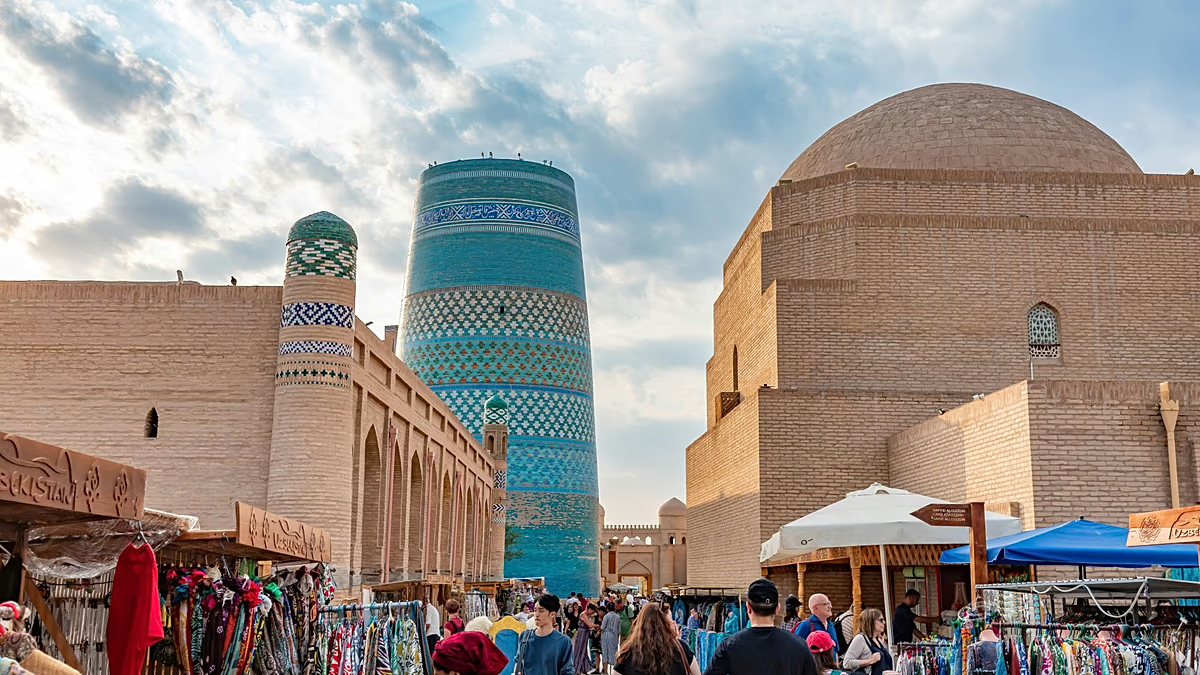
Diving into Khiva, you’ll find yourself transported to a world untouched by the centuries, where every stone whispers tales of conquest and commerce. The crown jewel is Itchan Kala, the walled inner city that’s a living testament to Uzbekistan’s heritage. Designated as Central Asia’s first UNESCO World Heritage Site back in 1990, this fortified enclave spans acres and houses over 50 ancient monuments, each a chapter in the region’s turbulent history. Wander through its labyrinthine streets, imagining the bustle of Silk Road traders bartering goods, and you’ll understand why it’s so revered. Among the highlights, the Juma Mosque stands out – a quintessential Uzbek marvel with its innovative design, featuring a covered courtyard that shields worshippers from the harsh desert sun and winter winds, unlike other regional mosques. It’s not just functional; it’s architectural poetry, with columns carved from ancient wood and an atmosphere that invites quiet reflection. Nearby, the Konya Ark, the city’s old citadel, rises like a watchful guardian, its towers etched with the marks of time and former khans who ruled with iron resolve. Exploring its halls, you can picture royal feasts and strategic councils, with echoes of banners fluttering in the wind. Then there’s the Pahlavon Mahmud mausoleum, a stunning blue-tile edifice that gleams under the sun, its intricate majolica patterns telling stories of heroism and faith in every curve. For panoramic thrills, climb the minaret of the Islamkhodja Madrasah – it’s a humble-looking tower from afar, but the ascent rewards with jaw-dropping views over the walled city, where rooftops intersperse with distant dunes, and you can almost hear the camel bells from bygone eras. These sites aren’t just sights; they’re immersive experiences, where guides share folklore and you can touch the worn bricks of history. Spending a day here feels like stepping into a storybook, with the warmth of friendly locals adding a personal touch. Whether you’re a photographer capturing golden hour glows or a history nerd deciphering Arabic inscriptions, Itchan Kala captivates, reminding you why UNESCO deemed it irreplaceable. It’s a place that humanizes the past, making you ponder how lives were lived in this harsh yet beautiful landscape – from scholars poring over scrolls to artisans crafting beauty from mud and tile.
At the heart of the Silk Road’s allure was trade, and Khiva’s eastern gate reveals exactly that spirit alive and kicking in the modern bazaar. This bustling market isn’t your average souvenir spot; it’s a vibrant extension of centuries-old tradition, where the aromas of spices and the chatter of haggling transport you right back to those caravan days. Step through the gate, and you’re enveloped in a feast for the senses – stacks of dried fruits like apricots and raisins, pyramids of saffron and cumin, and displays of handmade carpets that beckon with intricate patterns. But the real highlight? Sampling traditional Uzbek cuisine that has sustained travelers for eons. Dive into a bowl of laghman, those hand-pulled noodles tossed with lamb and onions, rich and comforting like a hug from the desert. Or try samsa, flaky pastries stuffed with meat and onions, piping hot and perfect for a quick bite. For something sweeter, indulge in chak-chak, a crispy treat of fried dough blended with honey, or halva, that dense candy that’s equal parts sticky and heavenly. Merchants, often with faces weathered like the land, are quick to offer tasting samples, sharing stories of their families’ recipes passed down through generations. Besides food, the bazaar is a paradise for hunters of knickknacks: embroidered skullcaps, silver jewelry inlaid with turquoise, handmade leather pouches, and ceramics painted with motifs that mirror the mausoleums you’ll see. It’s not just shopping; it’s cultural exchange, where you can strike up conversations with vendors about life in Khiva, learning how they blend old customs with modern commerce. For instance, bargaining here is an art, not a battle – a friendly dance of offers and counteroffers that often ends with laughter and new friendships. If you’re traveling with kids, there are toys carved from wood, or perhaps a live music session with traditional instruments like the dutar. This bazaar keeps the Silk Road’s entrepreneurial pulse beating, making it a must-visit for anyone wanting to feel the human side of trade – not as economics, but as community and connection. It’s where history peels back layers, revealing the joys of everyday life in a place where commerce has always been synonymous with culture.
Venturing just outside the formidable walls of Itchan Kala, another gem awaits: the Nurullaboy Palace, a splendid testament to Uzbekistan’s architectural fusion and a personal favorite among my travels. Completed in 1912 under the rule of the last Khana of Khira, this building marries local Uzbek artistry with the opulent style of Imperial Russia, creating a structure that’s as eclectic as it is enchanting. Surrounded by palm-lined gardens that soften the desert’s edge, the palace stands as a two-story marvel of symmetry and ornateness, its facade adorned with intricate plasterwork that shimmers in the sunlight. Inside, the rooms are a treasure trove of frescoes depicting scenes from Uzbek folklore, blended with Russian motifs – think chandeliers that glitter like stars in a night sky, alongside detailed tilework that echoes the mausoleums within the city. It was built as a summer residence, a retreat from the stifling heat, and one can imagine leisurely afternoons spent wandering its halls, sipping iced kompot while the courtyard fountains play their soothing song. Today, it’s open to visitors as a museum, where you can explore exhibits on the Khanate era, complete with period furnishings and artifacts that bring the stories to life. For photographers, the colonnaded verandas offer perfect framing for sunset shots, with the distant walls of Itchan Kala adding a layered depth. What really humanizes the palace is its quiet elegance – no crowds, just a serene space to reflect on the region’s identity crossroads. Guides here are passionate, sharing anecdotes about the khan who commissioned it and the influences that shaped its design, from Persian gentry to Tsarist flair. A visit here isn’t rushed; it’s a meditative pause, perhaps over a cup of green tea in the shade, contemplating how empires collided to create such beauty. Wrapped in manicured grounds that invite picnics or just sitting with a journal, Nurullaboy Palace is a harmonious blend of worlds, leaving you inspired to delve deeper into Uzbekistan’s narrative. As you depart, you’ll carry that sense of harmonious diversity – a microcosm of what makes Khiva, and Central Asia, so irresistibly human. So, if you’re plotting a visit, add this to your itinerary; it’s the perfect capstone to Khiva’s wonders, reminding us that history isn’t just stone and story – it’s the people, cultures, and dreams that wove them together. In a world yearning for connection, places like this offer the real gold of the Silk Road: timeless inspiration. And as your train departs back to Tashkent, you’ll know that Uzbekistan’s magic is just the beginning of your own adventure story.