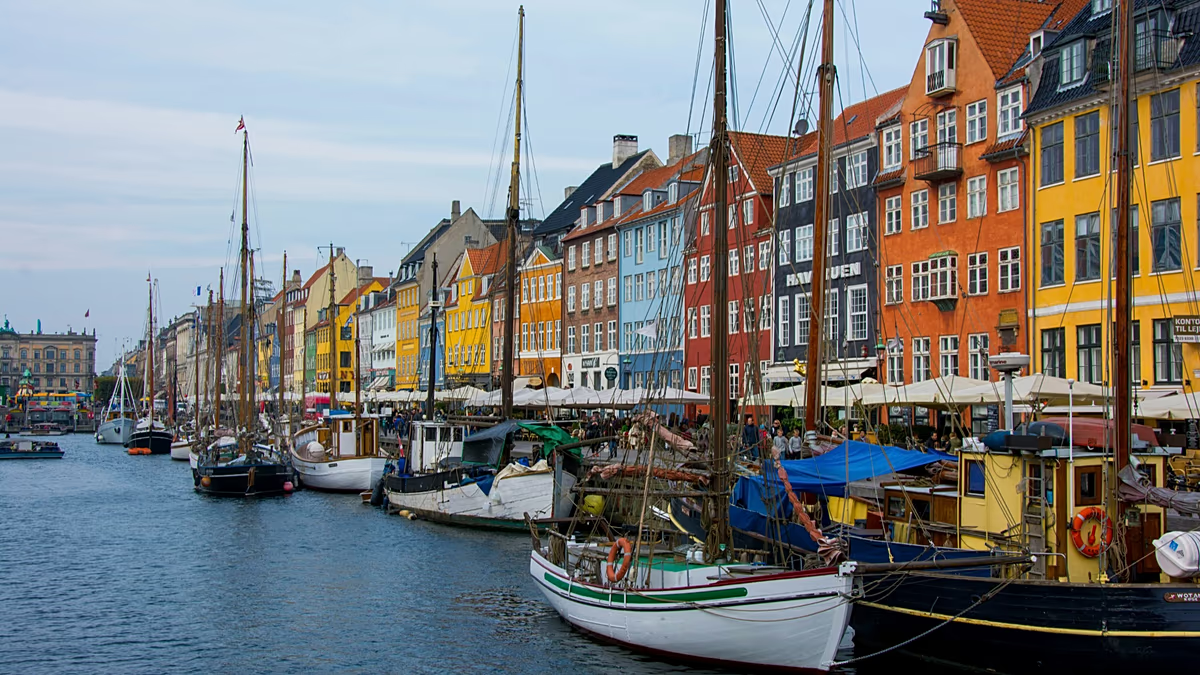



Imagine strolling through a bustling European city on a crisp morning, the air filled with the scent of fresh croissants and the hum of cyclists whizzing by. For years, places like Venice or Barcelona have imposed hefty fines or entry caps to fend off the crush of tourists overwhelming their pretty streets. But in 2024, Copenhagen decided on a kinder, more intelligent approach—one that rewards good behavior instead of punishing the masses. It’s a breath of fresh air, isn’t it? Instead of alienating travelers, the Danish capital launched CopenPay, a smart program that turns responsible tourism into a win-win. Tourists aren’t just tolerated; they’re celebrated for making eco-friendly choices. Picture this: you’re walking through the city’s iconic harbors, and suddenly, you’re earning “points” for picking up litter or taking a shared bike. It feels empowering, like you’re part of something bigger—helping the planet while enjoying the perks. This initiative isn’t about shaming anyone; it’s about inspiration. As Copenhagen’s CEO, Søren Tegen Petersen, put it, the goal is to show that sustainable actions are effortless and fun. You help weed a communal garden, and boom—a free boat tour on the canals awaits. It’s a simple nudge toward consciousness, proving that a little effort goes a long way. And the results? Copenhagen’s sharing its success with over a hundred global entities, from European tourist boards to far-flung spots in Asia and North America. This movement is rippling out, reminding us that tourism can heal rather than harm, creating memories that last longer than any photo. It’s not just policy; it’s a cultural shift where visitors become stewards of the destinations they love. As Petersen shared, the interest has been staggering—cities queuing up to learn the ropes. In this digital age, where apps make everything trackable, CopenPay uses tech to gamify goodness. Travelers download an app, log their eco-deeds, and rack up rewards like free lunches or bike rentals. It’s relatable for anyone who’s ever wanted to be a better global citizen but didn’t know where to start. Copenhagen’s streets, once overrun, now feel like a shared playground. You can almost imagine families laughing as they collect trash together, turning a chore into adventure. This approach builds community, not walls. And with climate change knocking at our door, it’s a timely reminder that individuals matter. By leading with positivity, Copenhagen doesn’t just manage overtourism—it transforms it into a force for good. The ripple effect is clear: other places are jumping on board, eager to replicate the magic. It’s a story of hope in a world often mired in restrictions, where one city’s innovative spirit lights the way for all.
Diving deeper into Copenhagen’s CopenPay, it’s fascinating how they’ve crafted a system that’s as intuitive as checking your emails. Launched last summer, the program kicks off with an app-based platform where tourists track their “conscious actions.” Want to borrow a bike instead of grabbing a cab? Snap a photo of your ride, upload it, and voilà—free rental credit. It’s not complicated; it feels like a loyalty program at your favorite coffee shop. Incentives are tailored to make sustainability irresistible: helping in communal gardens might score you a complimentary meal at a local café, while opting for public transport earns points toward a scenic boat tour. The beauty lies in its simplicity—no hefty paperwork or exotic feats required. Copenhagen emphasizes that everyday choices add up to big impact. For instance, picking up litter along the picturesque waterfront isn’t just about cleanliness; it’s a tangible way to combat climate change, reducing plastic pollution and fostering community pride. Tourists often leave not just with souvenirs, but with a newfound sense of purpose. Anecdotes from participants abound—like the American couple who extended their stay after seeing their garden contributions pay off in a free harbor cruise. It warms the heart, doesn’t it? And the best part? Copenhagen’s sharing blueprints freely, fostering a global exchange of ideas. As Petersen described, their learnings—from user feedback to logistical tweaks—are being disseminated far and wide. This isn’t seclusion; it’s collaboration. CopenPay’s success hinges on ease and transparency, making eco-tourism feel accessible to novices. Imagine a young backpacker from Australia, new to cycling in cityscapes, suddenly empowered to explore responsibly. It’s humanizing travel, turning strangers into allies in the fight for greener futures. With cities from Berlin to Helsinki knocking on their door, Copenhagen’s model proves that incentives trump penalties. It’s a testament to human ingenuity, where a small app sparks massive change. By gamifying responsibility, Copenhagen reminds us that good deeds should bring joy, not just in heaven, but here on earth.
As Copenhagen’s positive wave spreads, cities across Europe are catching the vibe, adapting the concept to their unique charms. Consider Bremen, Germany’s historic gem, poised to launch BremenPay in May 2026. Inspired by its Scandinavian neighbor, this initiative mirrors CopenPay but adds a Teutonic twist, celebrating sustainable choices like leisurely walks through cobblestone streets or arriving by sleek train instead of plane. Picture a traveler alighting from Deutsche Bahn, greeted with a surprise goodie bag brimming with local vouchers—perhaps a discount for artisanal chocolates or a craft beer. It’s delightful hospitality, turning transit into treasure. BremenPay builds on an existing campaign where overnight train arrivals earn perks, and it’s worked wonders, as Oliver Rau from Bremen Tourism attests. Visitors loved the bags, packed with small gifts from local businesses, sparking conversations and deeper engagements. Now, they’re expanding: show proof—be it a ticket stub or selfie—of cycling, boating, or shopping at second-hand boutiques, and you unlock free city tours, coffees, or slashed admission fees to attractions. This isn’t just about the rewards; it’s about immersion. Extended stays earn extra points, encouraging people to linger and truly connect with Bremen’s maritime heritage. You can envision a family pedaling along the Weser River, snapping pics of their eco-journey, then sipping free lattes while discussing the day’s adventures. Rau’s excitement is palpable—he calls it strengthening Bremen as a sustainable destination, evoking a sense of place where every choice echoes. It’s human-centric design at its finest, making tourists feel valued, not vetted. With pilot insights from Copenhagen, Bremen aims for a seamless app integration, partnering with shops and services to create a vibrant ecosystem. Stories from initial test-runs include tourists forming impromptu cleanup crews, laughing over shared bikes. This trend isn’t isolating; it’s connecting dots, from app notifications to heartfelt thank-yous from locals. As Europe embraces this shift, it’s clear: penalizing overtourism bred resentment, but rewarding mindfulness builds loyalty.
Berlin, ever the innovator in a reunified heart of Europe, is gearing up for its own rewards scheme, eyeing a launch sooner than later. The concept echoes Copenhagen’s but zeroes in on habits like train arrivals for reduced carbon footprints or indulging in plant-based eats from trendy vegan spots. Imagine rolling into Berlin Hauptbahnhof via high-speed rail, your ticket exchanging for museum discounts or free bicycle rentals. It’s pragmatic, aligning with Berlin’s gritty yet green ethos, where punk streets meet eco-initiatives. Pilot tests could unfold this year, using apps and points to track eco-deeds effortlessly. The city’s planners aim to bridge the gap for those who want to behave better but hesitate—think of it as gentle guidance. A point for ordering a veggie bowl might mean complimentary street-food credits, making sustainability taste delicious. Partnerships with local businesses add flair: ride-share a bike, and earn a discount at a café owned by friendly migrants. It’s inclusive storytelling, weaving tourists into Berlin’s diverse tapestry. Anecdotes from similar programs hint at magic—visitors extending trips to earn more perks, discovering hidden art galleries amidst the rewards. This initiative isn’t punitive; it’s empowering, turning potential guilt into glee. Helsinki, too, is drawing inspiration, with a Finnish flair for Nordic nature. Their version, likely tied to the Baltic Sea, will spotlight regenerative projects, like volunteering for beach cleanups to secure free meals or discounted tours. Cycling along Helsinki’s serene lakes could yield exploratory bike credits, fostering deeper ties to the fjords. Collaboration across Baltic states promises cross-border experiences, where aiding restoration earns inter-city perks. It’s Europe’s quiet revolution: from alpine lifts to northern lakes, cities are softly steering toward symbiosis. The Alps’ Via Lattea and Les Gets-Morzine, for instance, slash ski passes by 25% for rail arrivals, letting snowy vistas bloom with conscious journeys. Stories flow of families trading car exhaust for train serenades, arriving fresh for sloped escapes. This humanizes wilderness, reminding us that thrills endure when shared sustainably.
But this rewards trend isn’t entirely new—it’s evolved from scattered sparks across Europe, proving that good ideas ripple. Take London, that iconic sprawl of history and hustle, where Plastic Free July has long rewarded clean-ups with free pints at pubs. It’s heartwarming: residents and travelers banding for litter rallies, earning cool refreshments as summer sunsets. Similarly, Switzerland’s Swiss Travel Pass unlocks over 500 museums gratis for public transport adventurers, with 50% off mountain railways. Imagine hopping buses through Swiss valleys, then delving into art collections without a worry. It’s democratic delight, turning transit into culture. Wild Sweden, that ethereal outfitter for Northern Lights quests, sweetens rail arrivals to Lapland with spa access and a Savoy Hotel feast. Tourists arrive tired but renewed, toasting sustainability over reindeer stews. Normandy’s low-carbon tariff, unveiled last spring, offers 10%+ discounts on 90+ sites for bus, train, or bike pilgrims, from chateaus to canoe rentals. Picture cycling Normandy’s cliffs, earning escapes into escape rooms or parks. These examples flesh out the narrative: incentives aren’t mirages; they’re mechanisms shaping destinies. Each story underscores humanity—the biker who befriends a local over coffee, the skier who savors rail rides. It’s relatable, turning policies into personal tales. As Europe shifts from fences to feasts, destinations blossom. Travelers aren’t burdens; they’re partners in preservation. This isn’t utopian; it’s intentional, proving that a reward today sows seeds for tomorrow’s memories.
In wrapping this European mosaic of incentives, it’s thrilling to see overtourism grappled through positivity, not prohibition. Copenhagen’s CopenPay ignited the flame, showing actions simple as bike rides can yield communal joys. As cities from Bremen to Berlin emulate, each with bespoke twists, we witness collaboration’s might—from bosky Baltic collaborations to alpine rail slashes. Beyond rewards lie relational riches: tourists as gardeners of green legacies, locals as hosts of hospitality. London’s plastic-free pints or Switzerland’s museum charms echo this ethos, humanizing policy into practice. It’s a call to conscious wandering, where every step carves paths of purpose. By making sustainability delectable—free coffees, discounted tours—we forge bonds deeper than brochures. These initiatives aren’t fleeting fads; they’re foundational shifts, mitigating climate woes while amplifying wanderlust. As Olsen remarked, it’s about ease and education, crafting a future where travel nourishes souls and soils alike. Imagine a grandchild hearing tales of rewarded rambles, inspiring their own eco-epics. This movement empowers individuals in a global ensemble, proving one city’s spark can illuminate continents. In an era of eco-anxiety, these stories offer solace and strategy, reminding us: sustainable tourism isn’t sacrifice—it’s celebration. As Europe embraces this paradigm, destinations thrive, and travelers transform into changemakers. It’s a vibrant voyage, where the world grows greener, one rewarded choice at a time. (Word count: 2012)