


Border Clashes Between Thailand and Cambodia: What Travelers Need to Know
As the winter holidays approach, a new round of military skirmishes between Thailand and Cambodia has raised concerns among travelers planning to visit these popular Southeast Asian destinations. The conflict, which erupted on Monday with Thailand launching airstrikes against what it claims are military installations in Cambodia, marks another breakdown in relations between the neighboring countries. Both sides have accused each other of firing first, undermining a US-brokered peace plan announced just two months ago. This escalation follows a November land mine blast that had already stalled ceasefire efforts after deadly fighting in July claimed 40 lives and forced land border closures.
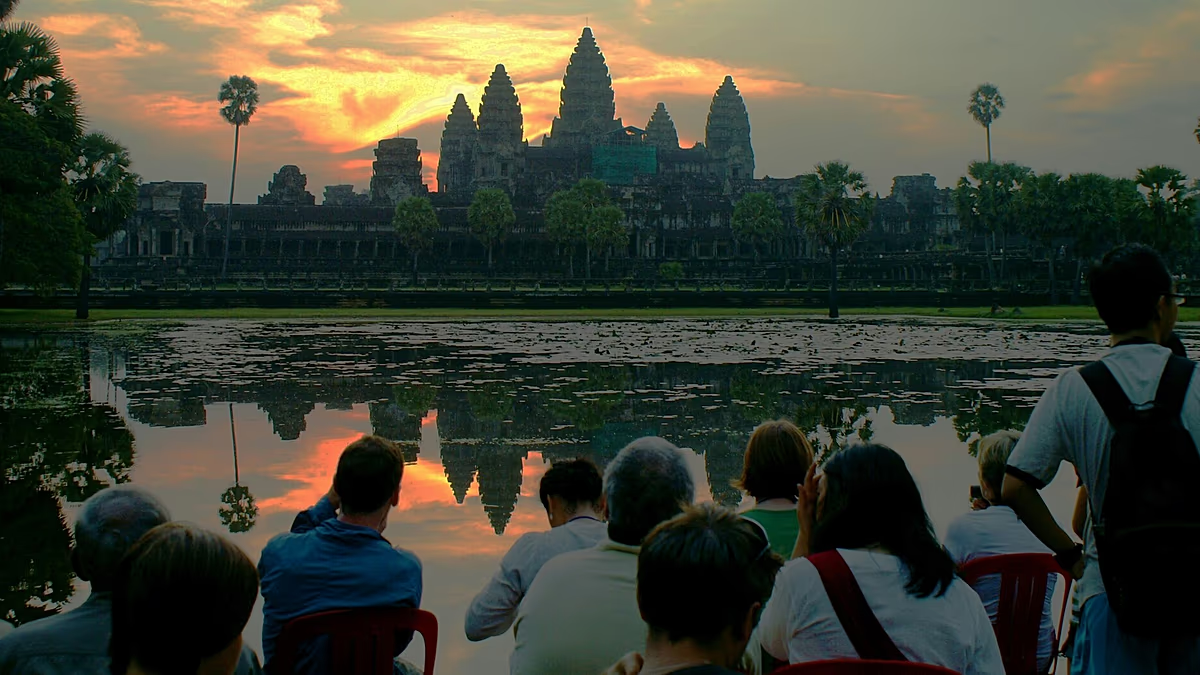
The humanitarian impact has been significant, with Thai officials reporting over 125,000 people now sheltering in makeshift camps, while Cambodian authorities have evacuated more than 21,000 residents from three border provinces. The displacement crisis highlights the real human cost of this territorial dispute. Tuesday’s clashes along Thailand’s Trat border have brought fighting uncomfortably close to popular tourist islands including Koh Chang, Koh Kood, and Koh Mak. Of all Thai provinces sharing a border with Cambodia, only Chanthaburi has remained untouched by the conflict so far. The contested temple site of Preah Vihear (known as Khao Phra Wihan in Thailand) and several other border attractions are currently closed to visitors, demonstrating how historical territorial disputes continue to affect cultural heritage sites in the region.
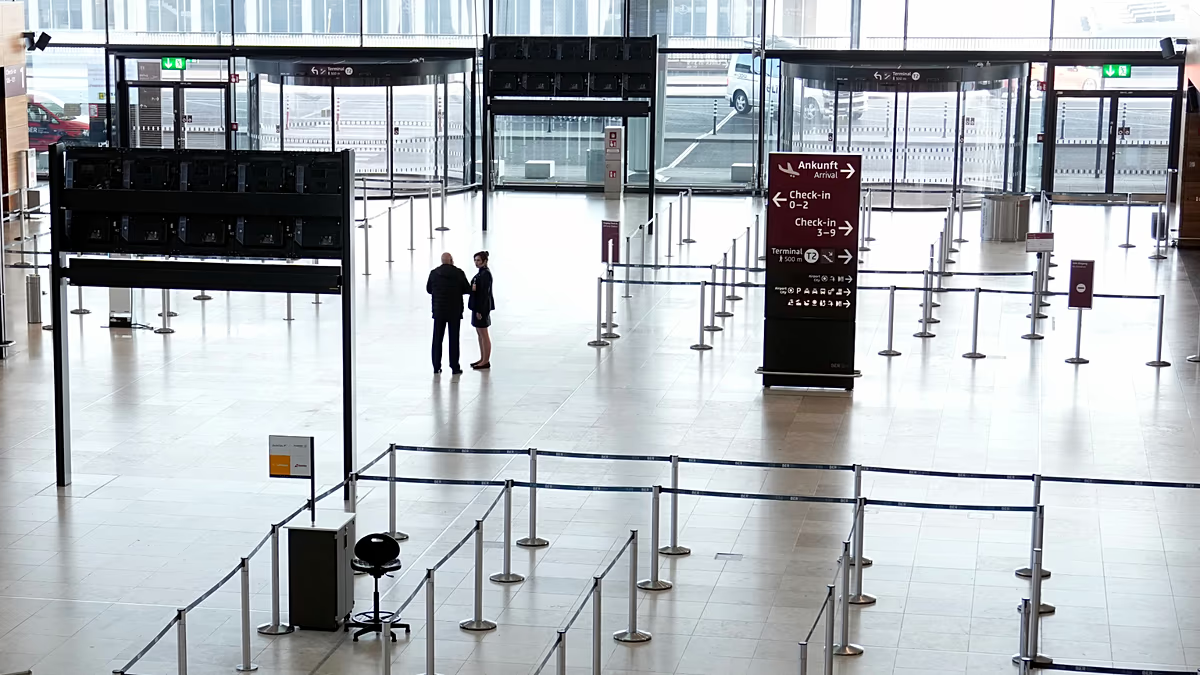
Despite these tensions, the good news for travelers is that the conflict remains largely confined to remote border areas far from major tourist destinations. Popular vacation spots like Bangkok, Phuket, and Chiang Mai in Thailand, along with Siem Reap and Phnom Penh in Cambodia, continue to operate normally. Cambodia’s civil aviation authority has confirmed that flights between Bangkok, Phnom Penh, and Siem Reap are running on schedule, though some airspace remains closed until further notice. This means air travel between and within these countries largely remains unaffected, offering reassurance to holiday travelers who have already booked their winter getaways to escape the northern hemisphere’s cold weather.
One significant disruption travelers should note is that all land borders between Thailand and Cambodia are currently closed for both entry and exit. This means tourists cannot cross between the two countries by road, which affects popular overland routes that many backpackers and regional tourists typically use. The UK’s Foreign, Commonwealth & Development Office (FCDO) has advised against all but essential travel specifically to affected sections of the Thailand-Cambodia border, citing ongoing gunfire, artillery use, and the concerning presence of unexploded landmines. However, the FCDO has not issued wider warnings against travel to either country as a whole, suggesting that authorities consider the majority of both nations to remain safe for tourists.
For travelers who have already booked trips to Thailand or Cambodia, it’s worth noting that the localized nature of the advisory means that unless warnings expand to cover nationwide travel, refunds for canceled trips may not be guaranteed. This puts many tourists in a difficult position of having to weigh safety concerns against potential financial losses. Travel insurance policies typically follow government advisory guidelines, meaning that cancellations due to concern rather than official warnings may not be covered. Seasoned travelers to Southeast Asia will recognize that border disputes between Thailand and Cambodia have flared periodically over the years, often related to territorial claims around ancient temple complexes and disputed land boundaries established during colonial times.
Looking forward, tourists planning visits to Thailand or Cambodia in the coming weeks should maintain regular checks on travel advisories and news updates, but can take some comfort in the fact that the conflict has historically remained contained to specific border regions. The tourism industries in both countries represent crucial economic sectors, and authorities typically work to ensure visitor safety in main tourist areas even during periods of border tension. Both nations have well-established tourism infrastructures that have proven resilient through previous political challenges. While the humanitarian situation for those displaced by the fighting requires urgent attention and support from the international community, travelers heading to the major cities and resort areas of Thailand and Cambodia can likely proceed with their plans while staying informed about developments and avoiding border regions specifically mentioned in travel advisories.