






The Nordic Approach to Wellness: Ancient Wisdom Meets Modern Living
In the northern reaches of Europe, where winter darkness stretches for months and summer brings the midnight sun, the Nordic people have cultivated a unique approach to wellness that is gaining global attention. “The Nordics are redefining wellness in ways that feel both ancient and thrillingly modern,” observes travel company Off the Map Travel, highlighting a philosophy that has evolved over centuries yet feels remarkably relevant in our fast-paced world. This Nordic wellness tradition isn’t about expensive spas or complicated regimens; instead, it centers on sustainable practices deeply connected to nature, community bonds, and finding balance in everyday life. What makes this approach so compelling is its accessibility—these are practices anyone can incorporate, regardless of wealth or location, focusing on simple pleasures and mindful living rather than consumption or status.
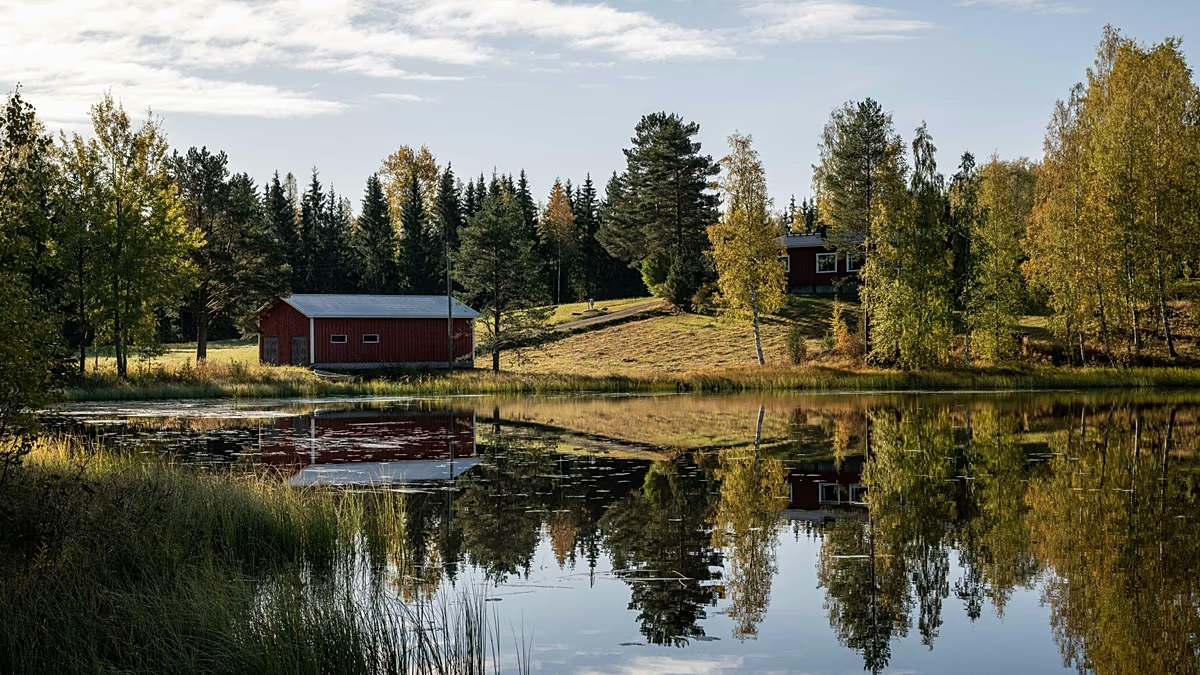
At the heart of Nordic wellness lies the concept of “friluftsliv” (free-air-life), the deeply ingrained cultural belief that connecting with nature is essential for wellbeing. Across Denmark, Norway, Sweden, Finland, and Iceland, people embrace outdoor activities regardless of weather conditions—hiking through forests in summer, cross-country skiing in winter, or simply taking daily walks. This isn’t exercise purely for physical fitness; it’s a holistic practice that nurtures mental health through natural surroundings. Studies increasingly confirm what Nordic people have long understood: time in nature reduces stress hormones, lowers blood pressure, and improves mood. The practice extends beyond recreation into daily commutes, work breaks, and family time, creating a lifestyle where outdoor experience is woven into everyday routines rather than reserved for special occasions or vacations.
The contrast-based wellness practices of the region particularly exemplify the Nordic comfort with embracing extremes. Perhaps most famous is the sauna culture that originated in Finland but exists across the region, where intense heat (often reaching 175-212°F) is followed by plunges into icy lakes, snow rolls, or cold showers. This isn’t merely tradition but a practice now supported by scientific research showing benefits including improved circulation, reduced inflammation, stress relief, and enhanced immune function. Similar principles appear in Nordic cuisine, where seasonal eating creates natural contrasts—warming, hearty dishes during cold months and lighter fare during summer abundance. This culinary philosophy emphasizes quality over quantity, focusing on local, seasonal ingredients that connect people to their environment while providing optimal nutrition for each season’s distinct challenges and opportunities.
Beyond the physical aspects, Nordic wellness encompasses a profound appreciation for mental wellbeing through balance and moderation. The Danish concept of “hygge,” Swedish “lagom” (just enough), and Finnish “sisu” (determined perseverance) all reflect different facets of a shared approach to life that values contentment over constant growth, sufficiency over excess. These philosophies manifest in work-life balance policies that are among the world’s most progressive, with shorter workdays, generous parental leave, and regular outdoor breaks built into many workplace cultures. They also appear in home design that prioritizes functionality, natural light, and connection to outdoors—spaces created not for show but for living well. Perhaps most importantly, these concepts support social wellness through community connections, with research consistently showing Nordic countries among the world’s happiest partly due to high social trust and strong community bonds.
The region’s commitment to sustainability represents another distinctive aspect of Nordic wellness, reflecting an understanding that personal health is inseparable from environmental health. This manifests in urban planning that prioritizes pedestrian and bicycle infrastructure over cars, buildings designed for energy efficiency, and preservation of green spaces within cities. Nordic diets typically include more plants and fewer animal products than many Western diets, with emphasis on foraged foods, local produce, whole grains, and fermented preparations that minimize waste while maximizing nutrition. Even the famous design aesthetic—with its emphasis on durability, timelessness, and quality craftsmanship—reflects a wellness approach that values longevity over disposability. These practices aren’t positioned as sacrifices but as enhancements to quality of life, creating healthier environments that support individual wellbeing.
What makes the Nordic wellness approach so relevant today is its rejection of wellness as a luxury product, instead framing it as a democratic right and daily practice accessible to all. Unlike commercialized wellness trends that often require significant financial investment, Nordic wellness practices focus on simple pleasures: walking in forests, swimming in lakes, preparing meals from scratch, and creating cozy gathering spaces with friends and family. These traditions offer powerful counterpoints to our often disconnected modern lives, providing practical ways to restore balance without exotic retreats or expensive equipment. As global interest in sustainable living and mental health continues to grow, the Nordic approach offers valuable lessons in creating lifestyles that nurture both people and planet. Their centuries-old wellness wisdom, continuously adapted for contemporary life, reminds us that sometimes the most profound solutions are also the simplest—found not in constant innovation but in remembering timeless human needs for nature, community, and balance.