





Storm Goretti Batters UK, Causing Widespread Travel Disruption
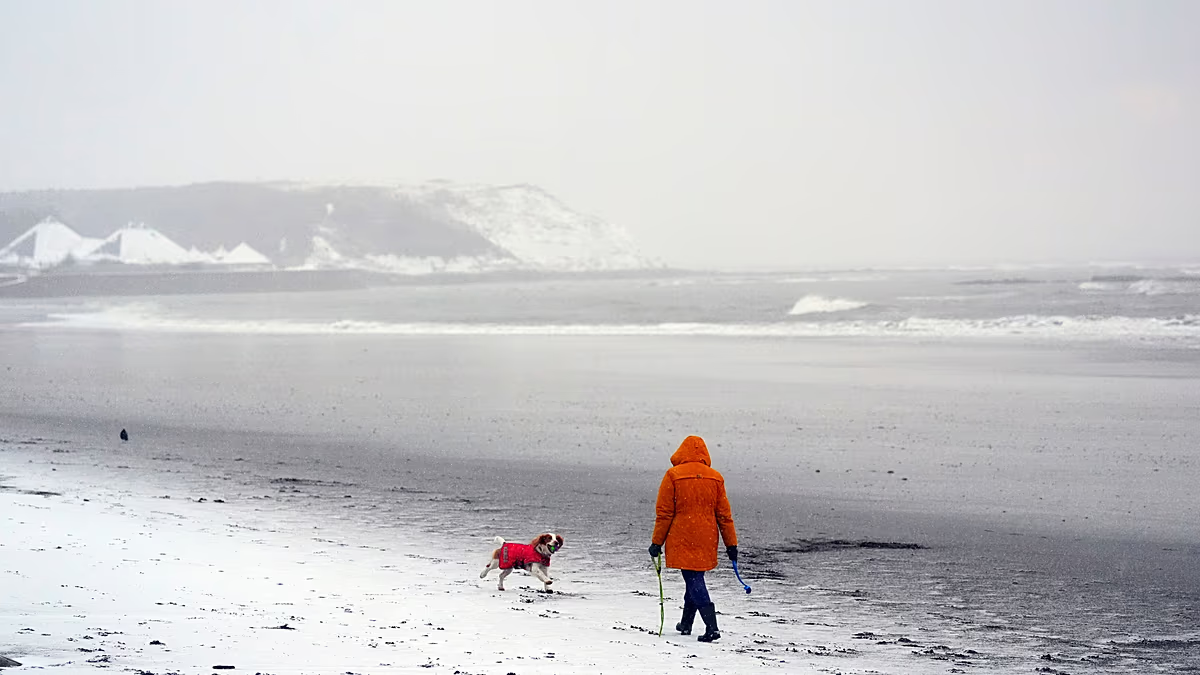
Storm Goretti swept across the United Kingdom overnight, bringing with it heavy snowfall, powerful winds, and plummeting temperatures that have disrupted daily life for thousands. The severe weather conditions have left tens of thousands of homes without power, while transportation networks across the country have been thrown into chaos. The storm’s impact has been particularly felt in the aviation and railway sectors, where operators were forced to take precautionary measures by implementing widespread cancellations starting yesterday evening. Today, fresh weather warnings for snow and ice remain in place throughout much of the country, suggesting that the disruption is far from over for many Britons trying to navigate their daily routines in these challenging conditions.
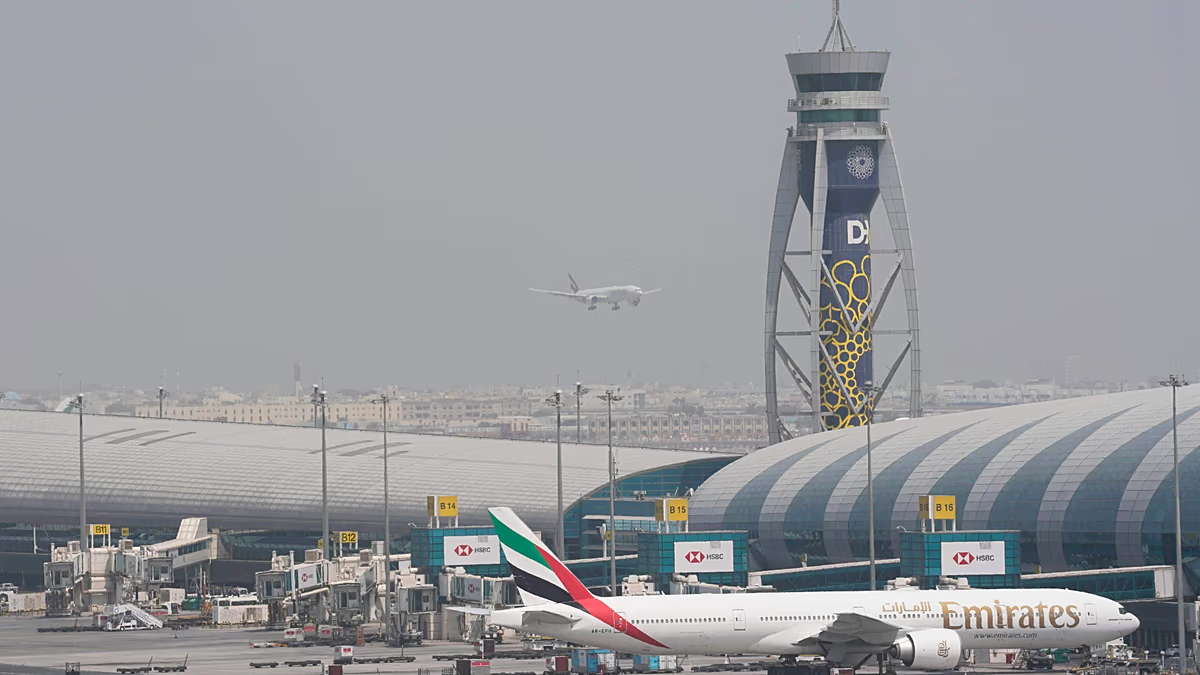
The aviation industry has been severely impacted, with airports across the UK experiencing significant disruptions to their operations. Both Jersey and Guernsey airports in the Channel Islands closed their doors yesterday evening as Storm Goretti approached, with some morning flights still canceled today before operations gradually began returning to normal by afternoon. London’s Heathrow Airport, one of the busiest transportation hubs in the world, has been particularly affected with at least 69 flights canceled on Friday alone – a disruption estimated to have affected more than 9,000 passengers. These cancellations include British Airways’ short-haul services to European destinations such as Frankfurt and Munich, as well as transatlantic routes operated by American Airlines, United Airlines, and Air Canada. Birmingham Airport has also been forced to reduce its runway operations, advising all passengers to contact their airlines directly regarding the status of their flights before attempting to travel. Meanwhile, Loganair, the UK’s largest regional airline, took the preventative measure of grounding flights to Scottish destinations including Orkney, Shetland, and Lewis, as well as services to the Channel Islands, offering passengers the option to rebook without additional charges for up to 14 days from their original travel date.
The railway network across the UK has perhaps faced even greater challenges than the aviation sector, with heavy snowfall, powerful winds, and rain bringing many services to a complete standstill. Network Rail issued an urgent advisory for passengers in the West Midlands to avoid railway travel entirely this morning following significant disruption to services, with many routes completely closed and others operating extremely limited schedules. East Midlands Railway made the decision to suspend all train services between Sheffield and Manchester until Saturday morning to minimize the risk of trains becoming stranded in severe weather conditions – a situation that would create even more significant challenges for both passengers and rescue crews. Across all affected networks, operators have warned that even trains that do manage to run may be subject to delays, cancellations, or last-minute alterations to their routes and schedules, making journey planning nearly impossible for many commuters and travelers alike.
The disruption extends beyond regional services to main arterial routes, with Avanti West Coast issuing a stark “do not travel” advisory until 1pm GMT today for Midlands routes due to the heavy snowfall’s impact on the critical West Coast Main Line. The operator implemented an amended timetable across all its routes from early morning until mid-afternoon, with hopes of resuming normal service thereafter, though they strongly recommended travelers adjust their plans to avoid these hours if possible. In a gesture of goodwill toward affected passengers, Avanti West Coast announced that tickets dated for Thursday or Friday would remain valid for travel on the same route until the following Monday at no additional cost. The situation in Birmingham and surrounding areas remains particularly severe, with advice against using rail services until at least midday today, and some lines potentially remaining closed until Saturday. Wales has experienced similar disruption across its rail network, while Cornwall has seen a complete suspension of train services until midday Friday. The severe weather hasn’t limited its impact to the UK alone, with northern France also experiencing powerful overnight winds that led to suspended train services across Normandy, Brittany, Hauts-de-France, and Île-de-France regions, with operators hoping to resume operations by early afternoon today.
Maritime transportation has not escaped Storm Goretti’s wrath, with ferry services across multiple routes feeling the effects of the powerful winds. Services between Dover and Calais – one of the busiest and most important shipping routes connecting the UK to continental Europe – have seen cancellations throughout Friday. Irish Ferries has taken the precautionary measure of bringing forward its sailings between Holyhead and Dublin not just for today but through the weekend, adjusting schedules in anticipation of deteriorating conditions. Brittany Ferries, which operates important routes connecting the UK, Ireland, France, and Spain, has been forced to cancel or reschedule several sailings, including connections between Rosslare and Cherbourg, Rosslare and Bilbao, and Santander and Portsmouth. The company has committed to contacting affected passengers directly via SMS or email with updated information as conditions evolve. Additionally, Northlink, which provides vital ferry connections between mainland Scotland and the northern islands of Orkney and Shetland, has warned passengers about possible disruptions to services extending from Friday through to Monday, suggesting that the storm’s impact on maritime transportation could be felt well into the coming week.
As Storm Goretti continues to move across the region, the full extent of its impact remains to be seen. The widespread disruption to transportation networks – by air, rail, and sea – offers a stark reminder of nature’s power and the vulnerability of our interconnected systems when faced with severe weather events. For thousands of travelers and commuters caught in the storm’s path, the coming days will likely bring continued uncertainty and the need for patience and flexibility. Meanwhile, emergency services and transportation operators face the challenging task of restoring normal operations while ensuring public safety remains the top priority. As meteorologists continue to monitor the storm’s progress and issue updated warnings, communities across the UK must prepare for the possibility of continued disruption while transportation networks work to recover from what has already proven to be a significant weather event with far-reaching consequences.