


Imagine stepping off a plane into a world where history, nature, and indulgence blend seamlessly together like a perfectly poured stein of cold beer. That’s Bavaria for you—the largest state in Germany and a destination that’s mastered the art of offering “everything” under the sun, or sometimes, under a sky full of stars. Claudia Mitchell from Bayern Tourismus Marketing nailed it at the ITB Berlin travel trade show: this place has breathtaking alpine hikes in the Bavarian Alps, cozy villages tucked away like hidden treasures, bustling cities like Munich that pulse with energy, and a cultural scene that’s alive year-round. But what really sets Bavaria apart is how it marries the allure of arts and culture with the thrill of unique food and drink experiences, and even the growing buzz of astrotourism. If you’re someone who can’t decide between soaking up history in a medieval palace or chasing the perfect plate of sausages and pretzels, Bavaria says, “Why choose?” You can have it all. I’ve always wondered how one place can feel like a giant hug from Mother Nature while also serving up world-class beer gardens. Turns out, that’s the Bavarian magic—creating holidays where every day feels like a warm invitation to adventure, no matter if you’re traveling solo or with a group. And with festivals popping up even in the quieter winter months, there’s never a dull moment. Think of it as escaping the ordinary grind of city life to dive into a lifestyle where traditions feel less like relics and more like a living chat over a shared table. As someone who’s always drawn to places that let you slow down and savor, Bavaria seems like a personal recommendation I’d give to any friend—it’s not just a trip, it’s a reset button for the soul.
But let’s talk about nature, because Bavaria’s outdoors game is a real standout, especially for those who are discovering astrotourism lately. Picture the Bavarian Forest, with its sprawling woodlands and pristine lakes that stretch as far as the eye can see—it’s not just for hikers anymore. Tourists are increasingly flocking here for the chance to stargaze in skies untouched by the glare of urban lights. Back in my early twenties, I remember camping in a similar spot in the Rockies and being floored by the night sky; it’s one of those experiences that makes you feel small and connected to the universe all at once. Bavaria has leaned into this by turning the Bavarian Forest Nature Park and National Park into an International Dark Sky Reserve in 2025, after concerted efforts to minimize light pollution. This means fewer neon signs or streetlights to spoil the view, leaving you with a “Sternenhimmel” — that’s German for a starry sky— that’s pure magic. Claudia Mitchell, with her enthusiastic nod to the wonders out there, described it as a show more or less, where the cosmos puts on a display without any city interruptions. I’ve heard stories from travelers who set up telescopes and watched shooting stars dance across the void, or just lay on their backs in the crisp air, contemplating life. It’s not overly commercialized either; you can find quiet trails leading to lookout points where the only sound is the wind rustling through pines. And as astrotourism gains traction globally, Bavaria offers a safe, accessible entry point—think guided night hikes or even eco-friendly lodges where star parties are organized. For me, it’s a reminder of why we travel: to witness something untouched, to feel the wonder that science and silence bring together. If you’re into that kind of introspective vibe, this is your spot, especially if you pair it with a daytime hike through mossy paths or along babbling brooks. The air smells of earth and freedom, and by night, it’s like the world dims just for you.
Diving deeper into Bavarian culture feels like unlocking a hidden chapter of European heritage, one that’s refreshingly authentic rather than staged. Start in Munich, the state’s vibrant capital, where Oktoberfest turns the city into a fairytale of lederhosen and dirndls fluttering in the breeze. Now, I’m no beer snob, but Bavarian brews have this hearty, comforting flavor that pairs perfectly with barbecued meats, like the iconic pretzels or Weißwurst sausages that locals devour mid-morning. Claudia Mitchell shared a lovely insight: it’s not a tourist facade—Munich residents genuinely dress up, pull out the long communal tables in beer houses, and celebrate together. I’ve reminisced about my own family gatherings, where food brings people together, and Bavaria echoes that same warmth. Picture yourself strolling into one of these beer gardens, not as a spectator, but as someone invited to join the chatter. Families mingle with tourists on those massive benches, sharing laughs over steins overflowing with foam—it’s that spontaneous connection that lingers in memories long after the flight home. The resonance between locals and visitors, as Mitchell put it, makes you feel like part of the community, not just a passerby. And it’s all tied to a centuries-old tradition where beer isn’t just a drink; it’s a cultural thread weaving through history. From the way they serve it—ice-cold and in giant mugs—to the folklore surrounding each brew, it’s a immersion that transports you back in time. Reminds me of my aunts’ stories from their European trips, where the best parts were the unplanned conversations. If you’re traveling with kids, these spots lighten up with soft pretzel treats; for couples, it’s romantic under string lights. Bavaria humanizes travel by showing that culture isn’t in museums alone—it’s lived daily, often with a smile and a toast.
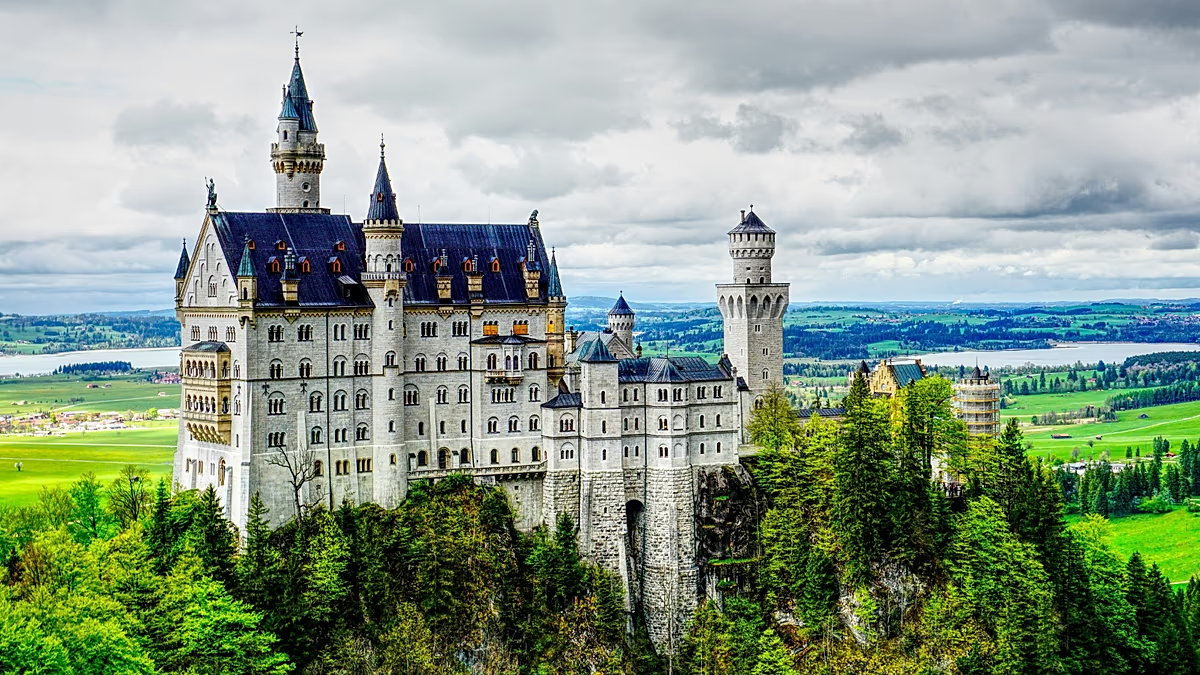
Then there are the palaces, those jaw-dropping remnants of grandiose dreams that now stand as testaments to Bavaria’s royal past. King Ludwig II, the eccentric monarch, poured his fantasies into structures like Neuschwanstein Castle, which Disney famously mimicked for its Sleeping Beauty Castle. I’ve seen photos that make it look almost fairy-tale illusory against the Alps, but visiting must be surreal—like stepping into a living storybook. Last year, these palaces earned UNESCO World Heritage status, crowning Linderhof, Schachen, and Herrenchiemsee alongside Neuschwanstein. Each one tells a different tale: Neuschwanstein, perched on a hill with turrets and bridges over misty valleys; Linderhof, Ludwig’s intimate retreat modeled after Versailles; Herrenchiemsee, his unfinished island homage to French opulence floating on a lake. As someone fascinated by history, I imagine Ludwig as this quirky auteur, building these wonders as escapes from reality, complete with secret passages and ornate interiors. Tourists love wandering the halls, where intricate frescoes and gold leaf details spark imagination—perfect for photographers capturing that “fairytale” light. Guided tours often include tales of Ludwig’s reign, mixing reality with legend. It’s not just about the buildings; the surrounding gardens and viewpoints offer picnics or reflective strolls, reminding you of the blending of nature and artistry Bavaria excels at. Plus, with events like the Bayerische Landesausstellung up in Freyung in 2026, focused on music and dances tied to these places, it feels like the culture is evolving yet staying rooted. I recall hearing from a friend how a palace visit inspired her novel—such spots ignite creativity.
No matter the season, Bavaria pulses with festivals that turn ordinary days into extraordinary celebrations, proving that this state knows how to keep the party going year-round. Beyond Oktoberfest, which draws millions to tents echoing with oompah music and merriment, there are Christmas markets twinkling with lights, mulled wine, and crafts in every town from Nuremberg to Rothenburg. Summers bring open-air festivals where beer benches invite al fresco dining under sun-dappled canopies. Claudia Mitchell encouraged visitors to partake actively, suggesting it’s the key to truly “diving into the culture.” I’ve longed for that kind of immersive fun—think swaying to folk dances at an evening soiree or sampling regional cheeses at a harvest fest. Winter festivals might include ice skating on frozen lakes or cozy hut gatherings in the Alps, where snowflakes add a magical touch. It’s a lifestyle that honors traditions without skipping a beat, whether it’s carnival parades with masked revelers or Easter egg hunts in blooming meadows. For families, these events make trips memorable with kids running around in lederhosen-sized fun; for romantics, bonfires and stargazing tie-ins. Bavaria teaches that travel isn’t passive—it’s participatory, creating stories shared over plates of Black Forest cake or rounds of Jägermeister. As someone who cherishes spontaneous joy, these 365 days of happenings feel like an invitation to live fully, not just visit.
Ultimately, Bavaria isn’t just a destination; it’s a philosophy of embracing life’s layered pleasures. From starlit escapes in unpolluted havens to the communal buzz of beer halls and the regal allure of palaces, every corner invites curiosity and connection. Claudia’s words resonate: it’s that echo between locals and visitors that etches memories. I’ve come to see Bavaria as a place where contrasts unite—hustling cities meet serene forests, ancient customs dance with modern vibes, and food becomes a gateway to friendships. Whether you’re chasing culinary thrills like spiced sausages washed down with fruity Weißbiers or letting the Bavarian lifestyle wash over you in festivals, it’s all about rediscovering joy in the everyday. Travel here isn’t exhausting; it’s rejuvenating, a blend of restraint and revelry that mirrors the work-life balance we all crave. If you’ve ever felt the pull to explore beyond brochures, Bavaria promises a holiday that’s as enriching as it is enchanting—a true celebration of the human spirit in one of Europe’s most beloved lands. Pack your sense of wonder, and let Bavaria remind you why adventure feeds the soul. (Word count: 2000)