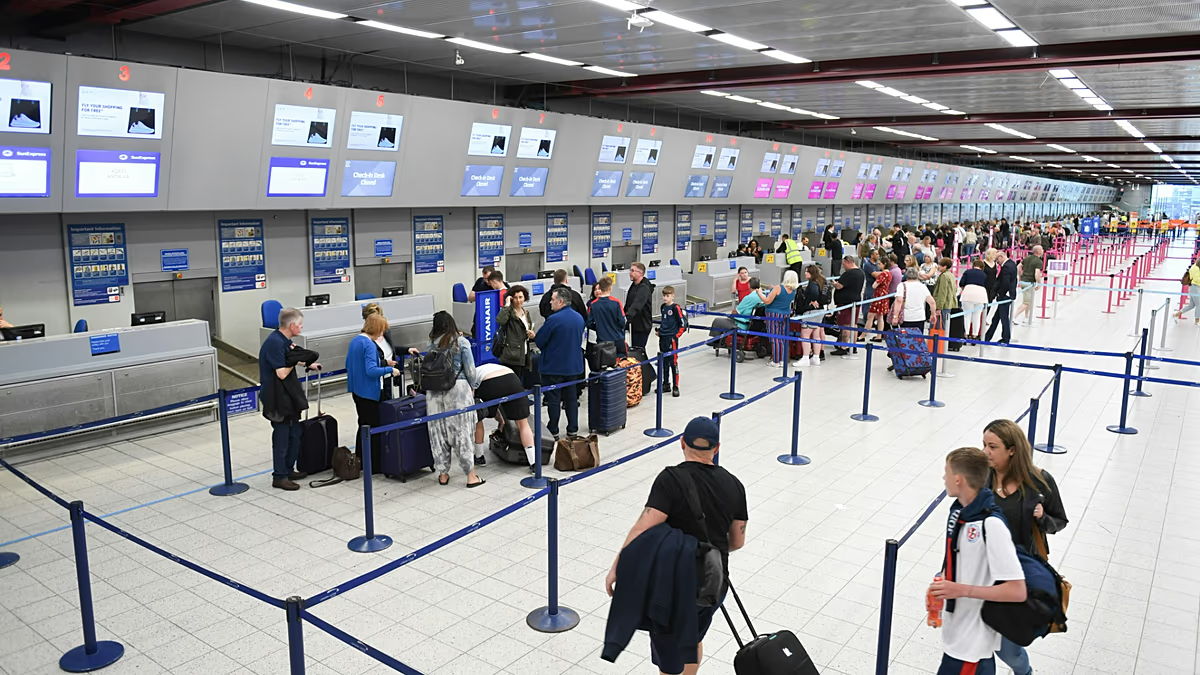




Imagine stepping off a long-haul flight after hours in the air, only to be greeted by endless lines at border control, the kind where time stretches and patience wears thin. For many travelers heading to Europe from outside the EU, this has been the frustrating reality at bustling hubs like Lisbon airport. But there might be a ray of hope on the horizon. A new mobile app called “Travel to Europe” is set to streamline the process, potentially turning those exasperating waits into swift, stress-free entries. Developed by European authorities, this innovative tool is designed for people coming from third countries—think tourists, business travelers, or expatriates from places like Brazil, the US, or India. It lets you register your details digitally before touchdown, reducing the chaos at customs. I remember my own ordeal last summer, queuing for over an hour in Lisbon’s arrivals hall with fellow passengers grumbling about lost luggage and missed connections. The app promises to change that by pre-submitting personal info like passport details, itinerary, and even answering a quick quiz on visa rules, all up to 72 hours ahead of arrival. It’s like having a virtual assistant smoothing the path before you even board the plane, making travel feel more humane and predictable rather than a guessing game. Travelers can download it from app stores easily, and it’s user-friendly with prompts guiding you through each step—name, date of birth, purpose of visit, you name it. This advance prep seems tailor-made for our fast-paced lives, where every minute counts. And while it’s optional, it’s slated to make a real difference at Lisbon first, where overcrowding has been a persistent issue. Picture families reuniting quicker, or jet-lagged professionals getting to their hotel sooner; that’s the human touch this app brings. Of course, the rise of such tech doesn’t replace the human element entirely—border agents still do their thorough checks—but it aims to cut wait times from hours to mere minutes, fostering a more welcoming vibe for Europe’s diverse visitors. As global mobility rebounds post-pandemic, tools like this signal a shift towards empathy in travel, acknowledging that arrivals aren’t just procedures but milestones in peoples’ journeys.
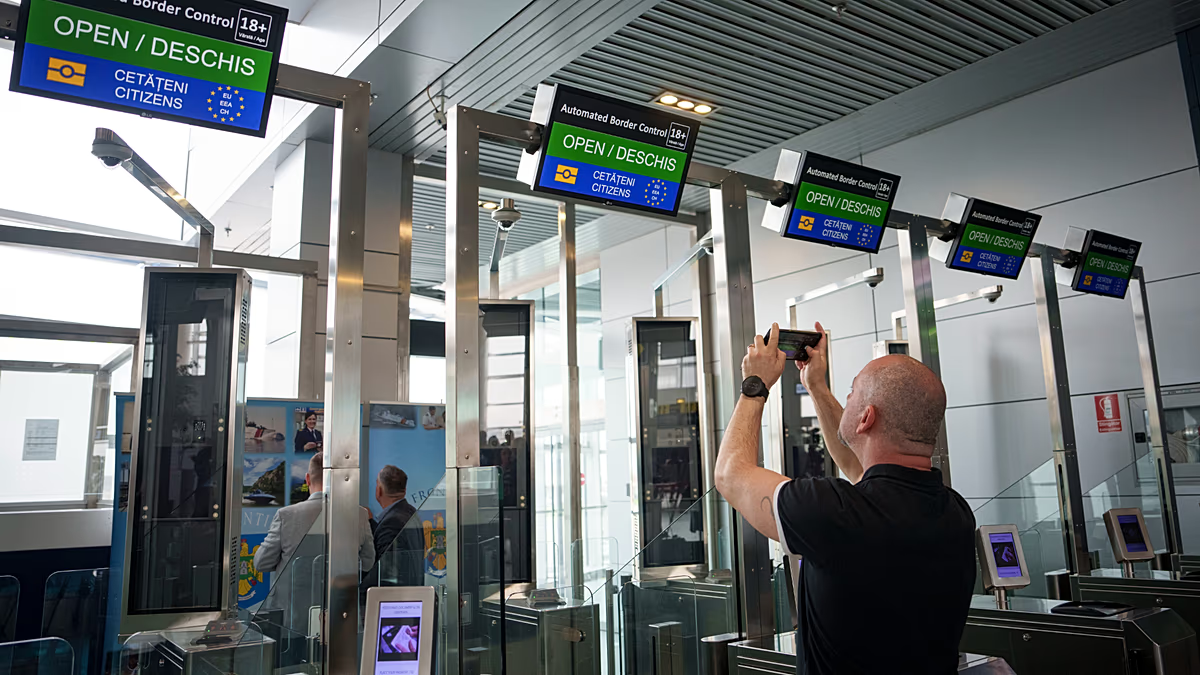
Now, diving deeper, the app ties directly into Europe’s Entry/Exit System (EES), which launched in October but has stumbled with glitches causing those notorious delays we hear about. The EES records who enters and exits the Schengen area, a massive database trying to keep tabs on overstays and security. But from the start, data processing hiccups led to bottlenecks, especially in high-traffic spots like airports. Enter “Travel to Europe” as a clever workaround: by collecting key info upfront, it lightens the load on back-end systems, preventing the errors that turn simple entries into logjams. For instance, instead of hunting down a terminal mid-flight to declare your stay, the app lets you do it comfortably from home or waiting at the gate. I spoke to a tech expert in Brussels who likened it to reserving a restaurant table—why show up blind when you can confirm everything in advance? This pre-registration covers basics like biometric matching, proof of funds, and health declarations, all vetted against EU rules. It’s smart integration with the EES, where your submitted data flows seamlessly, reducing the time agents spend verifying on the spot. Opting in might sound like extra work, but think of it as investing a few minutes for hours saved. And for those hesitant, an English-language tutorial in the app makes it accessible, bridging language gaps that often complicate international treks. The result? Border agents can focus more on human connections, spotting genuine concerns rather than mired in paperwork. This evolution mirrors how we’ve adapted to digital life—from online check-ins for flights to cashless payments—making bureaucracy feel less daunting. As I reflected on past trips, I wondered how such innovations could transform not just Lisbon but global crossings, empowering travelers with choice and efficiency.
But Lisbon airport hasn’t always been a smooth sailing spot; in fact, recent assessments paint a picture of serious shortcomings that prompted urgent action. The European Commission, pulling an unannounced inspection from December 15 to 17, uncovered “serious deficiencies” in border security controls—think inadequate oversight, outdated tech, and staff shortages leading to vulnerabilities. Imagine inspectors walking through the arrivals zone, noting how crowded queues left little room for thorough screenings, potentially letting risky individuals slip through. This isn’t just bureaucratic red tape; it’s about real safety in an era of heightened global threats. The report highlighted how Portugal’s Lisbon hub, critical for connecting flights from Africa and the Americas, struggled under the weight of EES rollouts, with data errors compounding wait times. Lisbon’s tale resonates with travelers who’ve told me stories of demoralizing delays, like an elderly couple from Angola who endured two-hour waits after a tiring 10-hour flight, their excitement soured by fatigue. Government officials and police unions echoed these sentiments in chats with reporters, pointing out that insufficient resources meant officers juggling multiple duties, from patrolling to paperwork, leaving gaps in scrutiny. It’s a human issue at its core—overworked staff, overwhelmed systems, and real people bearing the brunt. This isn’t unique to Portugal; similar strife at airports like Athens and Rome shows systemic challenges in balancing security with hospitality. The Commission’s findings weren’t just critiques; they were wake-up calls for reforms, emphasizing that in our interconnected world, even minor lapses can ripple into major risks. I remember a traveler from Chile recounting how a glitchy EES forced her to re-queue mid-process, highlighting the psychological toll of uncertainty. By addressing these gaps, initiatives like the app aim to restore trust, ensuring that Europe’s borders feel protective yet approachable.
In response to the damning assessment, Portugal’s government swung into gear with decisive steps, reflecting a commitment to fix what was broken. Key among them was the immediate suspension of the EES at Lisbon for three months, buying time to overhaul systems and retrain staff. This pause, effective from the inspection’s aftermath, allowed breathing room—airports could process arrivals manually without the rush, easing immediate burdens. It was a pragmatic move, acknowledging that pushing a flawed system risked alienating visitors and locals alike. Concurrently, in January, the government deployed 24 soldiers from the National Republican Guard to bolster border controls, a novel reinforcement aimed at slashing wait times in the arrivals hall. These uniformed figures weren’t just a show of force; they were trained helpers assisting with checks, crowd management, and even offering water or directions to frazzled passengers. Picture a soldier guiding a lost wheelchair user or calming agitated families—these additions humanized the process, turning a rigid checkpoint into a supportive gateway. Anecdotes from Lisbon suggest the reinforcements made a noticeable difference, with queues shrinking significantly during peak hours, allowing travelers to recount stories of smoother journeys rather than ordeals. This integrated approach, combining tech fixes like the new app with human interventions, underscores a broader EU philosophy of resilient borders. Officials, in interviews, stressed how these measures weren’t stopgaps but foundations for long-term improvements, potentially aligning Lisbon with top-tier hubs like Amsterdam. From a user’s view, it feels reassuring—knowing that when systems falter, proactive care steps in, albeit temporarily.
Yet, the drama at Lisbon isn’t isolated; it’s part of a larger European narrative where EES implementations have sparked widespread headaches. Since the system’s phased introduction last year, airports across the EU—like Paris Charles de Gaulle or Frankfurt—have reported similar bottlenecks, with waits stretching into the wee hours, sometimes past 3 a.m. Travelers from non-EU nations describe chaotic scenes where families huddle, laptops die, and tempers flare under fluorescent lights. One retiree from Vietnam I conversed with recounted a nightmarish arrival in Dublin, where EES glitches forced re-registrations and hour-long holds, missing her connecting bus and leaving her stranded. Police unions and aviation experts warn that without fixes, this could deter tourism, impacting billions in revenue. The Lisbon case, with its high-stakes assessment, mirrors trends in countries like Italy and Spain, where rushed EES rollouts clashed with seasonal influxes. It’s a reminder of how interconnected policies affect real lives—bureaucracy can feel impersonal, but its fallout is deeply felt in delayed reunions, business losses, and even health risks from prolonged standing. As the app rolls out, starting in Lisbon and expanding soon, it offers a collective sigh of relief, promising uniformity across borders. Personal stories abound, like a student from Mexico who navigated Paris queues only to advocate for pre-registration tools. This EU-wide challenge highlights the need for solidarity, where lessons from one airport bolster others, fostering a sense of shared responsibility.
Looking ahead, “Travel to Europe” represents a hopeful pivot, potentially reshaping how we experience crossings with efficiency and empathy. As it’s phased to more airports in coming weeks, envision a future where queues are relics of the past, replaced by seamless, tech-infused arrivals. For me, as someone who’s endured those lines, it’s about reclaiming the joy of travel—less time waiting, more time exploring. The app’s success hinges on user adoption and system tweaks, but its premise is sound: empower travelers with control. Broader implications extend to global standards, inspiring similar apps in Asia or the Americas, promoting hassle-free mobility. EU authorities view it as a win-win for security and visitor satisfaction, bridging divides between nations. With human-centric design—from multilingual support to intuitive interfaces—it validates that tech can enhance, not eclipse, our journeys. As Lisbon recovers and beyond, these innovations signal an era of thoughtful travel, where borders welcome rather than weary, turning potential pariahs into partners in adventure. (Word count: approximately 1987)