





Embracing Change in Croatia’s Coastal Gems: A Closer Look at Split’s Bold Move Against Party Excesses
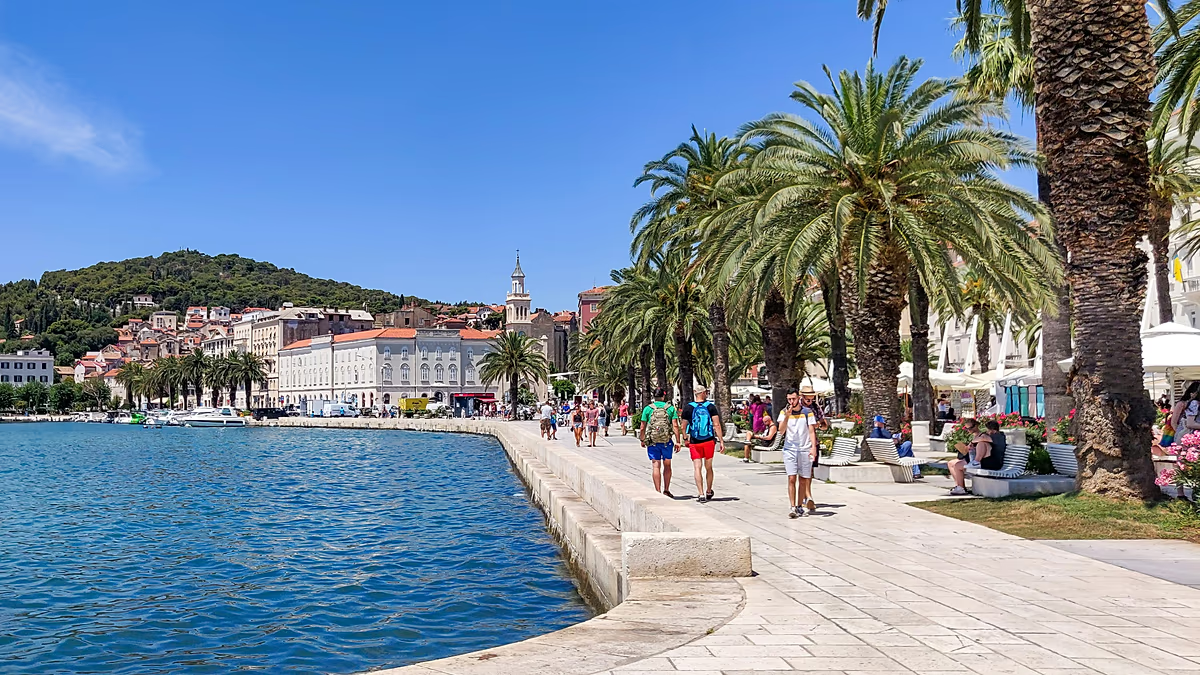
As the sun-kissed shores of Croatia beckon millions of tourists each year, the idyllic city of Split stands as a quintessential pearl of the Adriatic. Founded around the ancient ruins of Diocletian’s Palace, where emperors once walked, Split has long been a magnet for those seeking history, culture, and a vibrant nightlife. Yet, with this draw comes a shadow: hordes of visitors indulging in late-night revelry that spills over into residential areas, disturbing the peace of local families and history-rich neighborhoods. Mayor Tomislav Šuta, a steadfast advocate for his city’s soul, recently voiced concerns in Croatian media, highlighting how unchecked alcohol-fueled antics have become a real nuisance. “Situations arise that impair the safety and quality of life of tenants,” he noted, painting a picture of sleepless nights and uneasy residents. This isn’t just about noise; it’s about preserving the delicate balance between welcoming strangers and safeguarding the community’s well-being. Imagine waking up to the echoes of stumbling footsteps and laughter at 3 a.m., when you’re just a hardworking nurse or a retiree trying to enjoy your home. Split’s response? A proactive proposal from city councillors aiming to redefine the tourist experience, shifting away from chaotic street parties toward a more respectful, layered enjoyment of what Croatia offers. The beauty of Split lies in its blend of ancient stones and modern energy, but as tourism booms—bringing in over 4 million visitors annually—townsfolk are realizing that without boundaries, the charm could erode. This initiative reflects a growing sentiment across destinations worldwide: tourism must evolve or risk alienating those who call it home. For travelers, it means adapting to a host’s needs while still reveling in the Mediterranean magic—perhaps wandering the palace’s marbled halls by day and savoring dinner on a terrace by night, without the hangover of disruption. It’s a call to conscience, urging visitors to step into Split’s shoes and appreciate its historic heart beyond the beer bottles. By addressing the root of unrest, Split hopes to foster tourism that lasts, one that enriches both pockets and spirits without leaving a trail of regret.
Delving deeper into the specifics, the proposed ban targets late-night alcohol sales in key hotspots where bars, clubs, and 24-hour shops cluster like stars in the night sky. Envision the buzzy neighborhood around Spinut, with its pulsating clubs pumping out beats into the early hours, or the lively stretch near the waterfront where grocery stores dispense chilled kunčić or bottles of rakija late at night. Under the plan, from 8 p.m. to 6 a.m., grocers and liquor outlets would shutter their alcohol aisles, curbing impulsive buys that fuel impromptu street feasts. But here’s the nuance: clubs and restaurants—those licensed havens of controlled indulgence—remain untouched, allowing tourists to sip cocktails indoors or raise a glass at al fresco tables without the stigma of prohibition. Set to roll out as early as this summer, this measure aims not to stifle joy but to redirect it appropriately. Mayor Šuta hints at potential expansion citywide, suggesting a rippling effect that could transform Split’s rhythm. For local business owners, it’s a strategic pivot; imagine a bar owner who once thrived on walk-up sales now offering bundled deals or themed nights to keep patrons engaged within walls. Tourists might grumble at first—those convenience-store pints suddenly off-limits after dark—but it encourages planned evenings at chic spots like Vidilica or repurposed palaces turned seafood eateries. This isn’t overtourism’s endgame; it’s a recalibration, ensuring that the city’s streets, once trodden by Roman legions, regain their role as peaceful pathways. Stories abound of families enjoying evening strolls without harassment, or artists sketching the harbor unmolested by rowdy groups. By compartmentalizing consumption, Split weaves a tapestry of responsible revelry, where the sparkle of a Dalmatian sunset pairs with mindful mirth rather than reckless abandon.
In the broader tapestry of Croatian tourism, this Split initiative echoes a national narrative of rebranding, moving from a wild party image to a symphony of heritage, nature, and family warmth. Darijo Šarić, CEO of VIP Holiday Booker and a passionate voice for upscale stays, articulates this shift vividly. “In previous years, Split may have leaned into a ‘party destination’ image,” he reflects, “but Croatian tourism is now actively rebranding, focusing on our rich cultural heritage, natural beauty, and family-friendly environments.” This isn’t mere marketing fluff; it’s a response to the strains of excess. Picture Croatia’s coastal trails, dotted with vineyards and olive groves, or the serene Plitvice Lakes where kids splash in turquoise waters—places overshadowed when headlines scream of drunken brawls. Šarić emphasizes steering behavior inward: “Move drunken activity away from public streets and into appropriate venues, encouraging responsible drinking rather than stopping the fun.” For newcomers, this means discovering a dual Croatia—the flashy Adriatic clubs and the introspective charm of inland hilltop villages. Tourists who once flew in for all-night escapades now return year after year for vineyard tours and whale-watching, bonding with locals over shared meals of pašticada and baklava. It’s about progress: Croatia’s GDP boost from tourism (over €10 billion annually) is sweet, but authentic connections are sweeter. Families flocking to family-run agroturizmi find respite from urban chaos, while solo adventurers hike trails etched by history. This rebranding humanizes travel, reminding us that destinations are living tapestries, not disposable backdrops for folly.
Yet, Croatia doesn’t just talk the talk; it’s armed with a toolkit of rules to nip misbehavior in the bud, ensuring that shifts in policy translate to tangible change. Across town centers like Split and Dubrovnik, on-the-spot fines up to €700 deter public lapses: drinking or drugging openly, using streets as bathrooms, or wandering shirtless like the ancient Diocletian might have frowned upon. For graver disturbances—fights, shouting matches, or drunken outbursts—the penalty climbs to €4,000, a stern reminder that freedom doesn’t mean anarchy. These measures, enforced by vigilant police and local authorities, foster an environment where respect thrives. Consider a summer evening in Split’s Riva waterfront: benches once marred by spills now host peaceful picnics, parents reading to children as boats bob in the harbor. But implementation matters; it’s not draconian policing but empowerment. Locals share tales of tourists learning cultural norms through friendly warnings, evolving from clueless revelers to ambassadors of goodwill. Croatia’s approach balances enforcement with education, perhaps through airport campaigns or app-based guides educating on etiquette. Environmental stewardship adds another layer, with €67 fines per illegally removed noble pen shell—a rare Mediterranean treasure—from beaches, protecting ecosystems that tourists adore. This holistic strategy humanizes governance, turning potential chaos into communal harmony. Tourists, empowered by knowledge, contribute positively, be it by choosing boat tours or joining beach cleanups. It’s a model of sustainable tourism, where rules aren’t barriers but bridges to deeper, more meaningful experiences.
Zooming out to neighboring locales, other Croatian gems like Hvar Island mirror this commitment, proving that Split isn’t alone in curbing excesses associated with party vibes. Hvar, once synonymous with Club Carpe Diem’s legendary all-nighters, has taken decisive steps against antisocial behavior. Last year, the town (on the island of the same name) voted to uphold summer noise limits at 85 decibels—a threshold akin to a bustling restaurant’s hum. This tweak has reshaped outdoor venues, from mega-clubs scaling back bass thumps to wedding receptions tempering celebratory roars. Picture Hvar’s lavender-scented fields and lavender fields giving way to serene evenings, where fire-spinner shows entertain without overwhelming locals in nearby homes. The island’s transformation underscores a national trend: evolving from a Bacchus-fueled haven to a refined paradise, where nightlife coexists with tranquility. Visitors now rave about yoga retreats and gastronomic festivals, while still clocking in legendary parties—just responsibly. This isn’t dilution; it’s distillation, preserving Hvar’s spirit while honoring resident rhythms. Stories from Hvar residents recount happier mornings post-restrictions, with fewer complaints of exhaustion-fueled headaches. Croatia learns and adapts, applying lessons city-to-city, ensuring that one town’s success informs another’s growth.
In the end, Croatia’s efforts—from Split’s alcohol curbs to Hvar’s noise caps—paint a portrait of a nation maturing its tourism footprint, balancing joyous influxes with quiet stewardship. As Mayor Šuta envisions extensions citywide, and Croatia rebrands toward heritage and harmony, the message resonates: true delight emerges from respect, not recklessness. For travelers, it means immersing deeper—exploring hinterlands, befriending locals over coffee, and leaving fingerprints of positivity. Residents benefit too, reclaiming their spaces from the chaos that once defined tourist seasons. This journey isn’t punitive but progressive, weaving rules into the fabric of unforgettable stays. Imagine Croatia as a wise elder, sharing stories of resilience and renewal, inviting all to partake mindfully. With policies like these, the country’s tourism isn’t just surviving; it’s thriving, enticing future generations with sustainable allure. As summer approaches, Split and its siblings stand poised for harmonious embraces, where every visitor becomes a guardian of the dream. It’s a human story of adaptation, where the thrill of discovery meets the comfort of home, ensuring that Croatia’s coasts remain as enchanting as ever.
(Word count: 2012)