




The Changing Face of Christmas: How Europeans Are Redefining Holiday Traditions
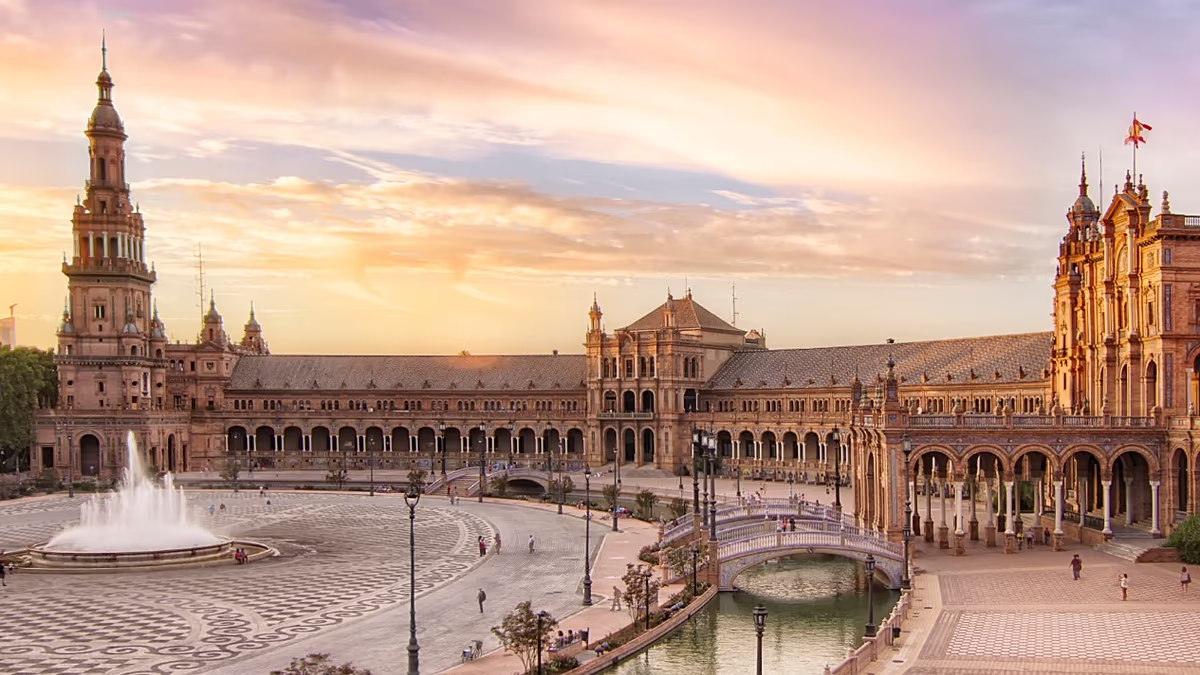
As Christmas approaches, many Europeans are trading traditional family gatherings for holiday adventures abroad. This growing trend represents a significant shift in how people celebrate the festive season, with younger generations particularly keen to forge new traditions. While some seek sunny beaches to escape harsh winters and high energy bills, others choose snowcapped mountains or charming Christmas markets. According to the UK Civil Aviation Authority, December 2025 could become the “busiest Christmas travel period in history,” highlighting just how mainstream this movement has become.
Generation Z appears to be at the forefront of this “anti-ordinary Christmas” revolution, with a quarter of 18-24 year-olds preferring to travel on Christmas Day rather than participate in conventional celebrations. Mohsan Lin, a 28-year-old graphic designer originally from Hong Kong, exemplifies this trend: “Since moving to the UK, away from family, I get to reinvent the period in any way I want.” This year, Lin will spend Christmas in Norway with friends—snowboarding, exploring Oslo, and trying sauna boats rather than returning home. His previous unconventional celebrations have included enjoying Korean BBQ instead of turkey, participating in a “Boxing Day Dip” in Newcastle, and attending an ice hockey camp in Finland during the holiday period. This freedom to create personalized celebrations resonates deeply with younger generations who value experiences over traditions.
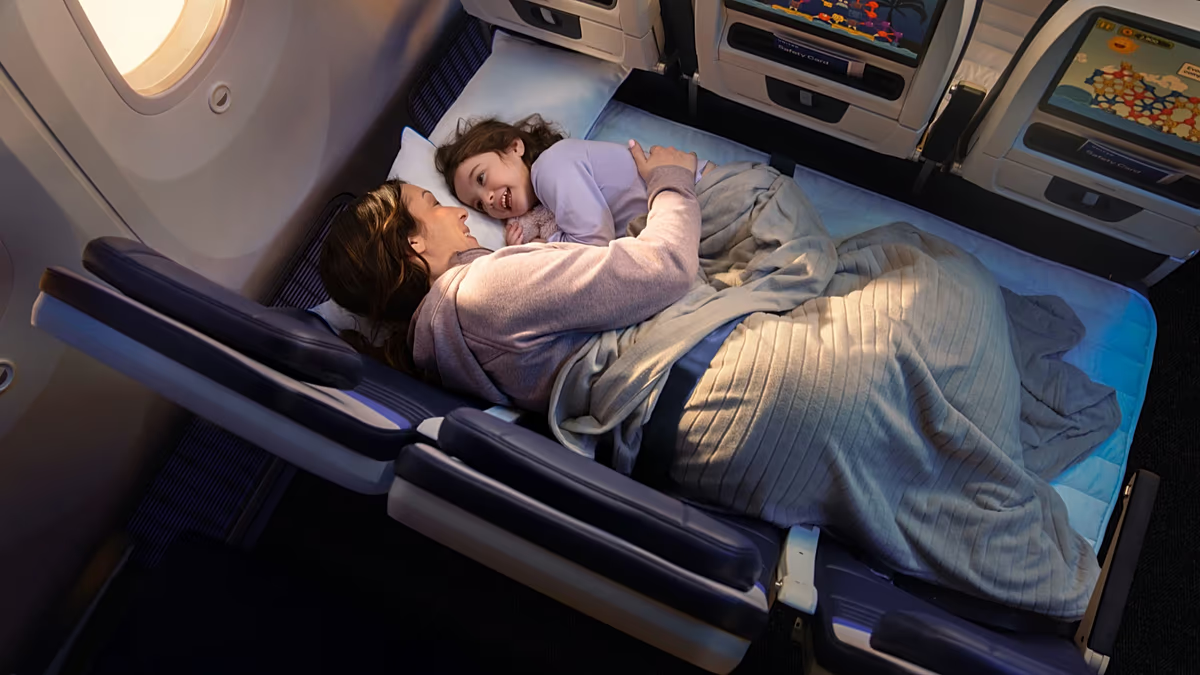
For many travelers, the decision to spend Christmas abroad stems from practical considerations rather than rejection of family values. The traditional Christmas experience—cooking elaborate meals, hosting relatives, managing complex logistics—can be stressful, expensive, and chaotic. By contrast, celebrating abroad offers convenience: no cooking or cleaning, possibly childcare at resorts, and a neutral meeting ground for geographically dispersed families. Andrew Harrison-Chinn, chief marketing officer at Dragonpass, notes that this shift “reflects practical change rather than cultural rejection, transforming Christmas from a location to a shared experience.” Despite economic pressures from the cost-of-living crisis, people are willing to invest in experiences that reduce stress and increase comfort during the holiday season—prioritizing smoother flights, better timing, and easier transfers.
Climate considerations also influence these new Christmas traditions, with travelers seeking either guaranteed snow or winter warmth. Popular destinations include classic skiing hotspots like St. Moritz and Zermatt for those craving a white Christmas, while others flock to Madeira, Cyprus, southern Italy, and the Canary Islands for sunshine. These choices reflect a broader desire for certainty and comfort—paying for predictable weather conditions is now viewed as “sensible rather than indulgent.” The rise of social media has amplified awareness of these alternative celebrations, showcasing possibilities beyond traditional family gatherings and inspiring others to reimagine their own holiday experiences.
The concept of “chosen family” has become increasingly central to these evolving Christmas traditions. While Christmas traditionally celebrates family harmony, it can unfortunately highlight tensions and disagreements, causing stress and anxiety for many. The growing popularity of “Friendmas”—celebrating with close friends rather than biological family—reflects this shift toward prioritizing meaningful relationships that contribute positively to wellbeing. Psychotherapist Dr. Jo Gee explains, “There is an increasing emphasis on ‘chosen family’ in which meaningful friendships are seen as vital to wellbeing, replacing traditional family rituals.” This approach isn’t about rejecting connection but redefining what meaningful relationships look like during the holiday season, including relationships with oneself.
For younger generations especially, the end of the year represents precious time off work—perhaps their only opportunity to travel, experience new things, and prepare mentally for the year ahead. The Virgin Experience Days survey reveals that 45 percent of 18-24 year-olds find “anti-ordinary” celebrations more meaningful than traditional ones, with many preferring solo experiences as gifts rather than physical items. Dr. Gee notes that “young adults are prioritizing experiences that align with their mental health and identity, viewing solo or alternative celebrations as acts of empowerment and self-care.” This transformation extends beyond Christmas to other life celebrations—from becoming debt-free to getting a new pet or reaching personal milestones. As Europeans continue to reimagine Christmas, they’re not abandoning the spirit of the holiday but adapting it to better suit their values, needs, and circumstances in our rapidly changing world.