






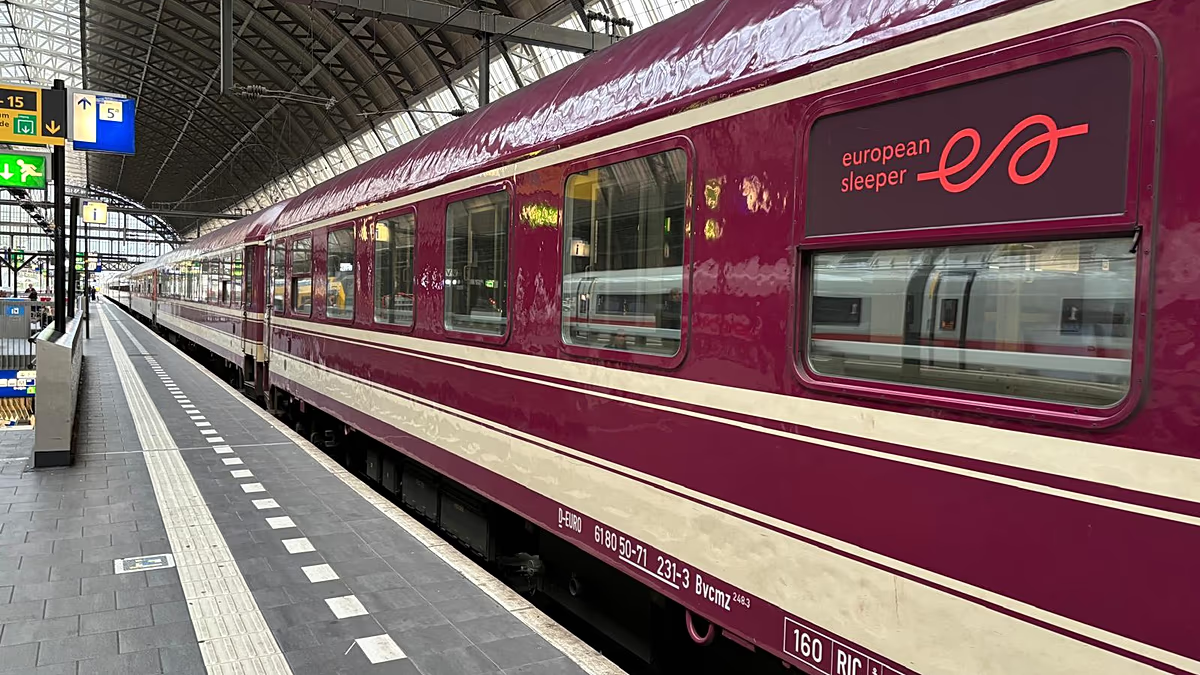
A Delightful Delay: Rediscovering the Romance of Night Trains
Imagine settling into a cozy sleeper car as the sun dips below the horizon, your window framing Europe’s bustling cities fading into serene countrysides. That’s the dream of the new European Sleeper route connecting Brussels to Milan, and while it’s taken a small detour on the calendar, it’s set to launch an adventure like no other in September 2026. Originally slated for June 18th, the train’s debut has been postponed to September 9th due to some behind-the-scenes challenges—track maintenance in Germany over the summer and the intricate certification process for Switzerland, a fresh addition to European Sleeper’s expanding network. But let’s be honest, in the whirlwind of modern travel dominated by cramped planes and chaotic airports, who wouldn’t welcome a few extra weeks to savor anticipation? This delay isn’t a setback; it’s a chance to build excitement for what promises to be a transformative north-south link across Europe. Think of it as trading instant gratification for the slow, soul-stirring joy of overnight journeys that bridge major economic hubs and cultural gems, perfect for globetrotters seeking leisure escapades or business folks closing deals before dawn. The company even calls it an “important milestone,” and I couldn’t agree more—it’s about reclaiming the magic of rail travel that made Europe feel like one big, interconnected community. As someone who’s yearned for greener, more leisurely commutes, this route feels like a personal invitation to unwind amidst rolling hills and historic stone walls, turning bedside reading into a meditative ritual under the stars.
The European Sleeper folks have been busy crafting these nocturnal wonders, and this Brussels-Milan line is their ambitious third venture, building on the success stories of their Brussels-Prague and upcoming Paris-Berlin connections. Picture the founders, a bunch of passionate trailblazers who started with a simple idea: revive the glamour of the Orient Express for the eco-conscious traveler of today. Their ethos? Sustainable, slower journeys that whisper tales of the past while championing the future. Operating since 2023, they’ve already charmed thousands with comfortable cabins that echo the elegance of yesteryear trains, complete with sustainable practices—think biodegradable linens and a commitment to reducing carbon footprints compared to flying. This new route isn’t just a service; it’s a movement, proving that high-speed isn’t always king. It serves as a nod to the romance of travel, where every ticket sold funds a greener alternative to emission-heavy skies. The company has grown from a niche startup to a symbol of European unity, and this delay, while frustrating for early planners, underscores their thorough approach. In my own travels, I’ve seen European Sleeper turn skeptics into enthusiasts, with tales shared over complimentary teas in their lounges. It’s not just about getting from A to B; it’s about forging connections with fellow passengers, perhaps over shared stories across compartments. And with this expansion into Switzerland, they’re dipping into a new chapter, adapting to landscapes that demand respect for their pristine beauty and rigorous safety standards. As the summer winds down, I find myself hopeful—this isn’t a halt; it’s Europeans gathering to craft something extraordinary, one certification and track weld at a time.
Delving into the itinerary, the train embarks from Brussels on Monday, Thursday, and Saturday evenings, painting a picture of effortless exploration as it glides through the night toward Cologne, Zürich, and ultimately Milan. Arriving in the morning sun—no bleary-eyed airport sprints necessary—the schedule rotates with returns from Milan on Wednesday, Friday, and Sunday nights, allowing for weekends spent savoring Italian cuisine or Swiss chocolates. For me, imagining that first leg from Brussels to Cologne evokes memories of canal-lined cities and historic bridges, a gentle start to a multi-country odyssey. Each stop is curated like a chapter in a travelogue: Cologne’s gothic spires, Zürich’s alpine crispness, and Milan’s vibrant piazzas. It’s not mere transit; it’s an invitation to immerse in diverse cultures overnight, waking up refreshed and ready for the day’s adventures. The planners have cleverly factored in modifications to the original plan, swapping routes where needed to ensure feasibility. For instance, instead of the Simplon Pass through Switzerland, they’ll traverse the Gotthard Pass for now, circumstantially avoiding track works slated through 2027. This pivot isn’t a compromise—oh no, it’s an opening! Stops in place like Göschenen tease access to ski resorts like a winter wonderland invitation, while Lugano and Como promise lakeside idylls with boat rides and mountain hikes. I can already envision families bonding over stories by the shore or solo wanderers sketching scenic vistas. These detours highlight the adaptive spirit of European travel, turning potential obstacles into opportunities for discovery. It’s akin to choosing a scenic hike over a straight path—electronically&Referencing more rewarding in the end, with each twist offering snapshots of Europe’s natural splendors and hidden gems. As someone addicted to spontaneity, I love that this route empowers travelers to hop off and explore, not just race through.
Now, let’s talk practicality because, while the romantic allure is undeniable, the nitty-gritty matters for planning a memorable trip. Ticket sales kick off on March 17, 2026, unveiling a tiered system tailored for every wanderlust. From the budget-conscious explorer to the luxury seeker, options abound. Budget seats start at a wallet-friendly €29.99 one-way, ideal for thrifty backpackers content with a simple sit and stare at the passing lights. Classic couchettes, those cozy bunks with shared compartments, begin at €49.99, bundling ticket, reservation, luggage handling, and even bed linens—perfect for the storyteller exchanging yarns with strangers through the night. For those craving more, Comfort Standard at €99.99 offers enhanced amenities, while Comfort Plus at €129.99 includes breakfast, elevating mornings from groggy to gourmet with fresh brews and pastries. I’ve heard from seasoned rail fans that these classes transform the journey into a micro-vacation, making sleep feel like a chapter of indulgence. The inclusion of extras like luggage assistance levels the playing field, especially for international trekkers hauling gear across borders. It’s a smart nod to accessibility, ensuring that cost isn’t a barrier to this experiential form of transport. In my experience budgeting for similar trips, these prices represent great value—cheaper and more comfortable than many flights, with zero jet lag. And as the route settles in, expect dynamic pricing that rewards early birds or last-minute dreamers. This affordable structure democratizes adventure, letting everyday folks partake in the exclusivity of night trains without emptying their pockets. It’s a testament to European Sleeper’s vision: travel that’s inclusive, sustainable, and simply enjoyable for all.
Looking ahead, the excitement doesn’t stop with this launch; there’s more brewing for 2027, including a direct line to and from Amsterdam, extending the network northward. Why wait? The company cites seasonal realities—starting a separate Amsterdam section mid-year isn’t economically sound off-peak, so it’s smartly phased in to maximize viability. This addition will weave the Netherlands into the tapestry, creating even more interconnected possibilities, from Brussels’ historic quarters to Milan’s upscale boutiques, all looped through quaint Dutch polders. I see this as expanding the narrative, turning a regional romp into a continental epic. Meanwhile, the existing routes keep the momentum: Brussels-Prague for Central European escapades, and Paris-Berlin launching soon, proving European Sleeper’s reliability in blending efficiency with enchantment. From a personal standpoint, these expansions fuel my wanderlust, imagining itineraries that mix business meetings in Berlin with leisure lakes in Como. It’s about building a web of overnight wonders that encourage repeat voyages, fostering a community of mindful travelers who prioritize experiences over speed. As rail travel rebounds post-pandemic, this family of routes signals a brighter, greener future, countering the isolation of solo drives or impersonal flights. The delay, in hindsight, was perhaps a blessing—allowing for fine-tuning that ensures safety and satisfaction. And isn’t that the heart of these journeys? Not just transport, but transformation, where every sleeper car becomes a cocoon of possibilities.
In wrapping up this tale of tracks and timetables, the Brussels-Milan European Sleeper embodies a resurgence of thoughtful tourism. Delayed to September 9, 2026, but poised to deliver unparalleled connections across Cologne, Zürich, and beyond, it merges practicality with poetry. Scheduled thrice weekly in each direction, with adapted routes unlocking alpine joys, and priced from humble €29.99 to indulgent €129.99, it’s a gateway for diverse travelers. As someone who’s chased horizons, I believe this initiative rekindles our collective love for rail’s slow charm, weaving economic, environmental, and cultural threads into Europe’s fabric. Future links to Amsterdam in 2027 only amplify the allure, promising a network that feels alive and inviting. So, as we count down the months, let’s celebrate this milestone—not as a postponement, but as an extended prelude to rediscovering the night train’s timeless magic. Whether for business deals sealed over morning coffee or leisurely strolls amidst Schengen’s shared wonders, this route invites us all to dream in transit. Buckle up, Europe; your sleeper saga is about to unfold in exquisite detail.