


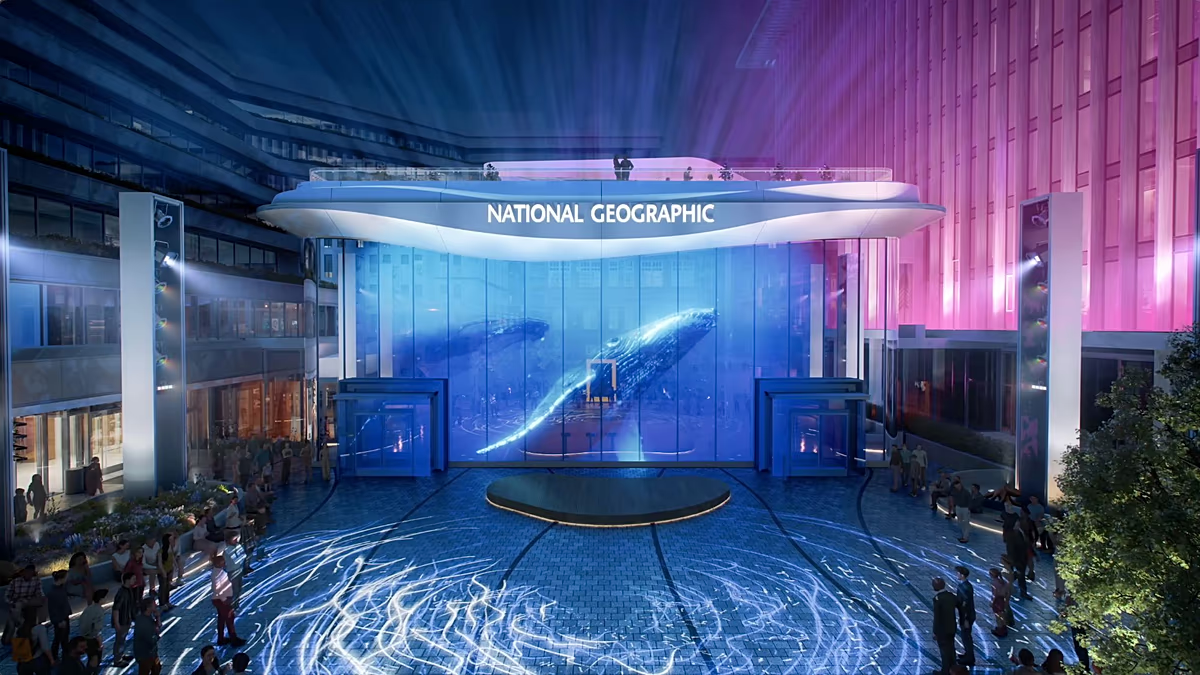
As children, we’re often captivated by the endless wonders of the world—the countless animals, plants, and mysteries waiting to be discovered. We learn about groundbreaking scientific achievements and marvel at the vast array of life on Earth. Yet, as adults, that childlike sense of awe can fade, buried under the routines of daily life. Thankfully, there’s a place where we can recapture that spark: the newly revamped National Geographic Museum of Exploration, set to open on June 26 on the historic campus of the National Geographic Society in Washington, D.C. This isn’t just another museum; it’s a vibrant portal to exploration, blending cutting-edge technology with the storied legacy of one of the world’s most iconic institutions. Founded in 1888, the Society has long fueled global adventures, expeditions, and research, and this museum brings that mission to life in an immersive way. Imagine stepping into interactive galleries that transport you into the heart of explorers’ journeys, showcasing the tools and curiosities that drive our quest to understand and safeguard our planet. It’s designed to inspire not only nostalgia but a genuine reinvigoration of wonder, encouraging visitors of all ages to think deeply about science, conservation, and the future. CEO Jill Tiefenthaler perfectly captures the essence: “The Museum of Exploration is where our legacy of storytelling meets the experiential technology of today, inviting everyone to step into the worlds of National Geographic Explorers.” The space is meticulously crafted to immerse you in the details of exploration—from the thrill of discovery to the practicalities that make it possible. Every exhibit encourages curiosity, making you feel like you’re part of the adventure rather than just an observer. Whether you’re a lifelong fan or a newcomer, this museum promises to reignite that inner explorer, reminding us why protecting our world’s marvels matters so much.
Diving into the museum’s offerings, it’s impossible not to be impressed by how it chronicles the Society’s 130-year history. The National Geographic Magazine, with its stunning photography and captivating stories, is a cornerstone of the experience. You’ll find exhibits that trace the Society’s evolution from humble beginnings to a global force in science and storytelling. But the real magic lies in the immersive technology: think virtual reality journeys through remote landscapes, interactive displays that let you manipulate data on environmental change, and sensory installations that evoke the sights and sounds of distant expeditions. It’s not about passive viewing; it’s about engaging with the content on a personal level. For instance, the galleries explore the Society’s role in funding expeditions and advocating for conservation, highlighting how their work has shaped our understanding of the planet. Visitors can explore the lesser-known side of exploration—the planning, the risks, and the breakthroughs that aren’t always headline-worthy. This approach humanizes the explorers, showing them as everyday heroes with a passion for knowledge. The museum’s guiding theme is clear: to inspire the next generation while honoring the past. It’s a space where history feels alive, not dusty, and where you leave with a renewed appreciation for earth’s complexities. Beyond the tech, there’s a warmth here—a nod to the Society’s commitment to making science accessible. If you’ve ever flipped through a magazine issue and felt that pull toward adventure, this museum amplifies it, turning fleeting interest into meaningful reflection.
One of the highlights is The Archives exhibition, which demystifies the creation of a National Geographic magazine story. It’s a behind-the-scenes look at journalism in action, from the initial field assignment to the final press run. Picture this: you’re at the researcher’s table, surrounded by over 300 photographs, film clips, artifacts, and sound recordings spanning decades. There’s an authenticity here that makes you feel like you’re in the editor’s chair, sifting through raw material. You can even step into a working darkroom to try your hand at the photographic process, developing images just like the legends of the past. For those craving more depth, guided tours offer exclusive access to rare archival displays—precious items preserved for ongoing research. It’s a tactile reminder of how stories are built, layer by layer. Complementing this is the Magazine Gallery, where every single cover is on display, a visual timeline of changing times. Flipping through these covers isn’t just nostalgic; it’s educational, showing how photography has evolved and how the magazine has documented pivotal moments in history. You’ll see themes shift from early explorations to modern environmental crises, each cover telling a story in its own right. This section bridges the past and present, encouraging visitors to connect personal experiences with global narratives. The Archives and Gallery together create a narrative arc, showing not just what the Society has done, but why it matters—how storytelling can drive change and inspire action.
Moving deeper, the “In Focus: Photographs of National Geographic” exhibition is a masterclass in visual storytelling. Curated around iconic images, it features some of the brand’s most unforgettable shots. Think George Shiras’ pioneering nocturnal wildlife photography—the first attempts at capturing animals in the dark, using groundbreaking techniques that opened new doors for nature photography. Or Ami Vitale’s poignant photographs of Sudan, the last male northern white rhinoceros, who passed away in 2018. These images aren’t just beautiful; they’re powerful, evoking emotions and prompting conversations about extinction and loss. As you wander, you’ll appreciate how each photograph represents hours of patience, sometimes danger, and always a profound respect for the subject. The exhibition humanizes the process, sharing anecdotes from photographers who risked everything for the shot. It’s designed to make you pause, reflect, and perhaps even question your own impact on the environment. Following this emotional journey, the temporary exhibit “Photo Ark: Animals of Earth” by photographer Joel Sartore is equally captivating. Over two decades, Sartore has photographed more than 17,000 species in zoos, aquariums, and sanctuaries worldwide. Presented on neutral black-and-white backgrounds with no size variations, the display forces equal attention on every creature—from majestic elephants to tiny insects. This deliberate design encourages viewers to approach each animal without bias, fostering empathy and awareness. Sartore’s work isn’t just documentation; it’s a call to action, urging us to protect biodiversity. As you view the images, you’ll feel a connection to each species, realizing how interconnected we all are in this fragile web of life.
Transitioning to the Rolex Explorers Landing, this exhibit shifts focus to the people behind the discoveries. It profiles researchers supported by the Society, tracing their paths from initial sparks of curiosity to the lasting impacts of their fieldwork. It’s a celebration of human ingenuity, showcasing how a simple question can lead to breakthrough insights. Visitors can watch videos and interact with stories of real explorers, feeling the excitement of a eureka moment or the challenge of fieldwork in harsh conditions. This space humanizes science, reminding us that behind every expedition is a person with dreams and determination. It’s motivating, especially for younger visitors dreaming of careers in exploration or conservation. The exhibit ties into the museum’s broader mission, illustrating how individual efforts contribute to global progress. After absorbing these inspiring tales, the human element shines through—explorers are depicted not as superheroes, but as relatable figures who overcome obstacles through grit and collaboration. It’s a gentle nudge to everyone: curiosity is accessible, and your contributions matter.
Finally, once you’ve explored the wonders inside, the Museum of Exploration thoughtfully caters to your physical needs with the Explorers Eatery. This international food hall is a delightful respite, featuring five rotating stalls offering a culinary journey around the world. Start with American classics, savor Italian pastas, delve into Moroccan tagines, try Peruvian ceviche, or enjoy Vietnamese pho. The setup rotates cuisines seasonally, ensuring every visit feels fresh and adventurous. It’s more than just food; it’s an extension of the museum’s ethos, encouraging cultural exploration and fellowship. Picture sharing a meal with friends or family, discussing what you’ve learned about the planet while enjoying flavors from far-off places. The eatery embodies the theme of discovery in a tangible, enjoyable way—nourishing both body and spirit. Wrapping up your visit here, you leave not just informed, but enriched, with a sense of connection to the world’s diversities. In a nutshell, the National Geographic Museum of Exploration is a triumph of engagement, weaving history, technology, and humanity into an unforgettable experience. It’s proof that wonder isn’t lost in adulthood; it’s waiting to be rediscovered. So, plan your trip this summer, and let yourself be transported—it’s a journey well worth taking. (Word count: 2048)