



The Rise of Micro-Retirements: How Younger Generations Are Redefining Travel and Work-Life Balance
In recent years, a transformative travel trend has emerged among Gen Z and millennials: micro-retirements. Unlike traditional sabbaticals or gap years, these intentional extended career breaks represent a fundamental shift in how younger generations approach work, travel, and life fulfillment. With global burnout rates at alarming highs and traditional milestones like homeownership becoming increasingly unattainable, micro-retirements offer a compelling alternative path. “Younger generations place greater emphasis on wellbeing and experience than on traditional forms of professional progression,” explains Andrew Harrison-Chinn, chief marketing officer of Dragonpass. This shift isn’t merely a passing trend but reflects deeper changes in workplace dynamics. The rise of remote work, hybrid positions, and portfolio careers has created unprecedented flexibility, making it easier for individuals to pause between jobs or temporarily relocate. As Harrison-Chinn notes, “Rising stress levels mean that planned intervals of rest are increasingly viewed as essential to long-term productivity.” With over 10% of workers considering micro-retirement by mid-2025 according to recruitment platform Joveo, and 54% believing these breaks prevent burnout per a SideHustles.com survey, this movement represents a significant reimagining of the traditional work-retirement dichotomy.
Micro-retirements fundamentally differ from traditional sabbaticals or gap years. These breaks typically last anywhere from several months to over a year and are often taken multiple times throughout one’s career, well before conventional retirement age. Unlike employer-sponsored sabbaticals, micro-retirements are usually self-funded without guarantees of returning to the same job. Many travelers combine these extended breaks with freelance or part-time remote work while contemplating their next career move. The philosophy behind micro-retirements challenges the traditional notion of delayed gratification – the idea of working continuously for decades before enjoying the fruits of one’s labor in old age. Instead, proponents embrace making meaningful memories and having enriching experiences throughout their working lives. This approach to travel prioritizes deeper cultural immersion and authentic connections over quick touristic visits. Harrison-Chinn observes that for these travelers, “Itineraries are longer and slower, planning is more flexible, and destinations are chosen for their combination of lifestyle, connectivity, and access to wellness.” The digital experience is equally important, with travelers expecting “everything to be seamless and digital from start to finish, anything that removes friction and helps the journey feel smooth and intuitive.”
Bangkok stands out as one of the premier destinations for micro-retirements, primarily due to its favorable cost-of-living compared to European and North American cities, while still offering high-quality healthcare and essential services. This economic advantage allows travelers to extend their stays without financial stress while determining their next career steps. The city presents a captivating blend of ancient Thai culture and modern conveniences – from serene temples like Wat Pho and Wat Arun to bustling night markets and sophisticated shopping centers like IconSiam. Culinary enthusiasts can indulge in affordable street food treasures such as pad thai, mango sticky rice, and banana roti. For those seeking rejuvenation, Bangkok offers numerous yoga studios, meditation centers, and wellness retreats like Lotus Wellness and The Green Room Yoga. The city’s vibrant English-speaking expat community provides valuable networking opportunities for career contemplation, while its strategic location serves as an affordable gateway to explore the rest of Thailand and Southeast Asia. Depending on your preferences, you might choose to stay in central Siam, trendy Sukhumvit, or budget-friendly Khao San, each offering distinct experiences while maintaining the Thai capital’s signature blend of chaos and charm.
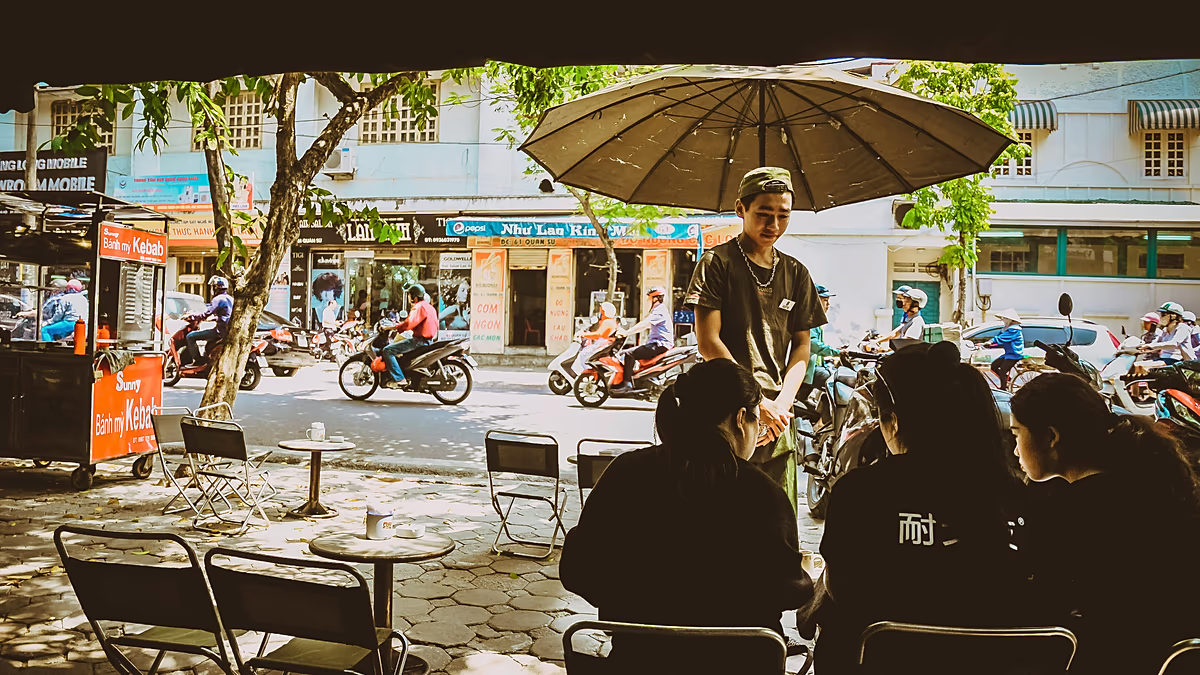
Similar to Bangkok but with its own distinct character, Hanoi presents an excellent option for micro-retirees who wish to incorporate freelance or remote work into their extended break. The Vietnamese capital stands out for its walkable districts, relatively pleasant climate (thanks to its numerous lakes), exceptional affordability, and robust digital infrastructure that supports remote work. The city’s rich historical tapestry, woven from Southeast Asian traditions and French colonial influences, creates a uniquely atmospheric setting. Travelers can explore the labyrinthine streets of the Old Quarter, take contemplative boat rides on West Lake, or visit cultural landmarks like Tran Quoc Pagoda and Quan Thanh Temple. History enthusiasts will appreciate sites like Hoa Lo Prison and the Vietnam Museum of Ethnology. Hanoi’s culinary scene offers iconic dishes including pho, bun cha, and the distinctive egg coffee. For a truly memorable experience, visitors can enjoy refreshments at cafés along the famous Train Street, where establishments line an active railway. First-time visitors often choose accommodations in the historic Old Quarter, while those seeking more refined surroundings gravitate toward the French Quarter with its elegant architecture and proximity to Hoan Kiem Lake. Like Bangkok, Hanoi offers an approachable environment for newcomers, with a supportive expat community and active social media groups that facilitate connections and information exchange.
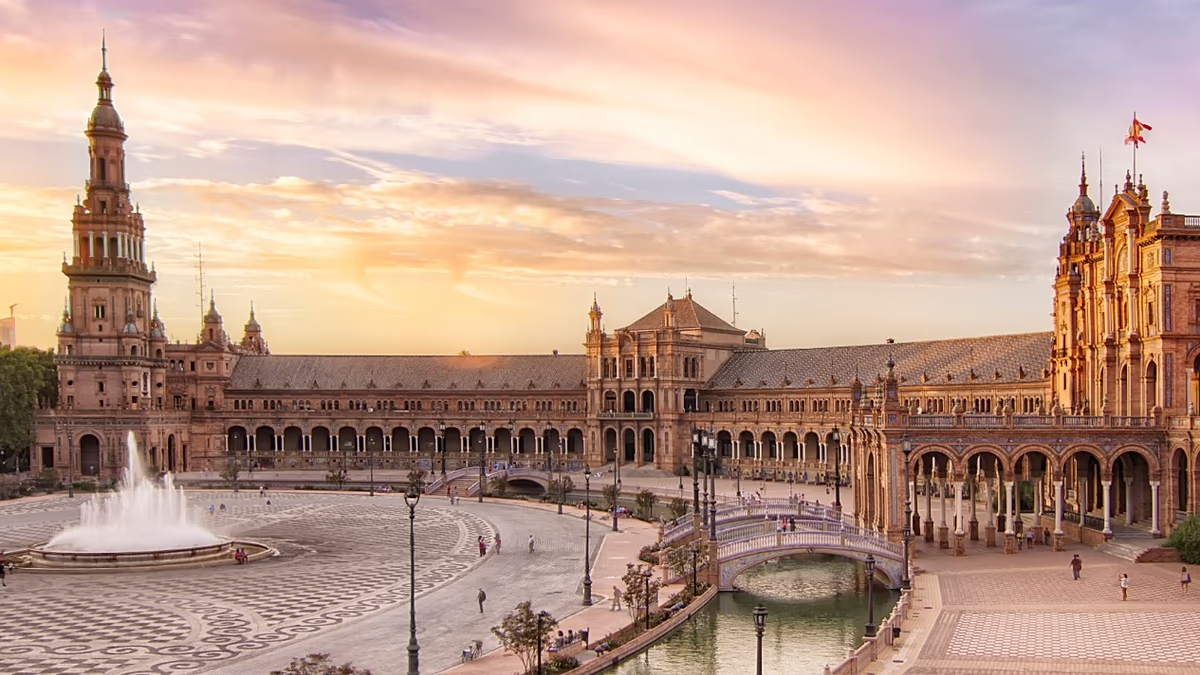
For micro-retirees preferring a European base, Lisbon and Budapest offer compelling alternatives that combine rich culture with relative affordability. Portugal’s capital appeals with its sunny Mediterranean climate, walkable neighborhoods, excellent public transportation, and high safety ratings. While more expensive than Southeast Asian options, Lisbon remains significantly more affordable than other major European cities like London or Paris. The city’s historic districts – Alfama and Belém – contrast beautifully with the more contemporary energy of Baixa and Bairro Alto. Visitors can gain picturesque city views from the iconic 28E tram, explore St. George’s Castle, or enjoy the innovative LX Factory complex. Local delicacies like bifana sandwiches and pastéis de nata provide delicious cultural immersion. Meanwhile, Budapest offers similar advantages with its stunning architecture along the Danube River. The Hungarian capital combines reasonable living costs with exceptional public amenities, including its famous thermal baths like Széchenyi and Rudas. Cultural highlights include Buda Castle, the Hungarian Parliament Building, and the atmospheric ruin bars of the Jewish Quarter. Both cities provide excellent gateways to explore broader European regions while offering the comfort of English-speaking communities and high-quality healthcare services essential for extended stays.
For those seeking truly distinctive micro-retirement experiences, Tashkent in Uzbekistan represents an emerging destination that combines Silk Road heritage with modern amenities. This Central Asian capital offers exceptional value while providing a fascinating cultural landscape far removed from typical tourist circuits. Unlike more established destinations, Tashkent presents a unique blend of ancient traditions and Soviet-influenced modernism, creating an environment ideal for reflection and creative inspiration. The city balances historic sites like the Hazrati Imam Complex and Chorsu Bazaar with contemporary developments such as Tashkent City Park. Culinary explorers can savor authentic Uzbek specialties including plov (pilaf), shashlik (kebabs), and the distinctive round non bread. While less familiar to Western travelers than other destinations on this list, Tashkent offers a safe, welcoming environment with adequate digital infrastructure and a refreshingly unhurried pace of life. For micro-retirees seeking genuine cultural immersion and the opportunity to reset perspectives completely, this Central Asian gem provides a compelling alternative to more conventional choices. Whether you choose bustling Bangkok, atmospheric Hanoi, historic European capitals, or emerging destinations like Tashkent, the micro-retirement movement reflects a profound reconsideration of work-life integration. By intentionally creating space for extended travel and personal growth throughout their careers, younger generations are crafting a more balanced approach to professional achievement and personal fulfillment.