






The Burden of Viral Fame: How Small European Villages Are Fighting Back Against Overtourism
In an age where a single Instagram post can transform a sleepy village into tomorrow’s tourism hotspot, communities across Europe are grappling with an unexpected problem: too much attention. Picturesque locations that once welcomed visitors now find themselves overwhelmed by crowds seeking the perfect photo or a brush with movie magic. The consequences are far-reaching—gridlocked streets, vanishing local culture, and increasingly frustrated residents who feel like extras in their own homes. From Austria’s fairytale lake village to England’s “Harry Potter station,” these once-peaceful communities are experiencing the dark side of viral fame. As overtourism reshapes these cultural treasures, locals are fighting to reclaim their homes and preserve their way of life against the relentless tide of visitors.
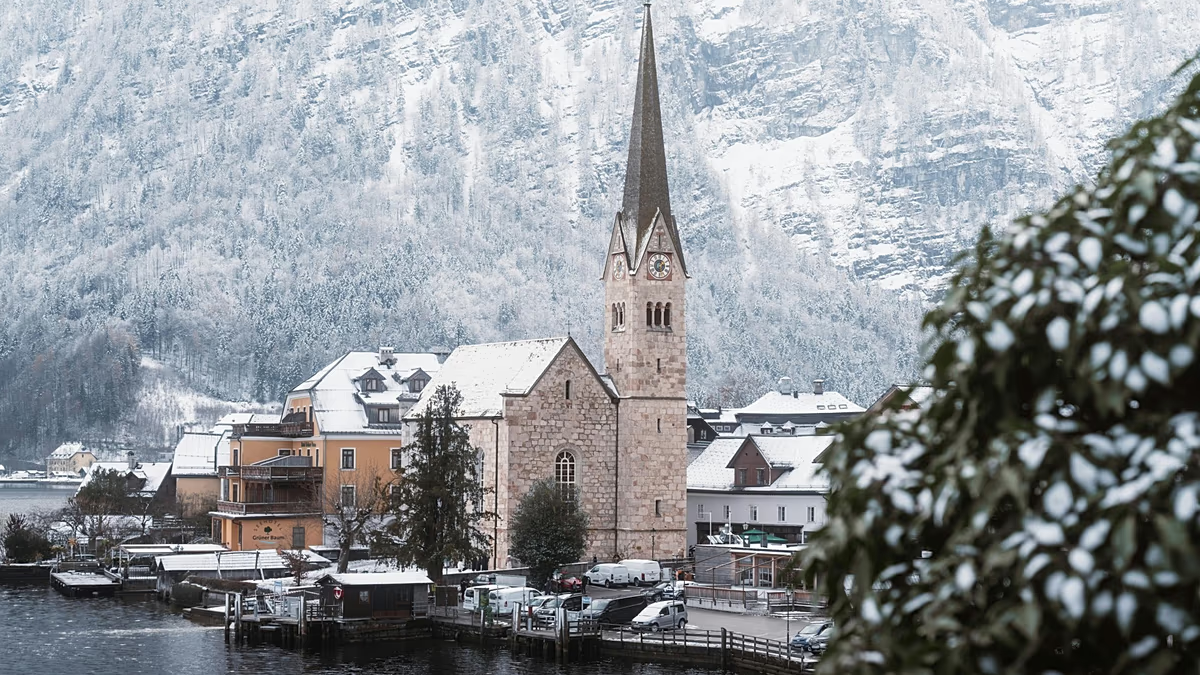
The Alpine village of Hallstatt, Austria exemplifies this struggle most dramatically. Nestled beside a pristine lake and surrounded by snow-capped mountains, this UNESCO World Heritage Site has become a victim of its own beauty—especially after rumors spread that it inspired Disney’s Kingdom of Arendelle in “Frozen.” With a tiny permanent population of just 700-800 residents, the village now endures up to 10,000 tourists daily, many arriving on tour buses for nothing more than a quick photograph. The strain on daily life has become unbearable: crowds block walkways, visitors trespass on private property for photos, and the constant noise has shattered the Alpine tranquility that once defined Hallstatt. Residents have responded with increasingly desperate measures, from street protests to roadblocks. Even the mayor has been forced to erect barriers at popular viewpoints and implement caps on vehicles, though these restrictions are frequently overwhelmed. For Hallstatt’s residents, their home has been transformed into a real-world theme park where they’re unwilling participants.
Similar pressures plague Mont-Saint-Michel, the medieval island commune in Normandy that rises dramatically from France’s northern coast. Another UNESCO site, this historic marvel with its abbey perched atop a rocky outcrop has attracted pilgrims for centuries—but now faces a different kind of devotion. Approximately three million visitors annually flood its narrow medieval streets, a surge partly fueled by its appearance in the popular Netflix series “Lupin.” The island’s infrastructure groans under the pressure: shuttle buses become gridlocked, historic structures suffer accelerated damage, and the proliferation of souvenir shops has created what many describe as a “theme park atmosphere” that diminishes the site’s spiritual and historical significance. French authorities are considering drastic measures including booking systems, visitor caps, and turnstiles—interventions that would have been unthinkable for a pilgrimage site just decades ago. Meanwhile, tourists are increasingly encouraged to visit during off-peak hours or seasons, with incentives like cheaper parking aimed at spreading the human tide more evenly throughout the year.
The Netherlands’ Kinderdijk presents perhaps the most extreme imbalance between residents and visitors. Known worldwide for its 18th-century windmills, this tiny village of just 60 permanent residents somehow accommodates 600,000 visitors annually, with many arriving via cruise ships. The intrusion into daily life has become intolerable, with residents reporting visitors asking them to move for photos, entering private gardens without permission, and treating homes as mere backdrops for social media content. The situation has created tension between preservation and livability—while tourism revenue is essential for maintaining the historic windmills, the Kinderdijk World Heritage Foundation’s plans to increase cruise ship docks have sparked significant backlash from locals who feel excluded from decisions about their own community. Residents have organized protests and launched creative campaigns like “polite postcards” reminding visitors of the human impact of overtourism. While authorities have banned tour buses from the village center, increased fines for violations, and required permits for drone photography to protect privacy, these measures barely address the fundamental imbalance of 10,000 visitors per resident annually.
Italy’s Pienza offers a different perspective on overtourism’s cultural impact. This Tuscan village, celebrated for its revolutionary Renaissance urban planning, now finds itself overwhelmed not by architecture enthusiasts but by visitors seeking its famous pecorino cheese. The transformation has been subtle but profound—traditional shops have gradually been replaced by tourist-oriented establishments selling cheese and souvenirs, leaving fewer businesses catering to residents’ daily needs like pharmacies and groceries. Even the local cuisine has been modified to appeal more to international palates, causing authentic regional dishes to fade from menus. Perhaps most poignantly, the village’s historic bell tower—which had marked the rhythm of local life for generations—now falls silent between 10 PM and 7 AM due to noise complaints, primarily from tourists seeking undisturbed sleep. Unlike Venice and Rome, which have implemented aggressive anti-overtourism measures, Pienza has yet to develop formal restrictions, leaving residents to adapt to a community increasingly shaped by outside expectations rather than local traditions.
The English village of Goathland rounds out this cautionary tale, demonstrating how pop culture can permanently alter a community’s character. This North Yorkshire hamlet skyrocketed to fame after its train station appeared as Hogsmeade Station in the first Harry Potter film, while the village itself served as the setting for the popular TV series “Heartbeat.” Decades later, visitors continue to arrive in numbers that overwhelm the village’s narrow streets and limited parking. The announcement of a new HBO Harry Potter series scheduled for 2027 has only intensified interest, suggesting the pressure will continue for years to come. Beyond the practical challenges of traffic and waste management, residents face a deeper issue: the gradual transformation of their community into a movie set backdrop. Village gathering spaces have become photo opportunities, shops have shifted to selling memorabilia rather than necessities, and natural areas show increasing signs of litter and erosion. While North Yorkshire Council has not yet implemented Goathland-specific restrictions, regional authorities are developing broader Destination Management Plans that aim to balance tourism’s economic benefits with its social and environmental costs. For Goathland’s residents, however, the immediate reality remains one of living in a village where visitors arrive not to experience authentic rural English life, but to capture a piece of fictional wizardry.