



The Magic of Ephemeral Ice Hotels: Winter’s Most Enchanting Escape
As winter’s icy grip takes hold across the northern hemisphere, a remarkable seasonal phenomenon returns: the ice hotel. Far beyond mere novelty accommodations, these frozen architectural wonders represent the perfect marriage of artistic vision, engineering ingenuity, and luxury hospitality. From the snowy expanses of Swedish Lapland to the alpine heights of Zermatt and the forests of Quebec, these stunning structures are meticulously crafted each winter, only to surrender to nature’s thaw come spring. This cycle of creation and dissolution makes a stay in an ice hotel not just a night’s accommodation, but a fleeting experience impossible to replicate.
What might initially sound like an exercise in discomfort—sleeping surrounded by ice in sub-zero temperatures—has evolved into a sophisticated luxury experience. Take ICEHOTEL 36 in northern Sweden, where 12 uniquely designed suites showcase frozen artistry that transforms sleeping quarters into immersive installations. Imagine drifting to sleep in a room where a complete library has been carved into ice walls, or beneath suspended ice spheres that appear to defy gravity. At Quebec’s Hôtel de Glace, guests move between themed suites, hot tubs, saunas, and multiple restaurants, cocktail in hand—served, naturally, in glasses carved from crystal-clear ice. Finnish Lapland’s Apukka Resort offers a different experience with their glass-roofed igloos, designed specifically for nighttime viewing of the Northern Lights dancing overhead, combining the ice hotel concept with unparalleled natural spectacle.
The creation of these frozen marvels begins months before guests arrive, in a process that combines traditional craftsmanship with modern technology. At ICEHOTEL, the journey starts during the previous winter when approximately 550 tons of ice are harvested from the Torne River and stored in a solar-powered hangar through the warmer months. Construction commences once temperatures reliably drop below freezing, typically in November, when teams of nearly 90 artists, builders, lighting designers, and engineers embark on a six-week creative marathon. They transform these frozen building blocks, along with tens of thousands of cubic meters of “snis”—a dense snow-ice mixture used for structural elements—into the 2,800-square-meter winter wonderland. What makes each ice hotel special is the artistic direction; every year brings a new theme, new artists (some veterans of ice sculpture, others complete novices), and entirely new designs, ensuring that each iteration is truly one-of-a-kind.
While the thought of sleeping on ice might seem daunting, the reality is surprisingly comfortable. Ice beds are topped with insulated mattresses and high-performance thermal sleeping bags capable of keeping occupants warm despite the interior temperatures hovering around -5°C (23°F). Practical considerations are thoughtfully addressed: bathrooms and changing areas are located in adjacent heated buildings, and guests receive specialized cold-weather clothing upon arrival. The hotels are designed to balance the otherworldly experience of sleeping within ice walls with the necessities of modern comfort. According to ICEHOTEL representatives, guests spend relatively little time in the cold, with most activities taking place in warm spaces, making the ice bedroom primarily a unique sleeping environment rather than a test of endurance.
The culinary experiences at these frozen retreats deserve special mention, as they often showcase the finest regional cuisine. ICEHOTEL’s restaurants serve four-course meals featuring local delicacies like reindeer, cloudberry, and salmon roe—some dishes presented on plates made of clarified ice. At Hôtel de Glace, multiple dining venues offer varied experiences, while Iglu-Dorf Zermatt, perched at 2,700 meters in the Swiss Alps, specializes in traditional alpine fare like fondue, enjoyed in communal snow-carved dining halls. These gastronomic offerings transform what might otherwise be merely a novel overnight stay into a complete sensory journey through the culture and flavors of these northern regions.
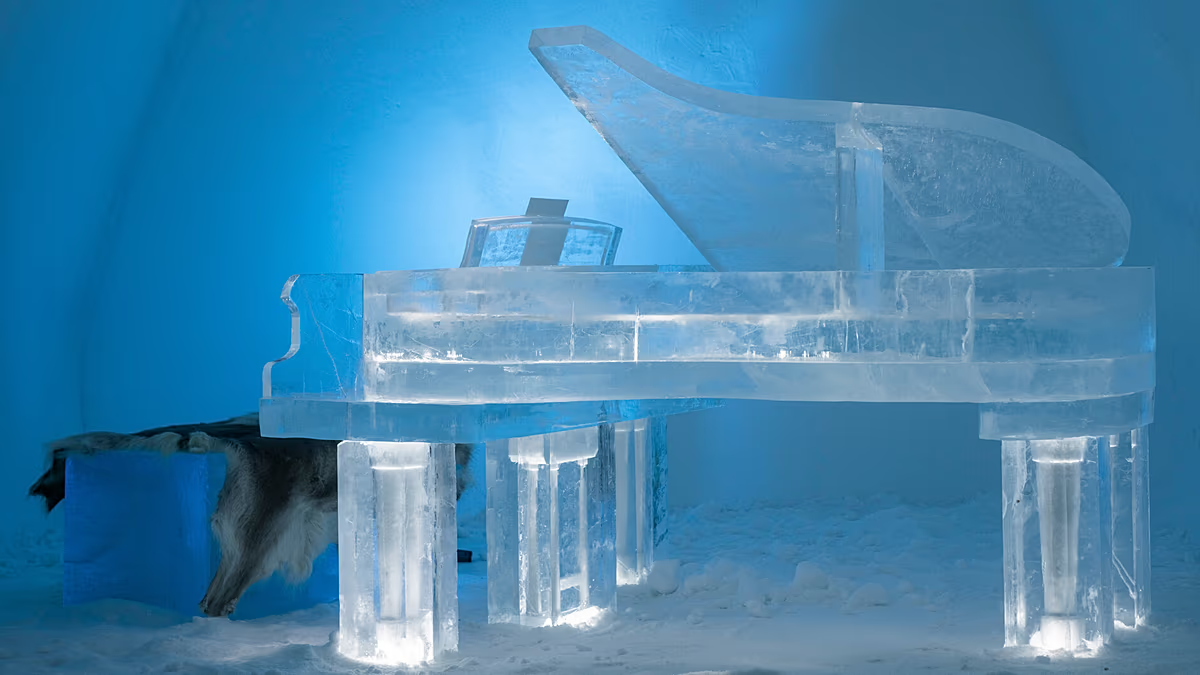
For travelers willing to embrace this extraordinary experience, options span across the northern hemisphere, though the privilege comes at a premium. Nightly rates typically start around €400-600 for two people, reflecting both the exclusivity and the ephemeral nature of these structures. Sweden’s ICEHOTEL in Jukkasjärvi stands as perhaps the most famous, featuring not just artistic suites but galleries and even a playable grand piano carved entirely from ice this season. Switzerland’s Iglu-Dorf Zermatt offers a unique alpine perspective, with hand-carved igloos connected by snow corridors high above the car-free resort village. Finland’s Apukka Resort provides versatility with accommodations ranging from glass igloos to larger villas capable of hosting extended families or groups. Quebec’s Hôtel de Glace combines North American accessibility with European-inspired ice architecture across its 45 themed rooms and suites. Each destination offers its own interpretation of the ice hotel concept, united by their temporary existence and the promise of an experience that quite literally cannot be repeated—next year’s creation will be entirely new, and this year’s masterpiece will have returned to the rivers and ground from which it came.