





The Hiking Paradox: Popularity vs. Preservation in a Changing World
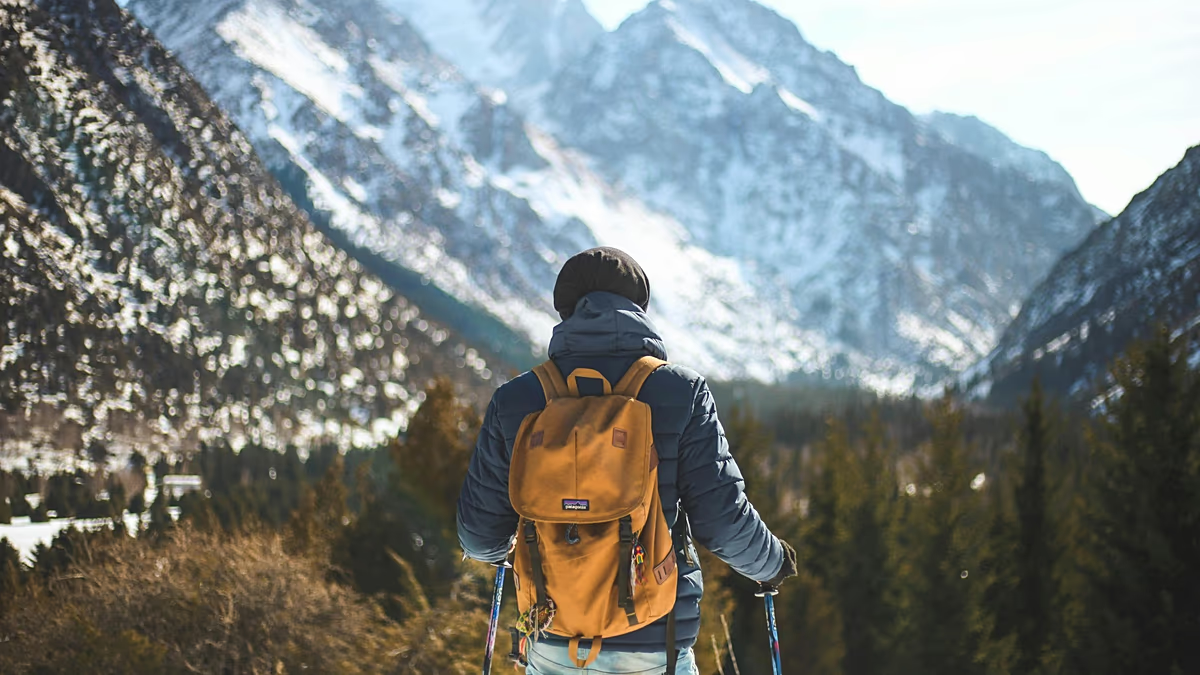
In recent years, hiking trails have experienced an unprecedented surge in popularity, becoming one of the most sought-after tourist attractions globally. This outdoor activity appeals to travelers seeking authentic experiences, slower-paced adventures, and natural escapes from urban heat and routine life. From Portugal’s record-breaking circular route to Italy’s romantic Path of Love, new trails are continuously being developed to meet this growing demand. However, this hiking boom has created a paradox: as more people discover the joys of trail exploration, the very environments they come to experience face mounting threats from both human activity and climate change.
The climate crisis has dramatically altered the safety landscape of many beloved hiking destinations, particularly in mountainous regions. The European Alps have become emblematic of this challenge, with numerous trails temporarily closed last summer due to dangerous rockfalls and landslides. In northern Italy’s Brenta Dolomites, hundreds of hikers were evacuated from Cima Falkner as thawing permafrost destabilized the terrain. Piero Carlesi of the Italian Alpine Club described an “incredible increase in rockfalls” directly linked to climate change. Similarly, Switzerland saw over 70 routes closed well into autumn, spanning from the Lower Engadine to the French border. Swiss hiking authorities point to a perfect storm of environmental factors: drier summers, heavier rainfall events, hotter days, and diminished winter snowfall have collectively elevated risks to hikers. These conditions create a dangerous cycle where prolonged intense precipitation triggers rockfalls and landslides, while thawing permafrost in alpine terrain further destabilizes once-reliable paths.
Beyond climate-induced hazards, the sheer volume of hikers is straining natural environments worldwide, prompting authorities to implement restrictive measures. Indonesia’s Mount Rinjani National Park on Lombok island made the dramatic decision to close all hiking trails until March 2026. While safety concerns during rainy seasons played a role in this decision, park head Budhy Kurniawan emphasized that the closure primarily aims to give the mountain’s ecosystem “a chance to recover,” allowing flora to regenerate and native wildlife to resettle. This extended closure reflects a growing recognition that natural environments require significant recovery time from human presence, especially when visitation reaches unprecedented levels. The pressure from increased foot traffic manifests in soil erosion, vegetation damage, wildlife displacement, and accumulated waste along trails—issues that cannot be resolved without meaningful intervention and recovery periods.
Japan’s iconic Mount Fuji exemplifies how destinations are balancing access with conservation through financial mechanisms. Facing severe overtourism resulting in pollution and safety hazards, authorities doubled the hiking fee on the popular Yoshida trail to ¥4,000 (approximately €24.70) and extended similar charges to three previously free routes. Additionally, they implemented a daily limit of 4,000 hikers on the Yoshida trail to manage congestion. These measures represent a growing trend where natural attractions must adopt urban crowd management techniques to remain sustainable. The fees serve dual purposes: deterring casual visitors while generating revenue for environmental restoration and trail maintenance. Mount Fuji’s approach demonstrates how iconic natural landmarks increasingly require structured management systems similar to those used at human-made attractions to remain viable for future generations.
European destinations, particularly those offering relief from summer heat, have likewise implemented measures to counter the influx of hikers. Portugal’s Madeira archipelago, with its dramatic landscapes featuring steep peaks, verdant forests and lush waterfalls, introduced a non-resident fee for its most popular hiking routes. Initially applied to seven high-traffic paths, authorities expanded the surcharge to all recommended trails beginning January 2025. These funds directly support trail maintenance, cleaning operations, and environmental preservation efforts. The archipelago’s proactive approach acknowledges that without sustainable management frameworks, the natural beauty attracting visitors will inevitably degrade. By institutionalizing visitor contributions to conservation, Madeira aims to preserve both its tourism economy and natural heritage for generations to come.
The tension between local communities, visitors, and conservation creates complex social dynamics around popular trails. In Italy’s Dolomites, the Seceda mountain trail has become ground zero for overtourism conflicts. Local farmers, frustrated by continuous tourist traffic and environmental disregard, briefly installed a makeshift toll booth on the Odle trail in protest. Their grievances—abandoned paths and litter-strewn meadows—highlight how hiking’s popularity creates friction between stakeholders with different priorities. The farmers argued that charging visitors was necessary to compensate for damage to their land and fund slope maintenance. This grassroots action reflects a broader phenomenon where local communities, feeling overwhelmed by tourism’s negative impacts and inadequately supported by official management strategies, take matters into their own hands. Such conflicts underscore that sustainable hiking tourism requires balancing ecological considerations with both visitor expectations and community needs—a delicate equilibrium that remains elusive in many destinations. As hiking continues to grow in popularity, finding this balance will become increasingly essential to preserve the natural wonders that draw people to trails in the first place.